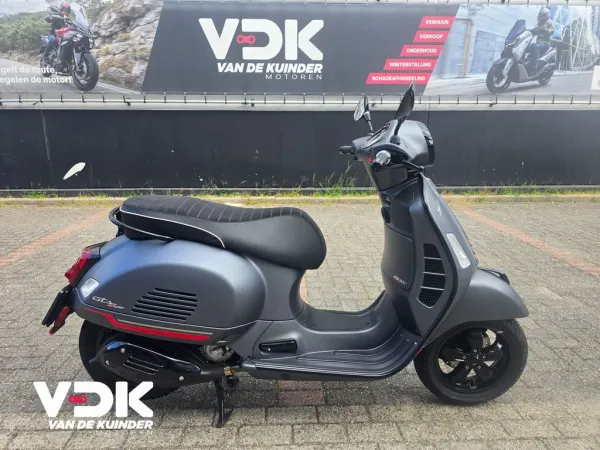
Vespa GTS 300
ViaBOVAG.nlMotorOccasion.nlAutoScout24.nlMarktplaats.nl


Vespa
GTS 300
Scooter · 278 cc
See typical prices, price changes and important differences.
Choose the model year and mileage for a focused comparison.
Based on asking prices, not sale prices. Trim, condition, maintenance and warranty still matter.
Based on price data from 5 of the past 12 months.
Used prices have held steady since May 2026.
Quick reference values. Model year, generation and trim can differ.
Displacement
278 cc
Power
23 hp · 17 kW
Torque
26 Nm
Category
Scooter
Models in the same category and price range to consider alongside the GTS 300.
Features and handling differ by generation. Use this overview to find the right version.
Years
2019 - present
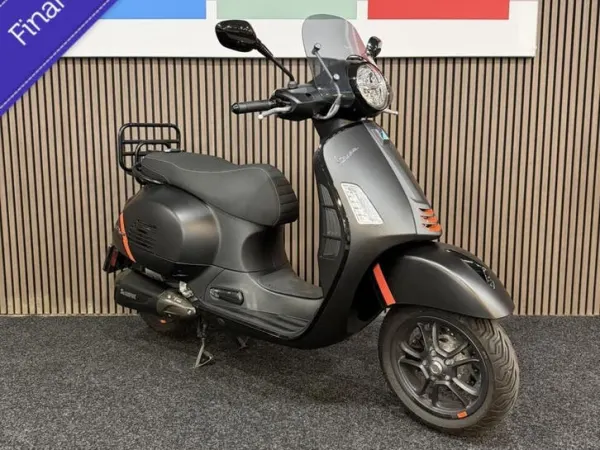
The HPE version is the newer GTS 300 with a more powerful and efficient 278 cc engine. Identify it by the HPE badge and current equipment; it combines motorway pace with the classic steel Vespa body.
Years
2016 - 2018
The Euro 4 update adds ABS and traction control to the GTS 300. The 278 cc single remains the basis, while added safety equipment and refinement make it a strong daily-use choice.
Years
2008 - 2015
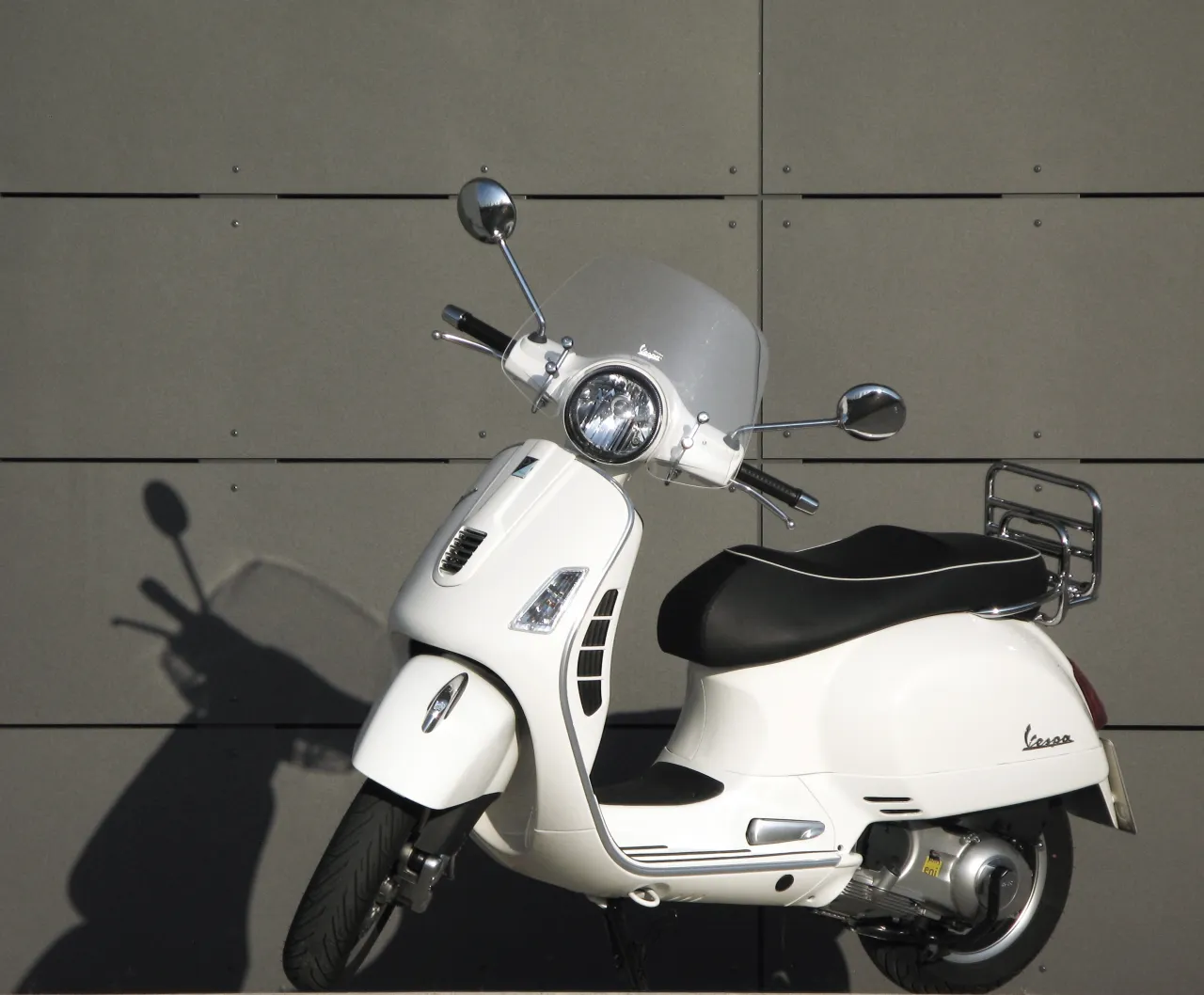
The first GTS 300 uses the 278 cc Quasar engine and is the classically styled fast Vespa for commuting and touring. Check CVT and charging-system maintenance; it predates the later electronic updates.
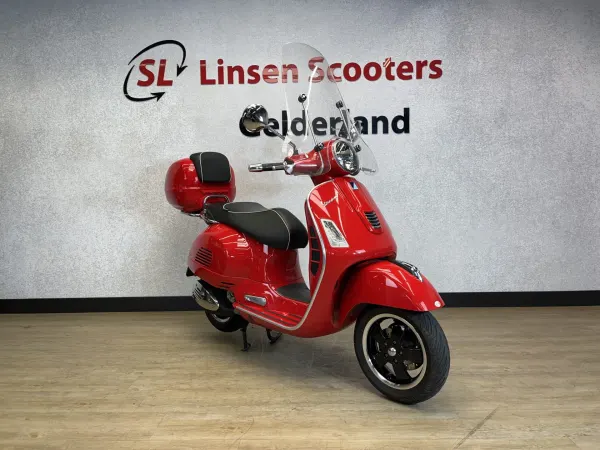
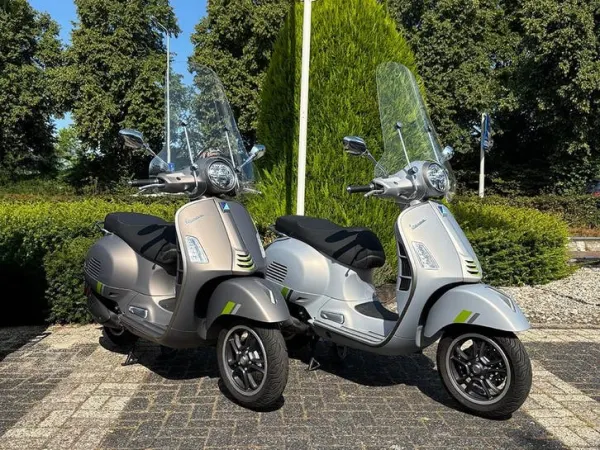
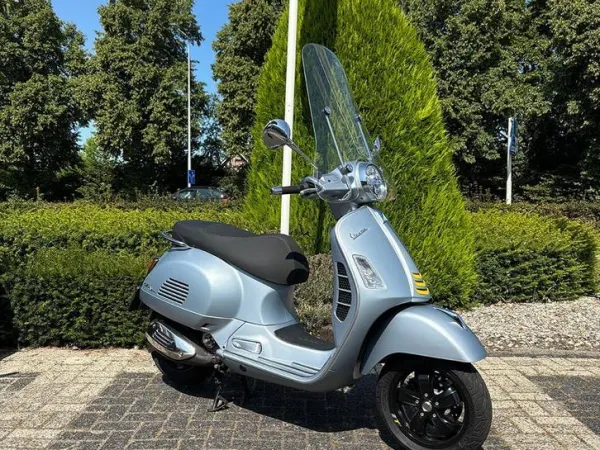
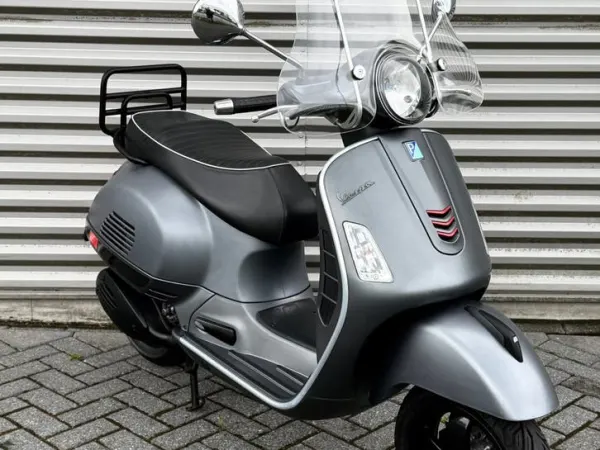
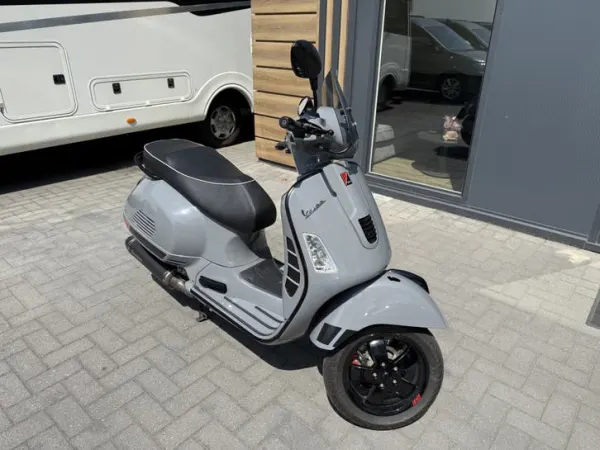
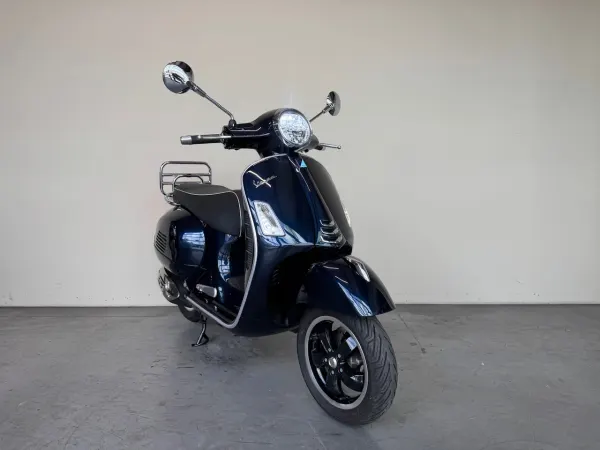
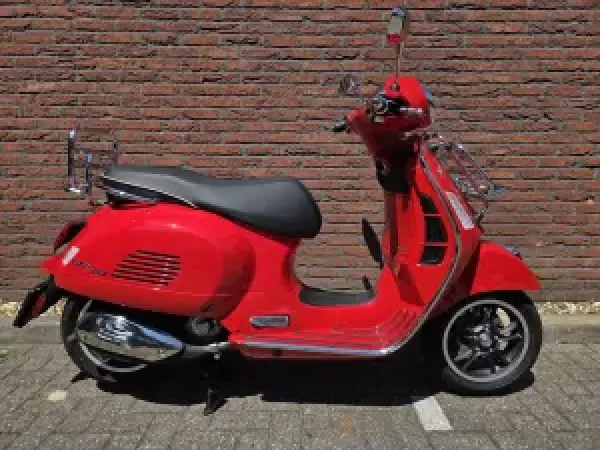
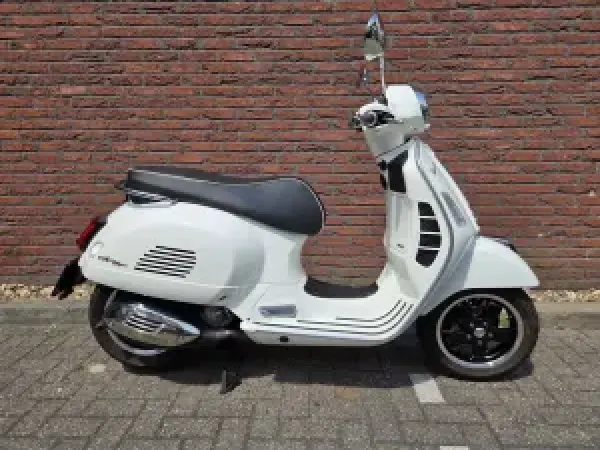
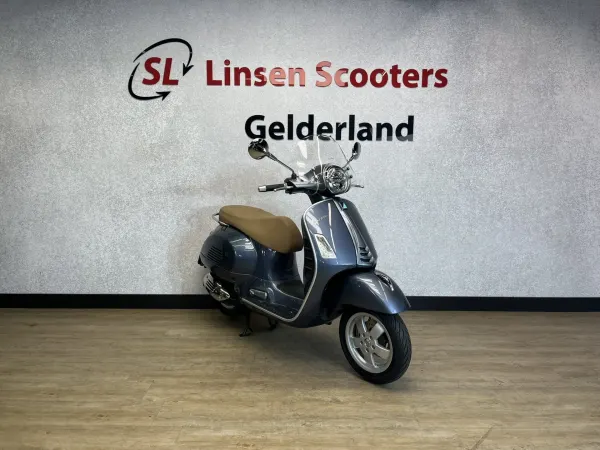
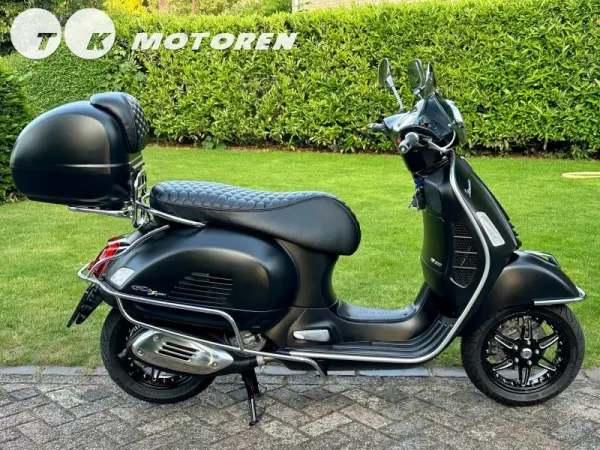
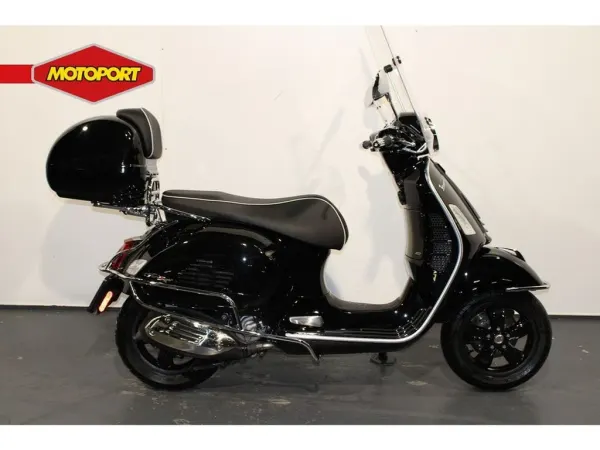
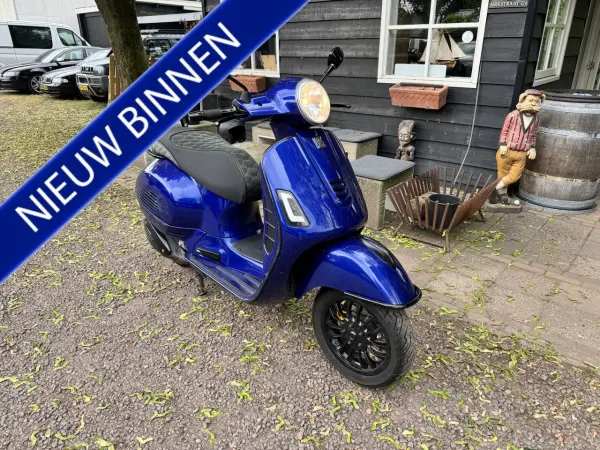
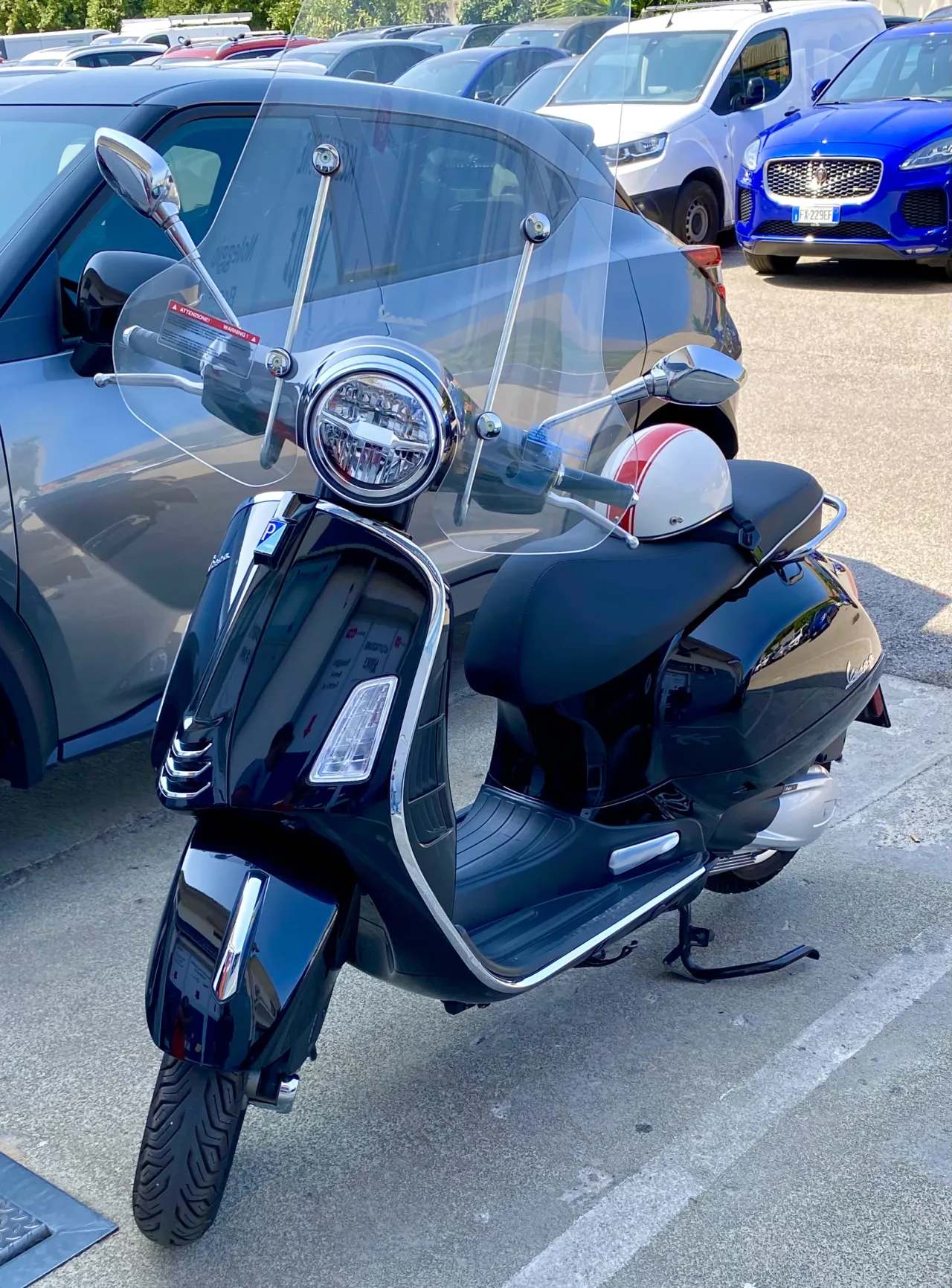
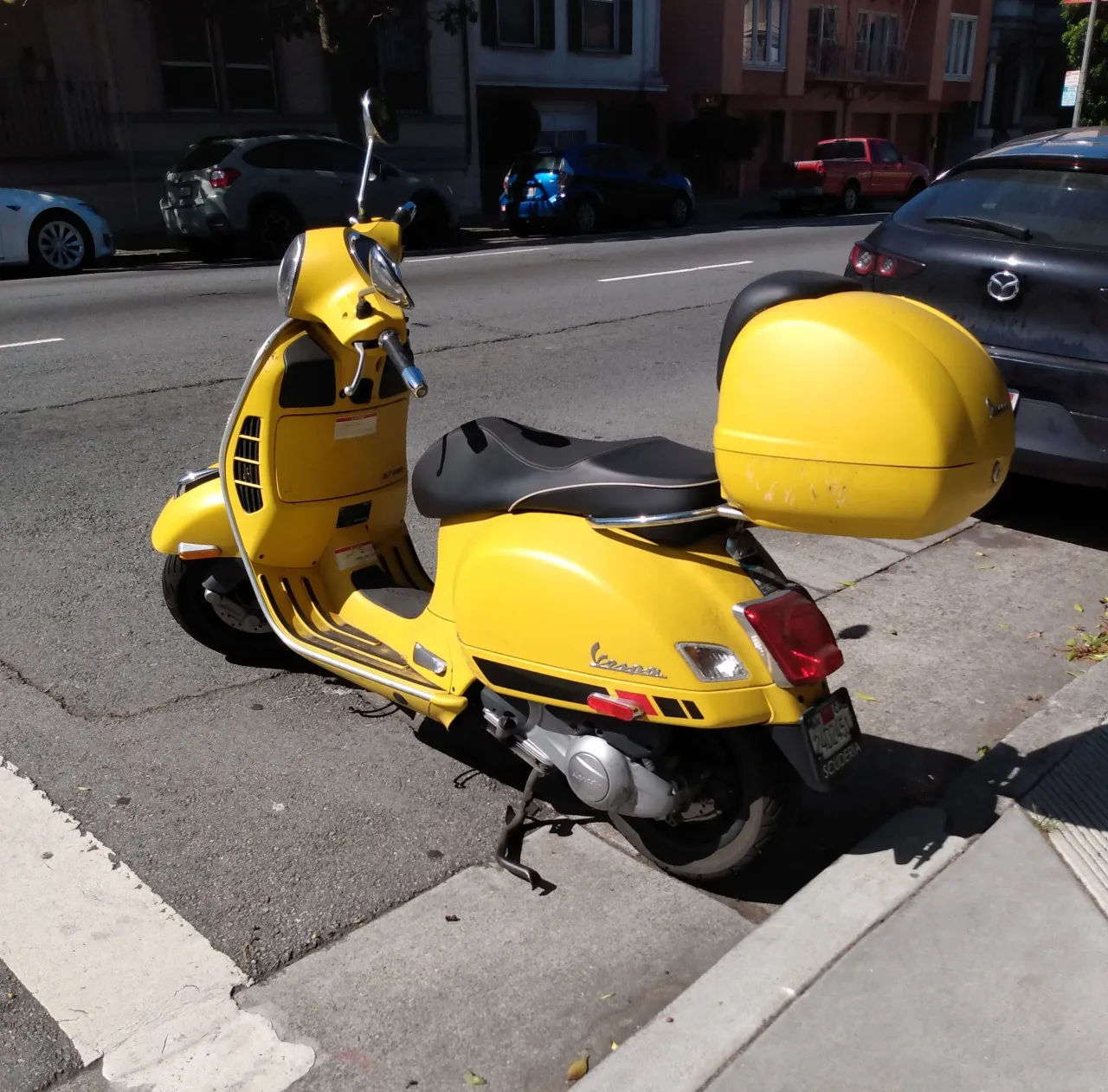
The Vespa GTS 300 is the flagship of Piaggio's large-frame GTS line and has been the sportiest big-bodied Vespa since 2008. It keeps the pressed-steel monocoque body the brand has used since 1946 and pairs it with a fuel-injected single-cylinder four-stroke (the HPE/i-get unit on recent years), ABS and traction control. The 300 is the only Vespa that comfortably cruises Dutch motorways at 120 km/h, while still being light enough to filter through city traffic.
The GTS 300 targets riders who care about styling and resale as much as performance. The upright seating position, flat floorboard and padded dual seat make it a relaxed daily commuter and weekend tourer for two. Direct competitors are the Honda SH300i, Yamaha Xmax 300 and Piaggio Beverly 300. Against those rivals the Vespa offers stronger brand cachet, better paint and trim and excellent residual values, in exchange for slightly less underseat storage and a softer top end.
A used Vespa GTS 300 costs €5,500 on average. Most cost €3,380 to €7,105. This is based on 99 motorcycles for sale now.
MotorMonitor now compares 99 used Vespa GTS 300 motorcycles from Dutch sales sites.
The average used Vespa GTS 300 is from 2020 and has done about 7,655 km.