Private seller
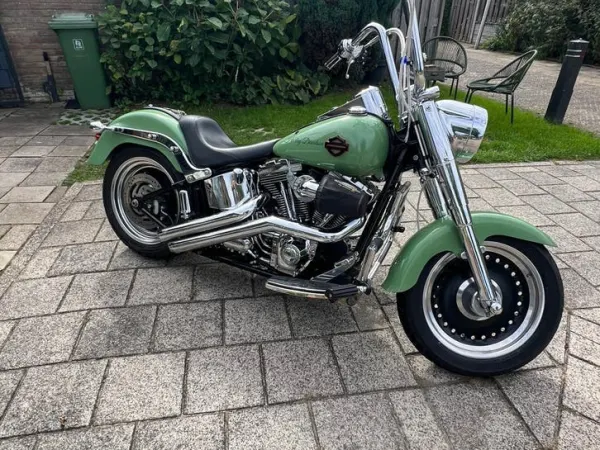
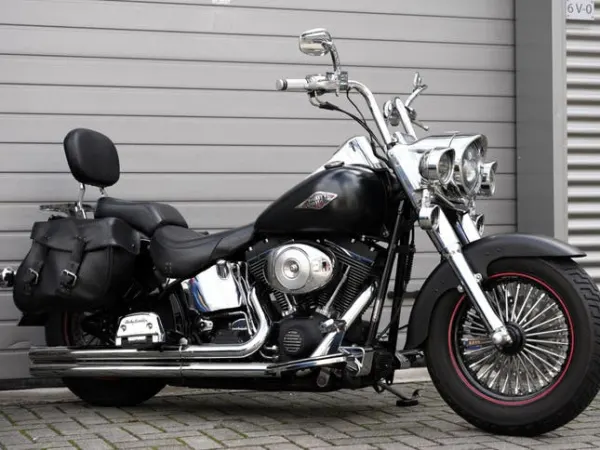
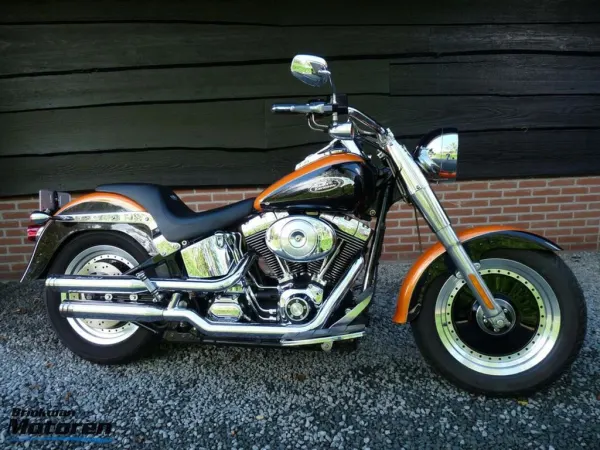
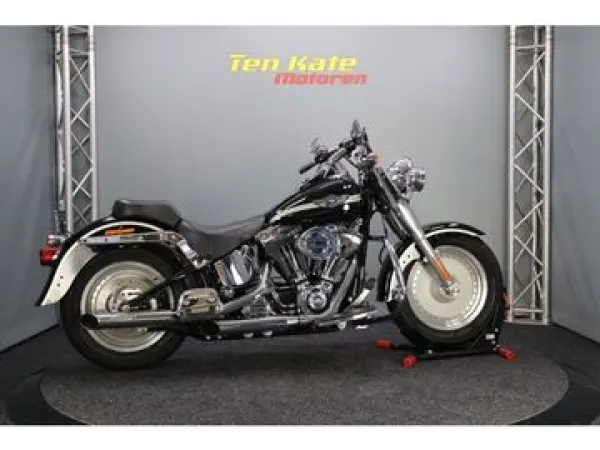
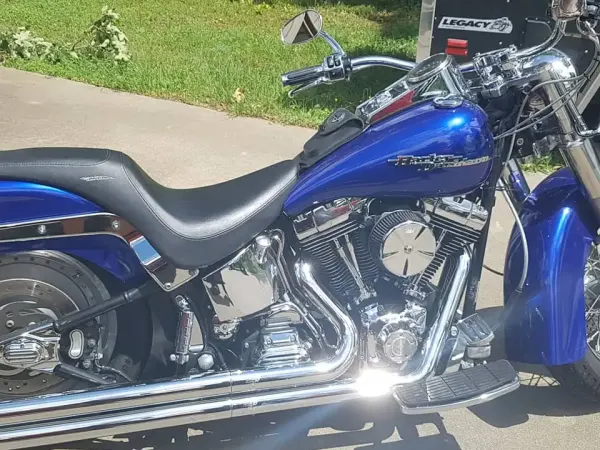
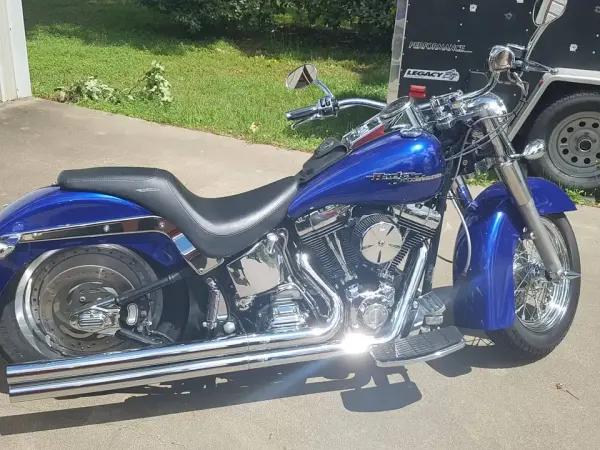
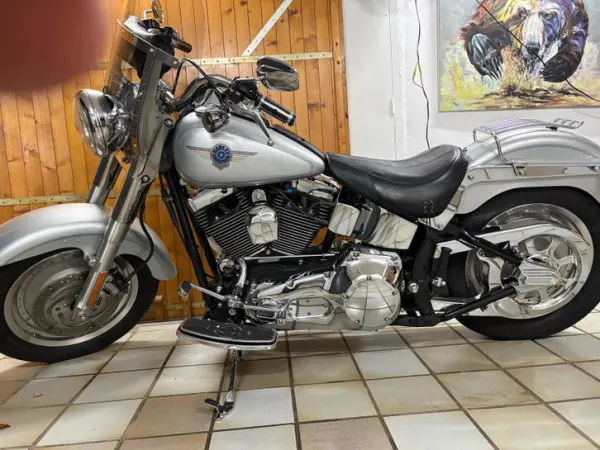
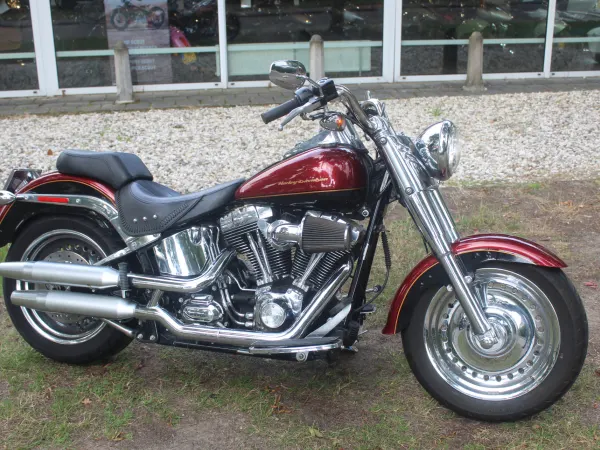
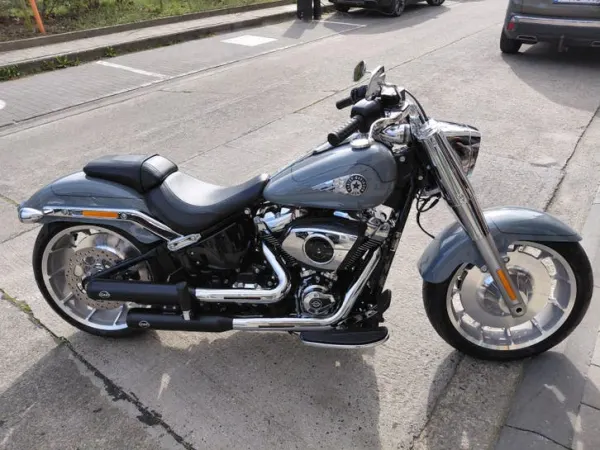
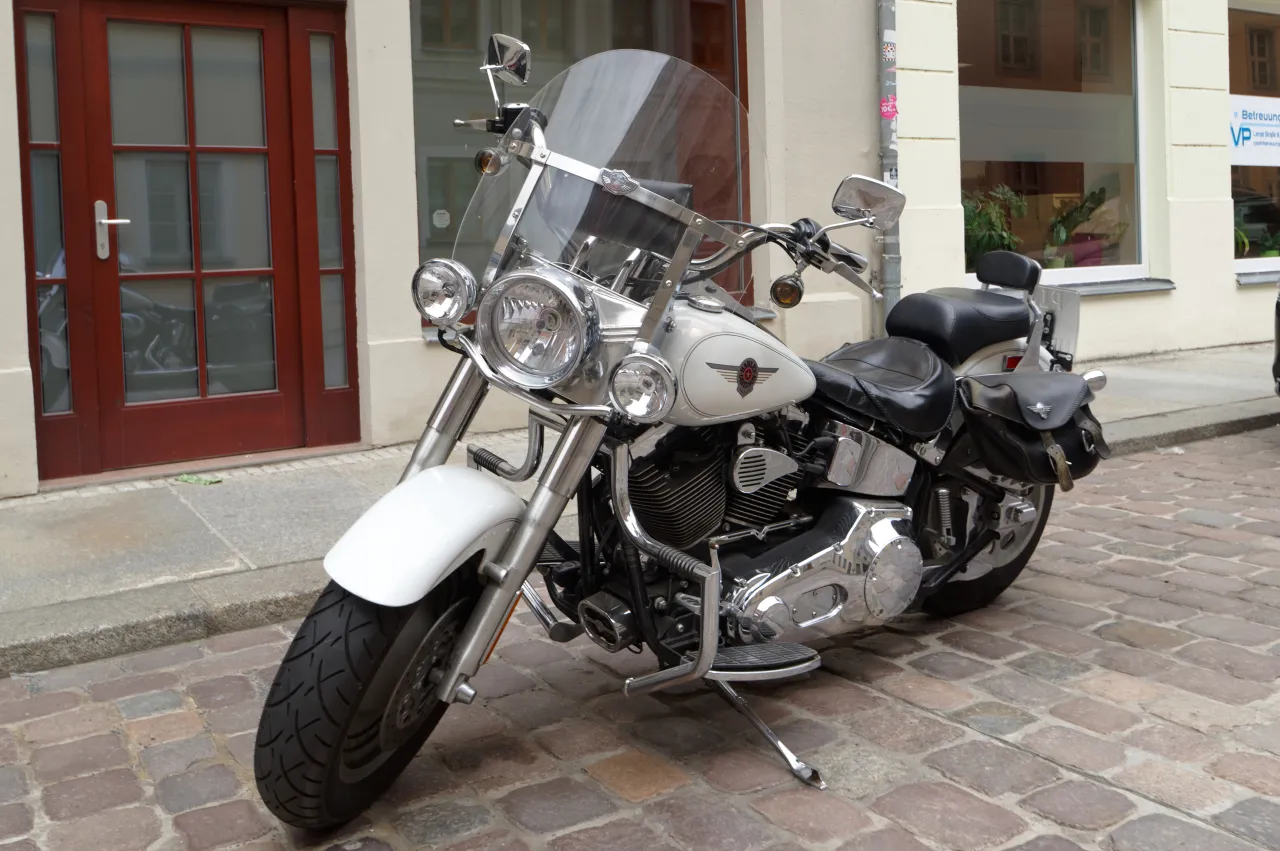
Harley-Davidson Fat Boy
Reserved
Mileage unknown
Vianen, UT - Strobbe
Marktplaats.nl
Harley Davidson
CruiserCompare 296 current Harley Davidson Fat Boy listings across different model years and sales channels.

Harley Davidson
Fat Boy
Cruiser · 1,745 cc
See the typical asking prices, how prices are changing and which differences between listings matter.
Choose the model year and mileage for a focused comparison.
Based on asking prices, not sale prices. Trim, condition, maintenance and warranty still matter.
Based on price data from 5 of the past 12 months.
Used prices are trending up: the typical asking price is €2,225 higher than in May 2026.
Quick reference values. Model year, generation and trim can differ.
Displacement
1,745 cc
Power
87 hp · 64 kW
Torque
150 Nm
Category
Cruiser
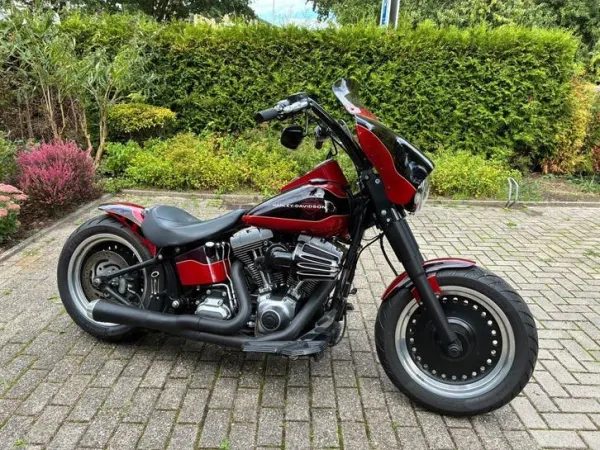
Groningen, GR - Brutus
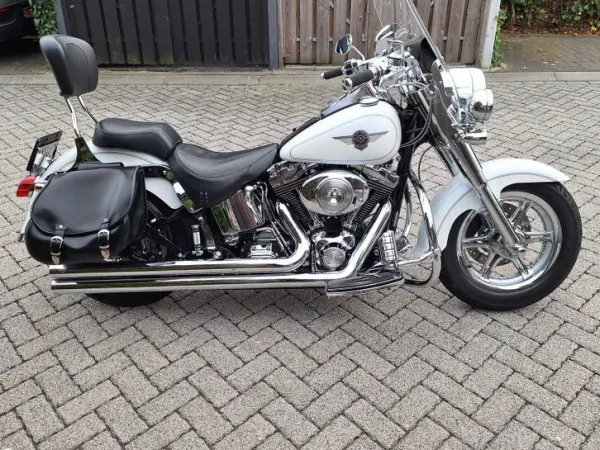
Dronten, FL - R. de Haas
Models in the same category and price range to consider alongside the Fat Boy.
Specs, riding character and visual clues can change sharply between generations. Use this overview to match listings to the right version.
Years
2018 - present
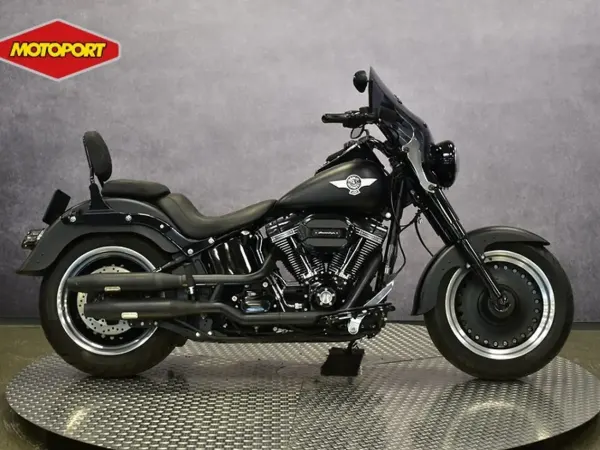
The FLFB Fat Boy with the 1745cc Milwaukee-Eight 107 sits on the new Softail frame with a concealed monoshock and rides noticeably lighter. The 107 is assigned only with 1745cc, 107 or an explicit FLFB reference, not just a year.
Years
2018 - present
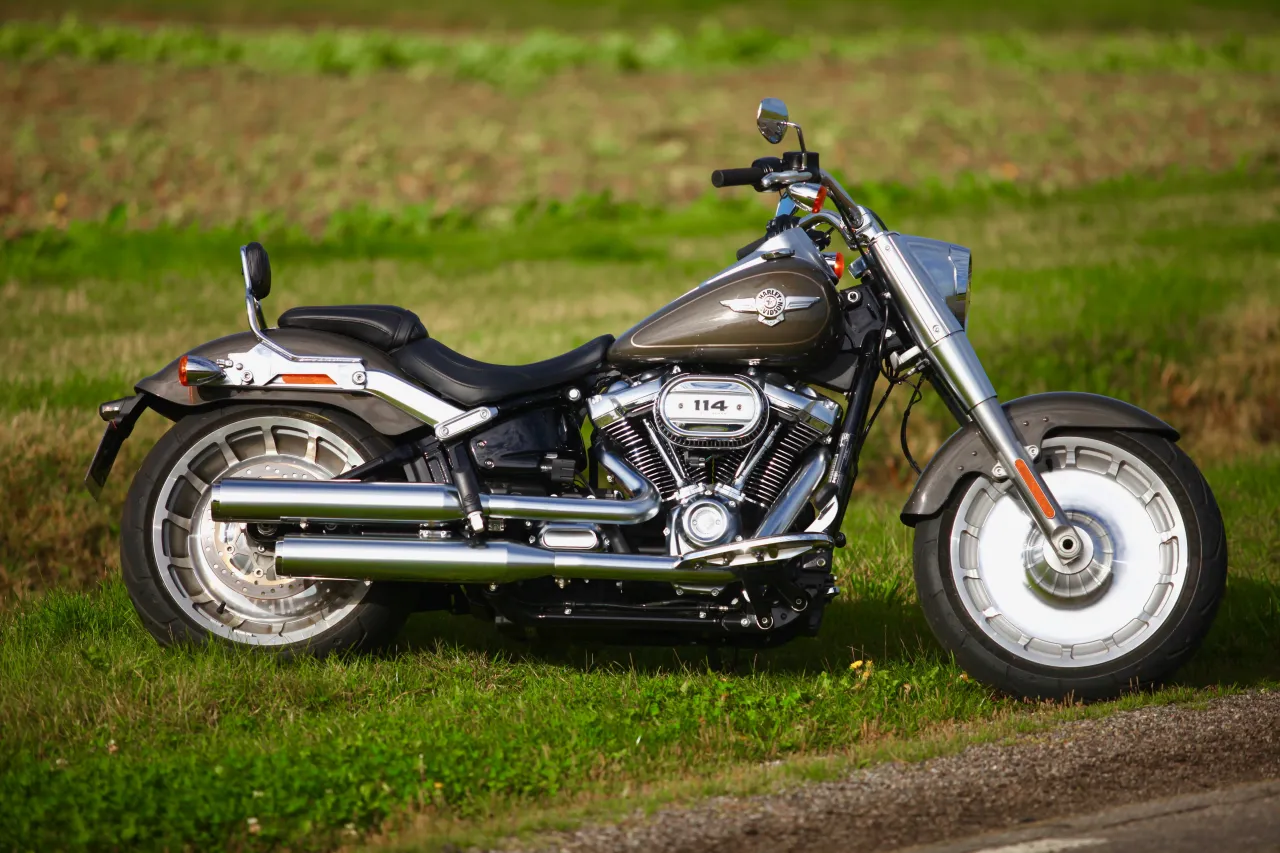
The FLFBS Fat Boy 114 uses the 1868cc Milwaukee-Eight with extra torque but shares the frame and distinctive fat tyres with the 107. It is assigned only when the source contains 1868cc, 114 or FLFBS.
Years
2012 - 2017
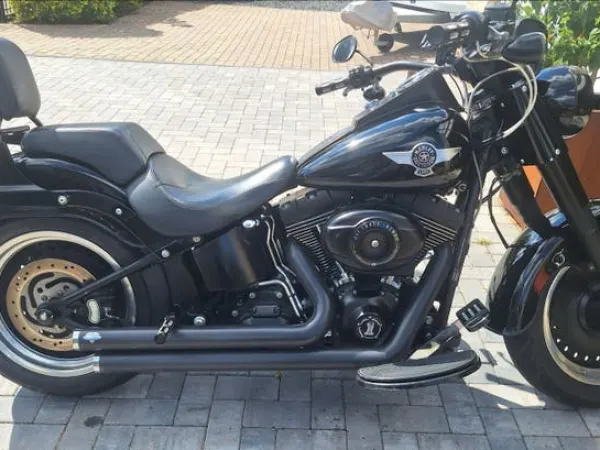
The final classic Fat Boy uses the 1690cc Twin Cam 103B with clearly stronger torque. It shares the heavy, low Softail layout of its predecessors; the lighter 2018-on bikes use an all-new frame.
Years
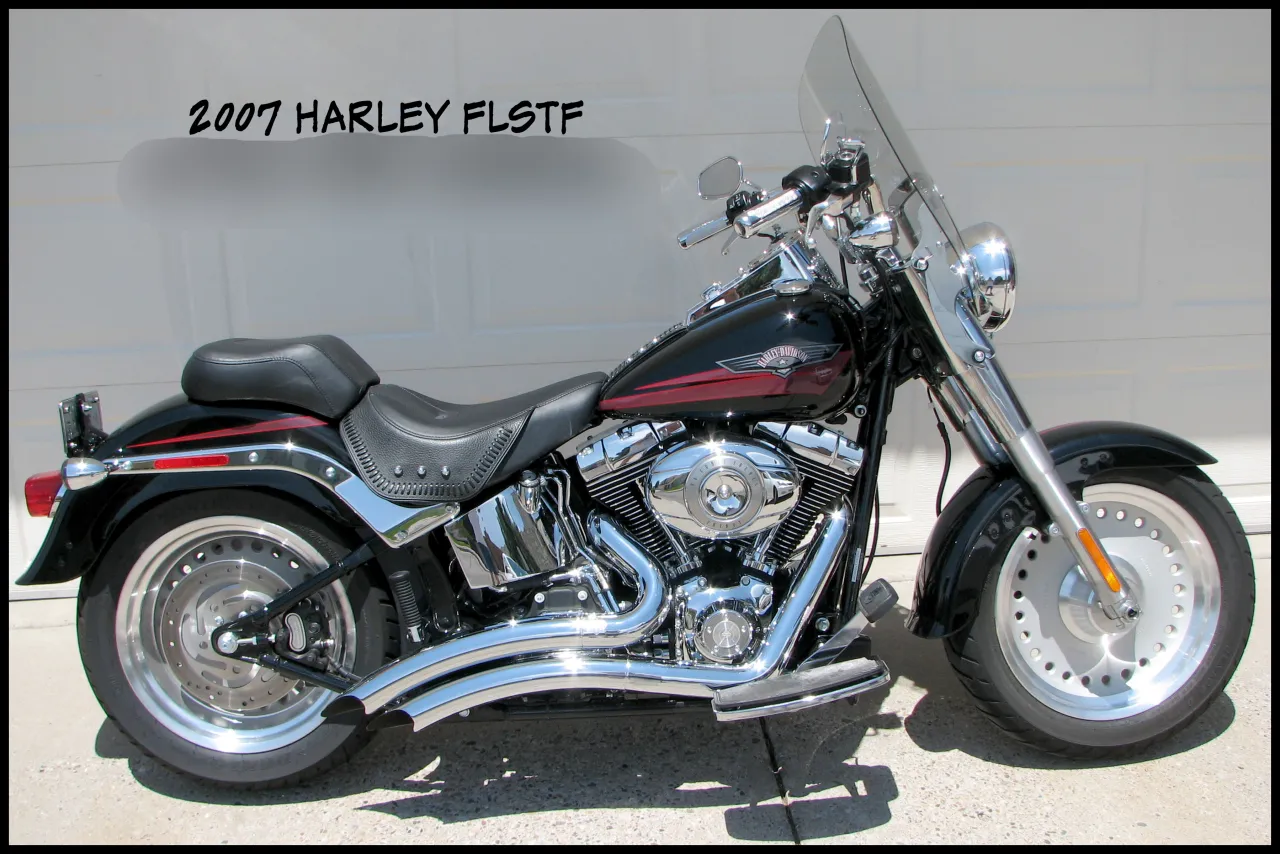
2007 - 2011
The 1584cc Twin Cam 96B combines injection and a six-speed gearbox with the older Softail design. It is the step between the 1450cc 88B and 1690cc 103B and should not be treated as one broad Twin Cam row.
Years
2000 - 2006
The Fat Boy gained the 1450cc Twin Cam 88B with balance shafts in the classic Softail frame. Sources sometimes incorrectly list 1690cc in these years; 1450/1449cc or Twin Cam 88B is the safe identifier.
Years
1990 - 1999
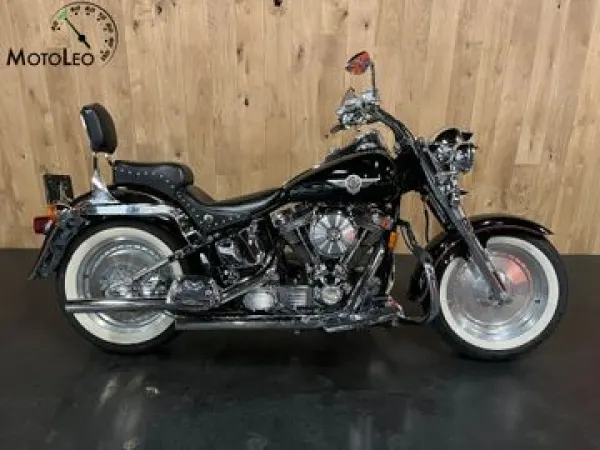
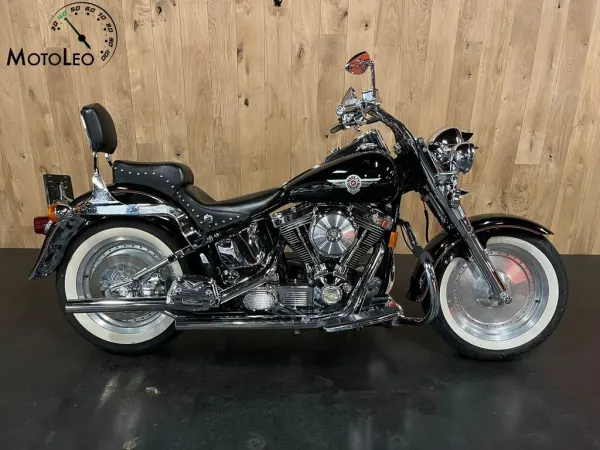
The original FLSTF Fat Boy combines solid disc wheels with the 1340cc Evolution V-twin and classic Softail frame. This is the recognisable carburetted generation; a later Twin Cam is not a mechanical evolution of the same engine.
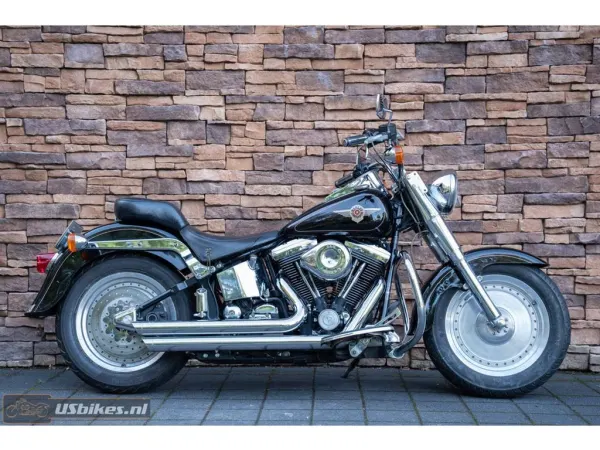
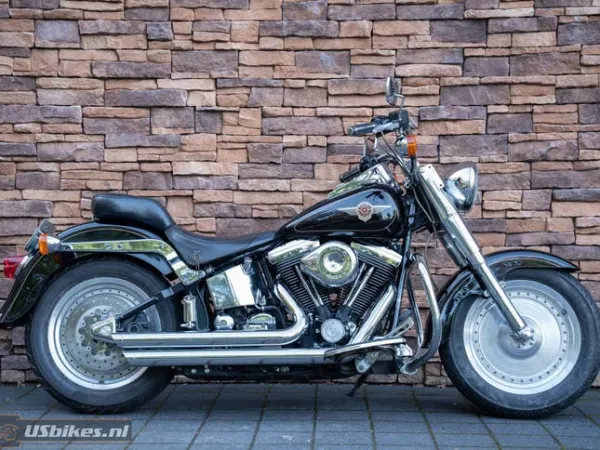
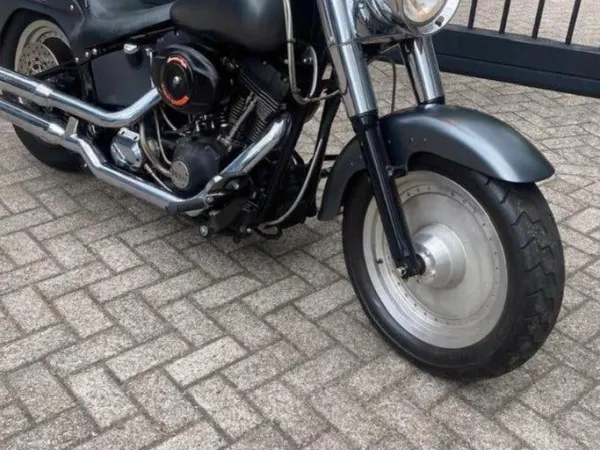
The Harley-Davidson Fat Boy has been the visual icon of the Softail family since its 1990 debut. Solid disc wheels, a wide front axle and a massive tank define the silhouette. The engine has evolved from the Evolution (until 1999), through the Twin Cam 88/96/103, to the current Milwaukee-Eight 107 or 114 with counterbalancers from 2018 onward. The Softail rear suspension is hidden under the frame, giving the bike its hardtail look while still offering modest travel.
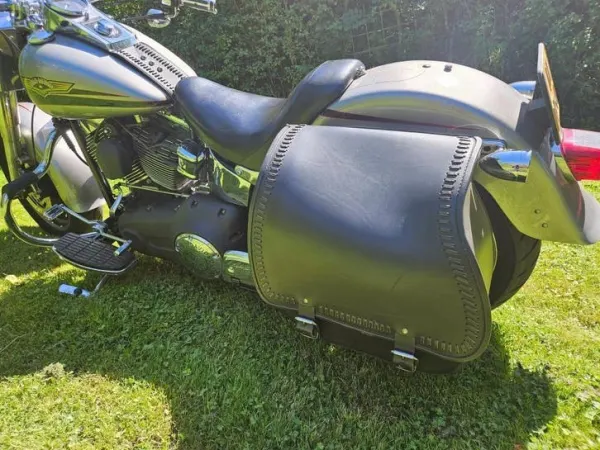
The Fat Boy targets the rider who wants to cruise relaxed rather than carve corners. Low seat height (around 690 mm) and a low center of gravity make it accessible to shorter riders, but the 310+ kg curb weight demands care at parking-lot speeds. Forward foot controls and a wide pullback bar produce a feet-out, arms-out posture. Direct rivals are the Indian Chief and Yamaha XV1900. From the factory it is pure styling rather than a tourer; most owners add a detachable screen and saddlebags before any longer trip.
A used Harley Davidson Fat Boy costs on average €12,950 on MotorMonitor. Most examples fall between €8,490 and €32,981, based on 296 motorcycles currently for sale.
MotorMonitor currently compares 296 used Harley Davidson Fat Boy motorcycles, gathered from several Dutch marketplaces and dealer sites.
The average used Harley Davidson Fat Boy is from 2006 and has around 24,140 km on the odometer, based on the current supply.