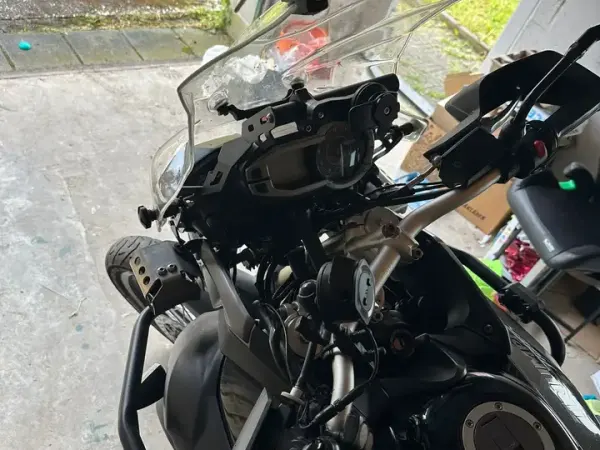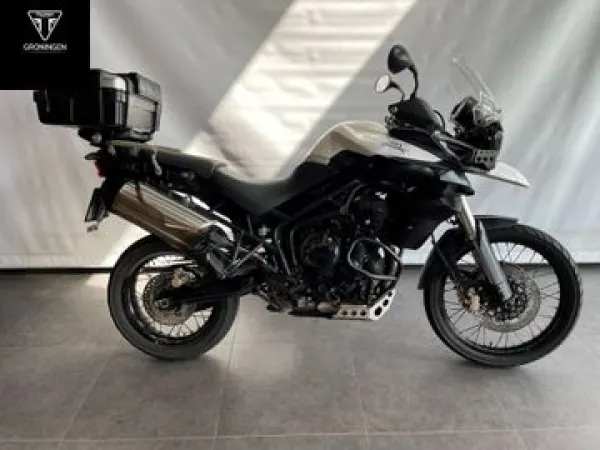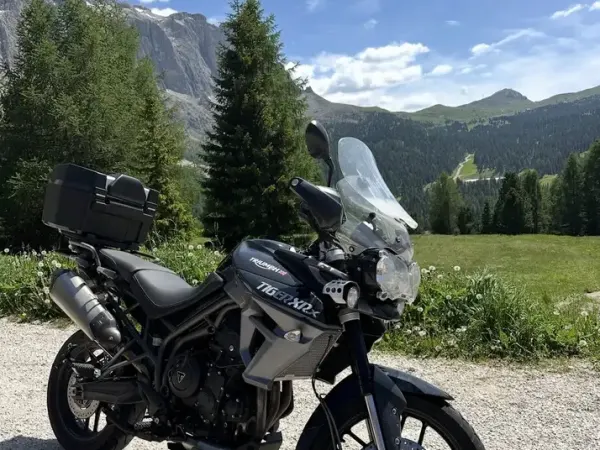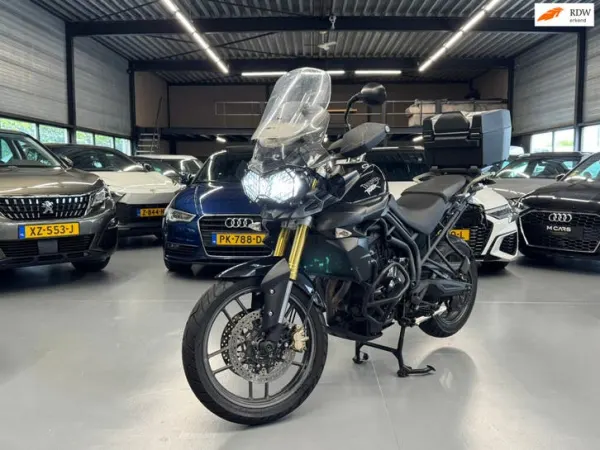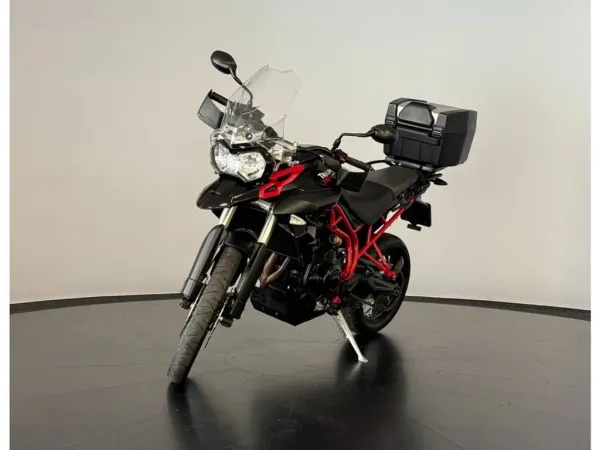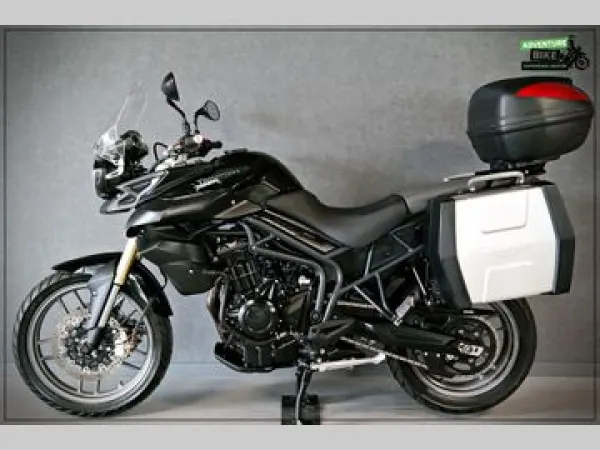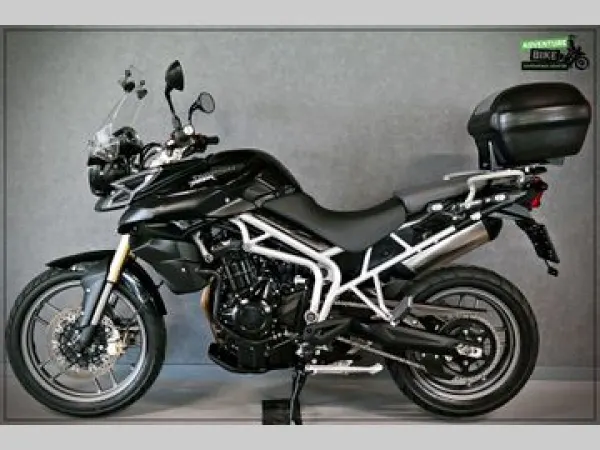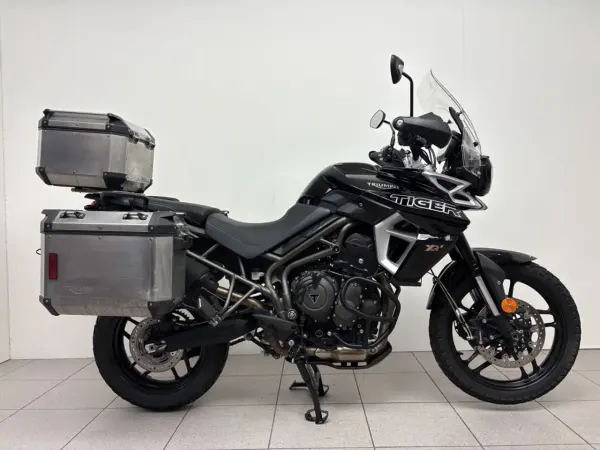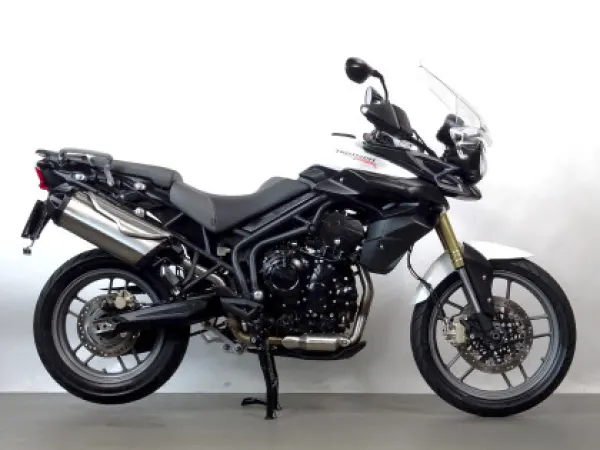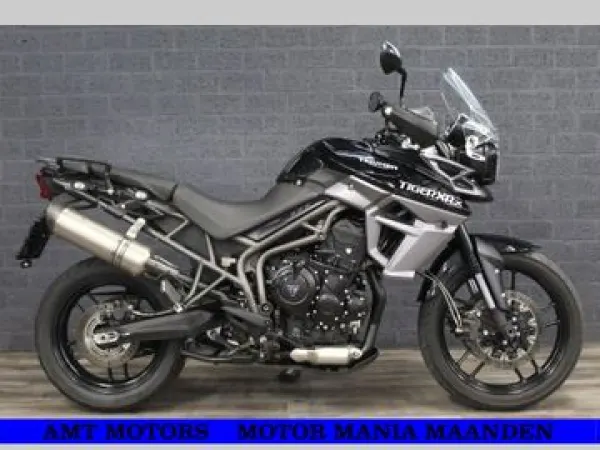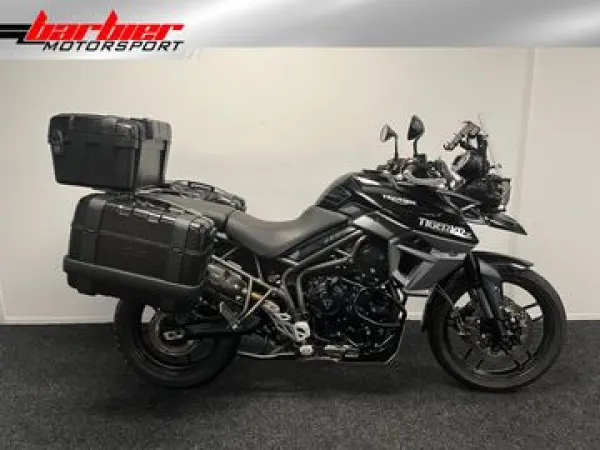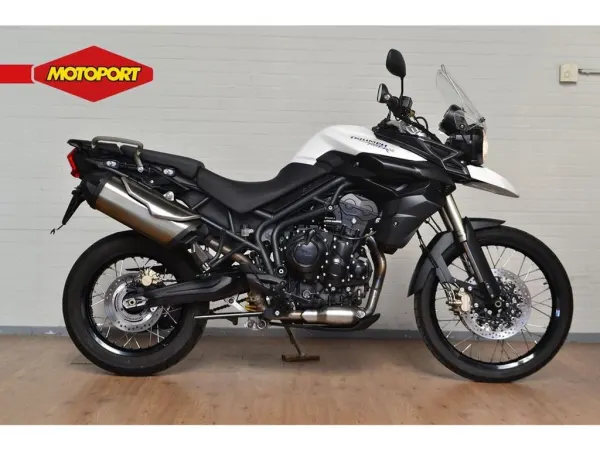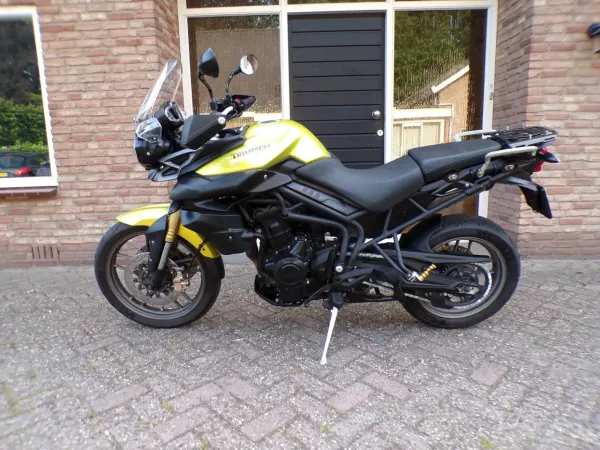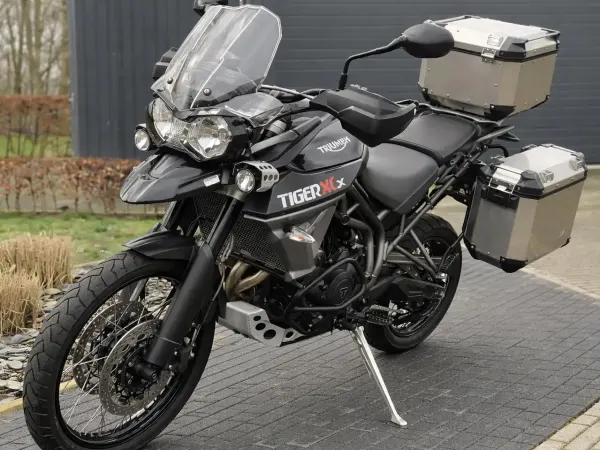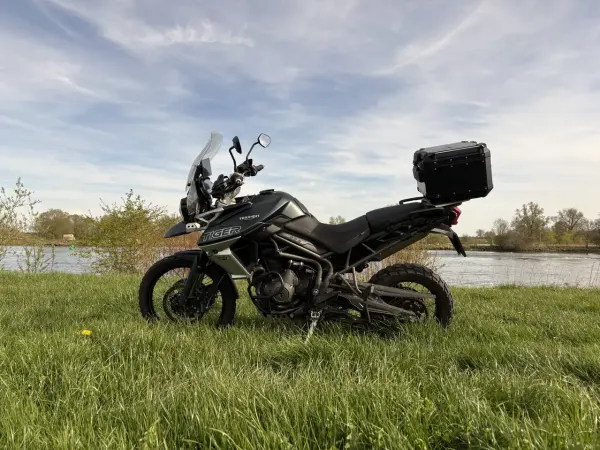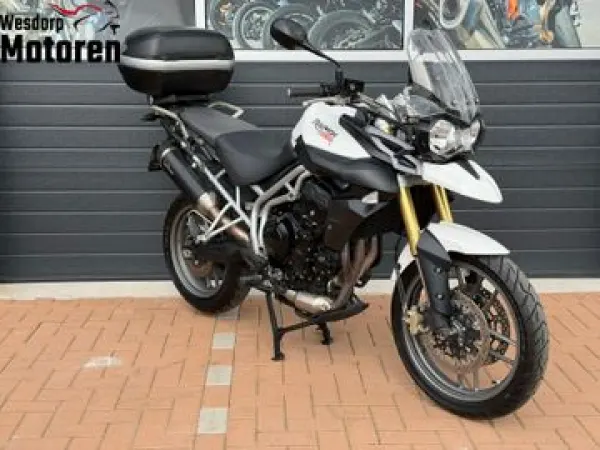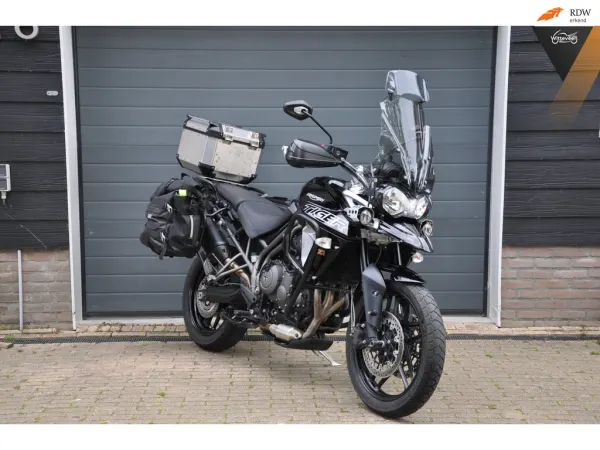
Triumph Tiger 800 XR ABS Zeer Complete motor!
Dealer website
+1

Triumph
AdventureCompare 102 current Triumph Tiger 800 listings across different model years and sales channels.

Triumph
Tiger 800
Adventure · 800 cc
See the typical asking prices, how prices are changing and which differences between listings matter.
Choose the model year and mileage for a focused comparison.
Based on asking prices, not sale prices. Trim, condition, maintenance and warranty still matter.
Based on price data from 4 of the past 12 months.
Used prices are trending down: the typical asking price is €105 lower than in June 2026.
Quick reference values. Model year, generation and trim can differ.
Displacement
800 cc
Power
95 hp · 70 kW
Torque
79 Nm
Category
Adventure

Denekamp, OV - Hoekstra
Models in the same category and price range to consider alongside the Tiger 800.
Specs, riding character and visual clues can change sharply between generations. Use this overview to match listings to the right version.
Years
2018 - 2020
The final Tiger 800 generation gained sharper styling, a TFT dashboard and refined suspension for road and trail.
Years
2015 - 2017
The update brought ride-by-wire, traction control and a broader electronics package to Tiger 800 XC and XR models.
Years
2011 - 2014
The Tiger 800 introduced Triumph's three-cylinder adventure platform with comfortable ergonomics and strong middleweight performance.
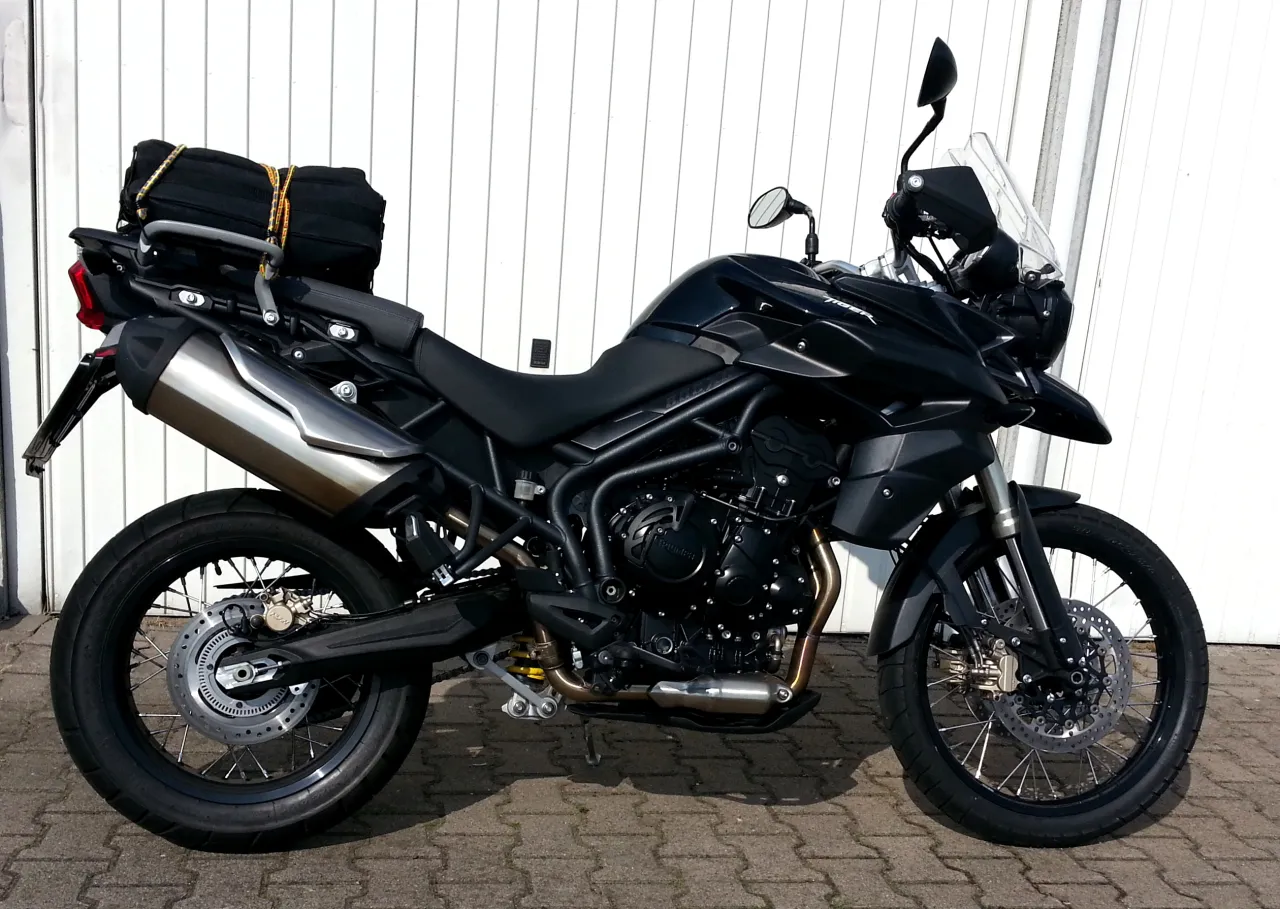
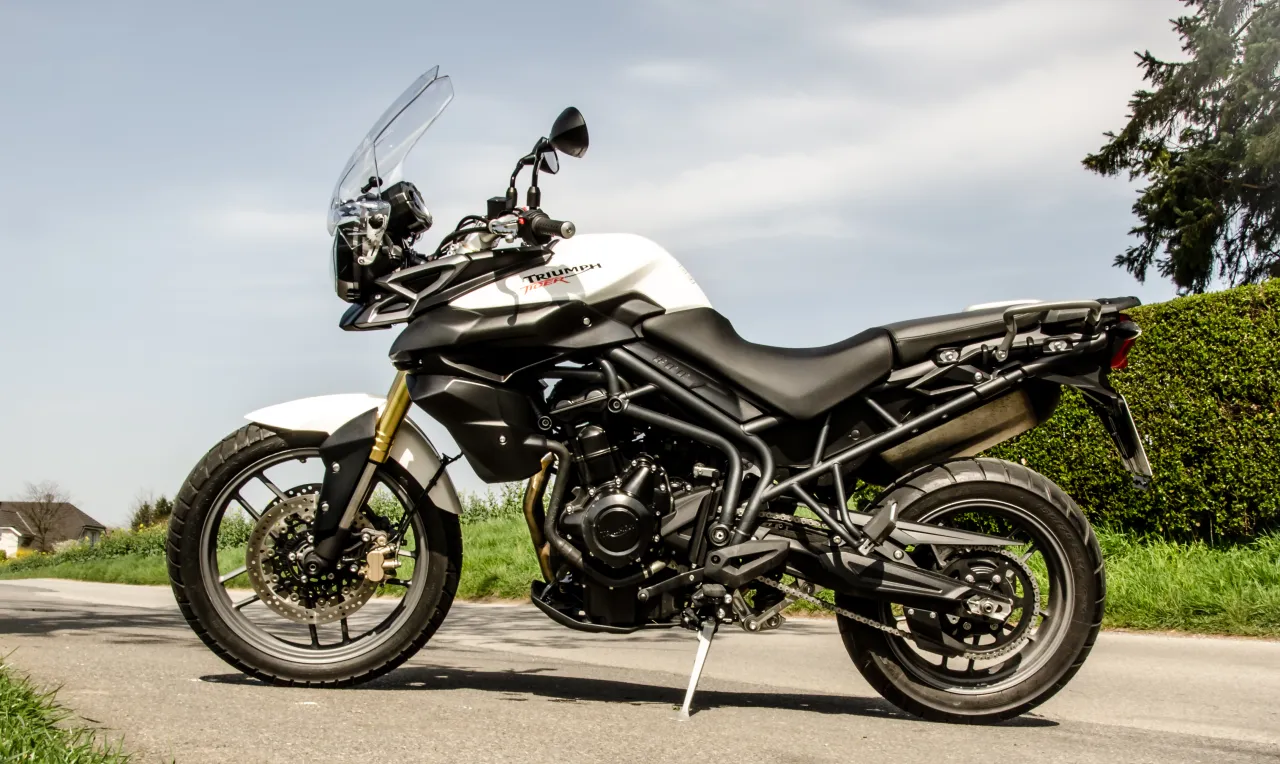
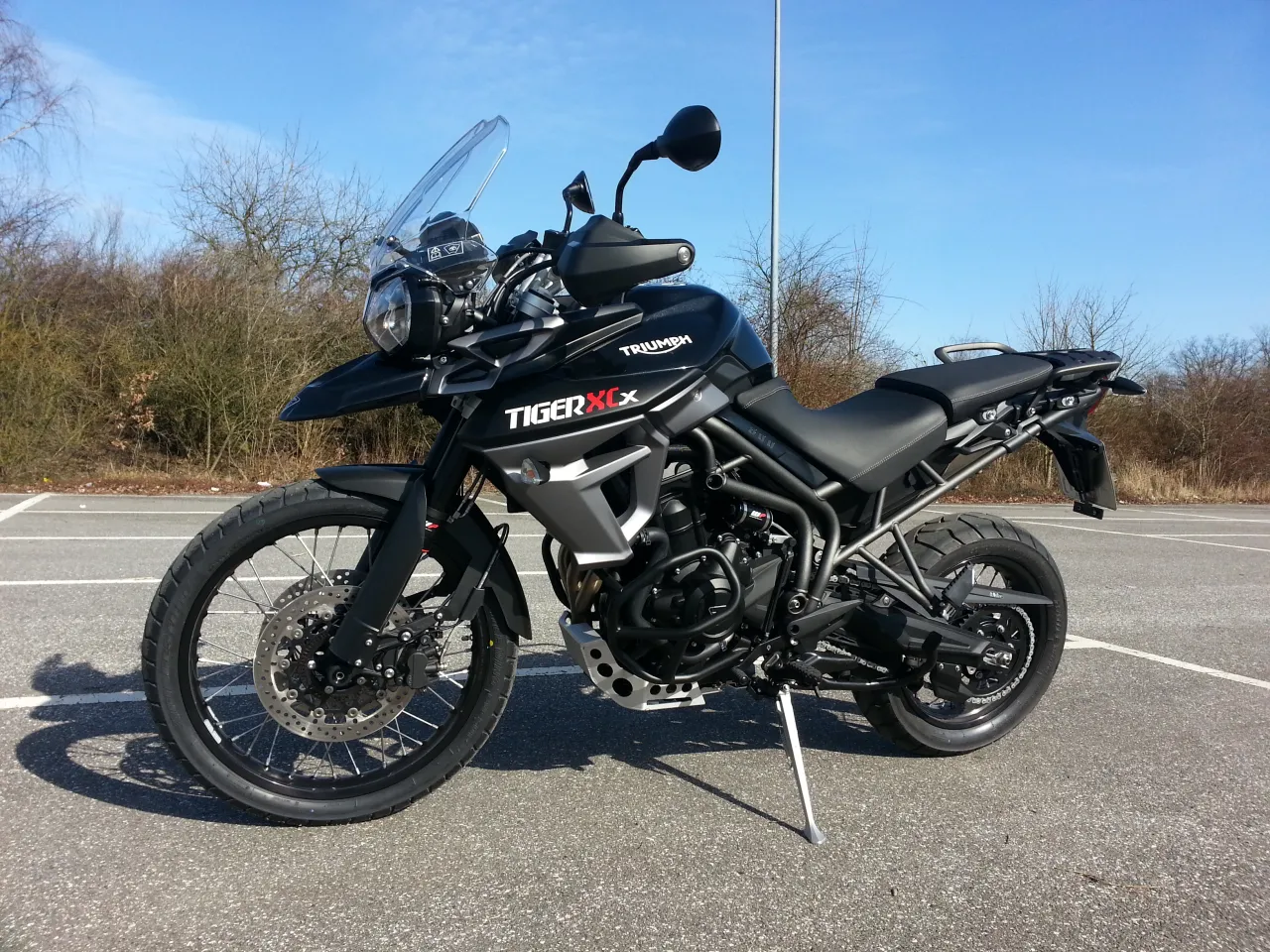
The Triumph Tiger 800 is a middleweight adventure bike powered by an 800 cc inline triple and chain drive. Introduced in 2010 and produced until 2020, when it was succeeded by the Tiger 900, it makes about 70 kW (95 hp) with a flexible torque curve that suits both back roads and long-distance touring. Two main flavours: the XR family with cast wheels and a road-biased setup, and the XC family with spoked wheels, longer travel and off-road tuning.
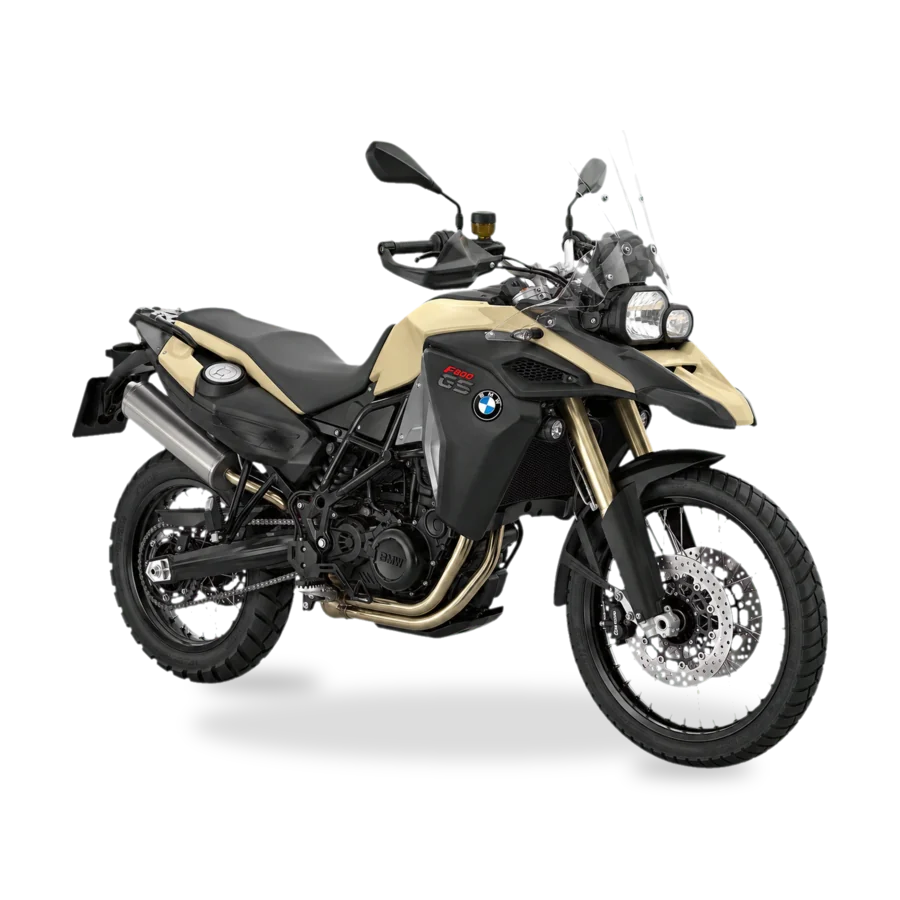
The Tiger 800 attracts riders who want the adventure look without the bulk of a 1200. At 810-840 mm seat height and around 215 kg it is noticeably more manageable than a GS or Tiger 1200. From 2015 (XCx/XRx) the model gained ride modes, ride-by-wire and cruise control; from 2018 a more capable TFT dashboard arrived. The 19-litre tank gives good range, the riding position is comfortable, and on the used market it stacks up well against the BMW F 800 GS and Suzuki V-Strom 800.
A used Triumph Tiger 800 costs on average €7,320 on MotorMonitor. Most examples fall between €5,986 and €10,450, based on 102 motorcycles currently for sale.
MotorMonitor currently compares 102 used Triumph Tiger 800 motorcycles, gathered from several Dutch marketplaces and dealer sites.
The average used Triumph Tiger 800 is from 2015 and has around 37,102 km on the odometer, based on the current supply.