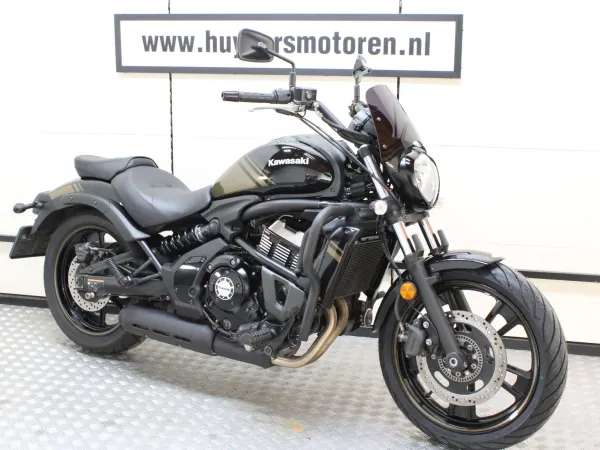
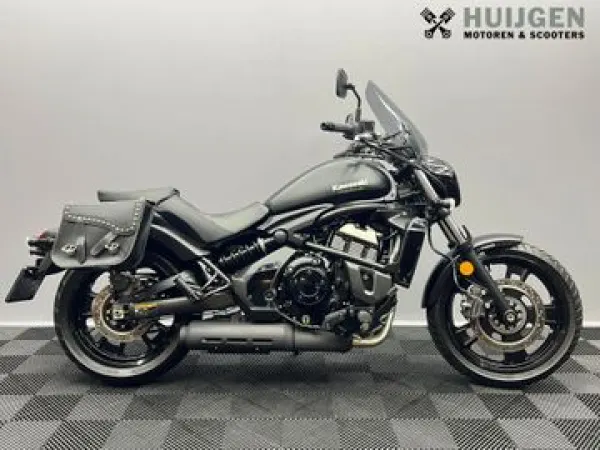
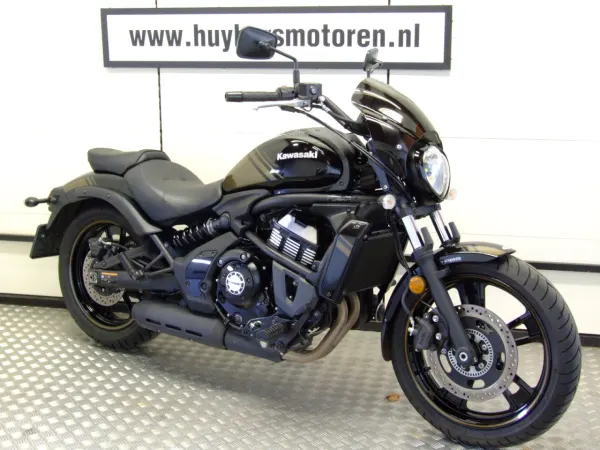
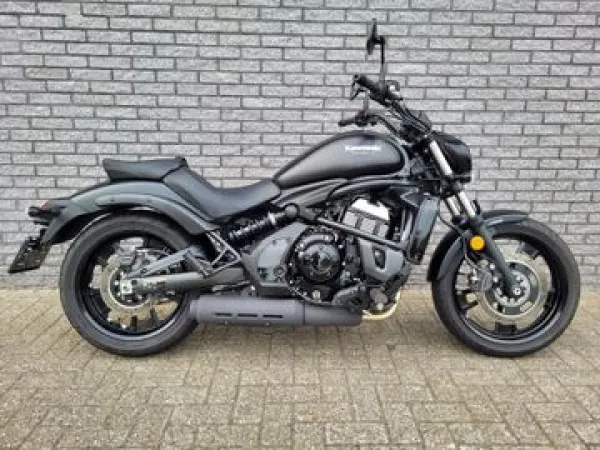
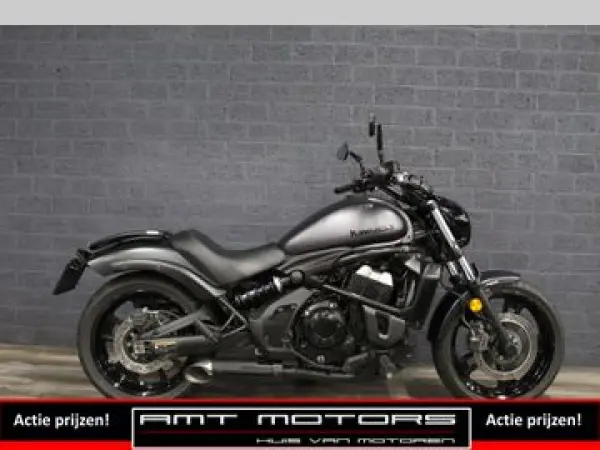
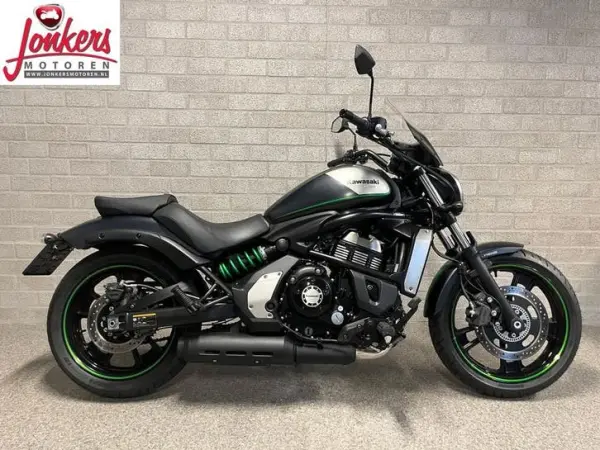
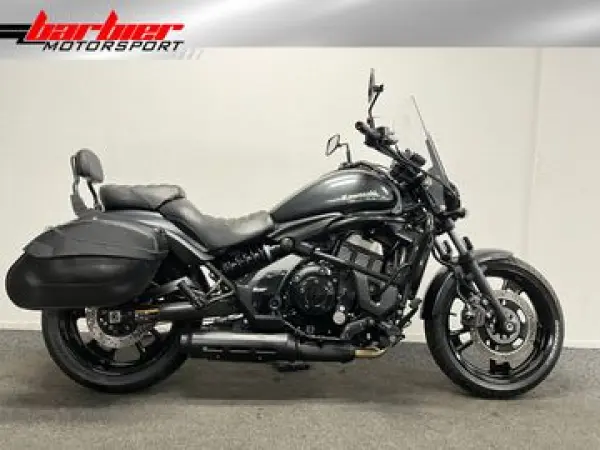
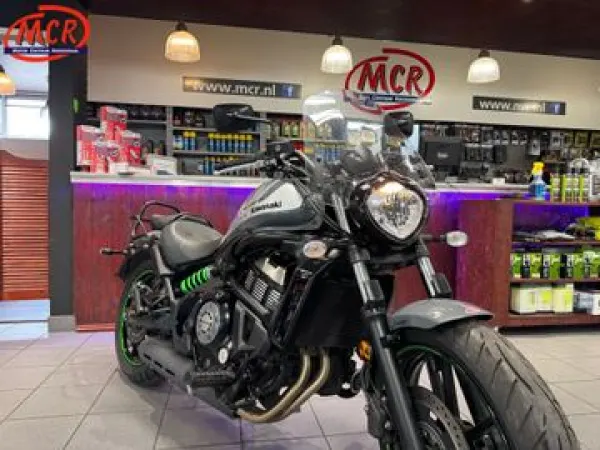
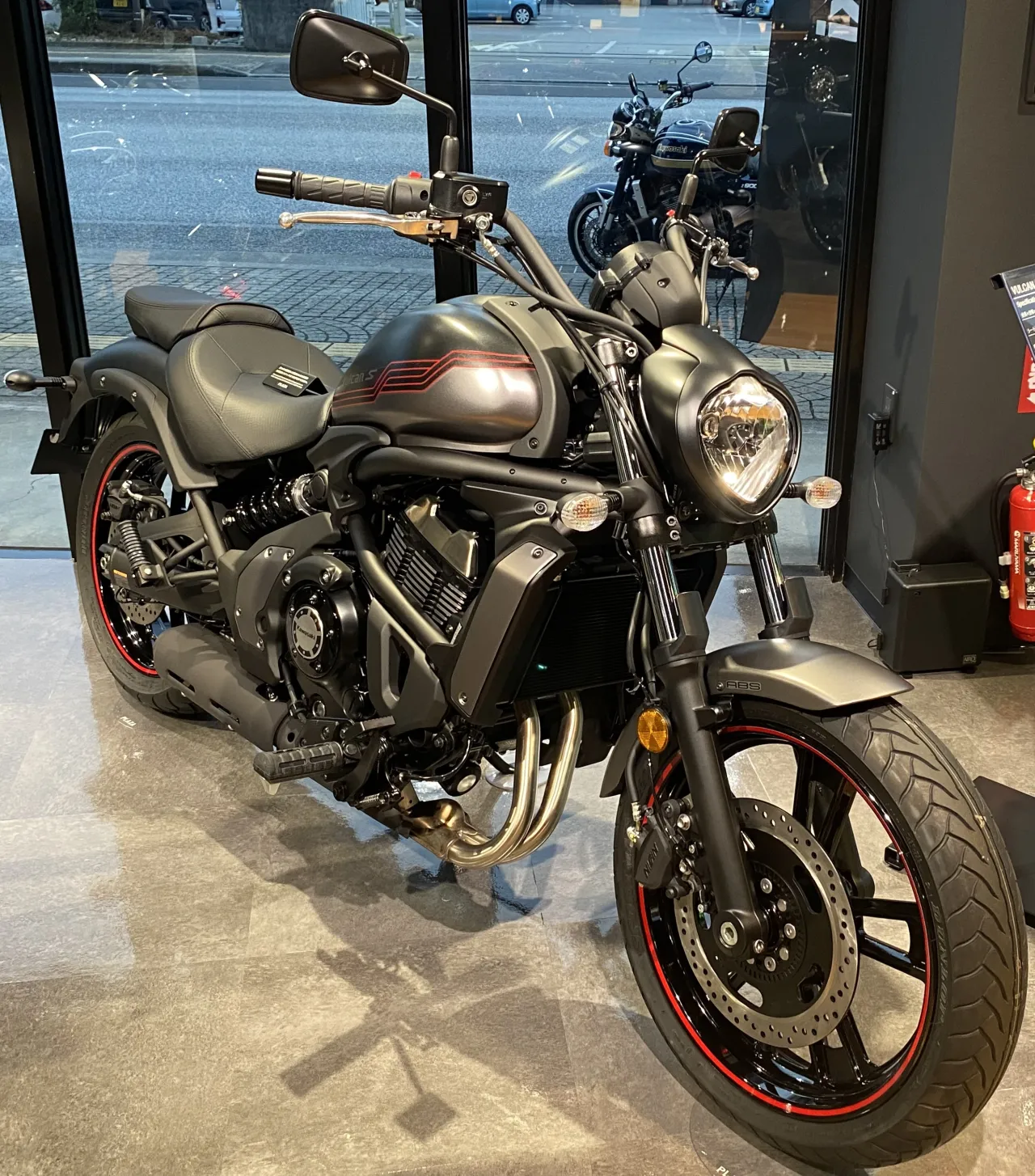
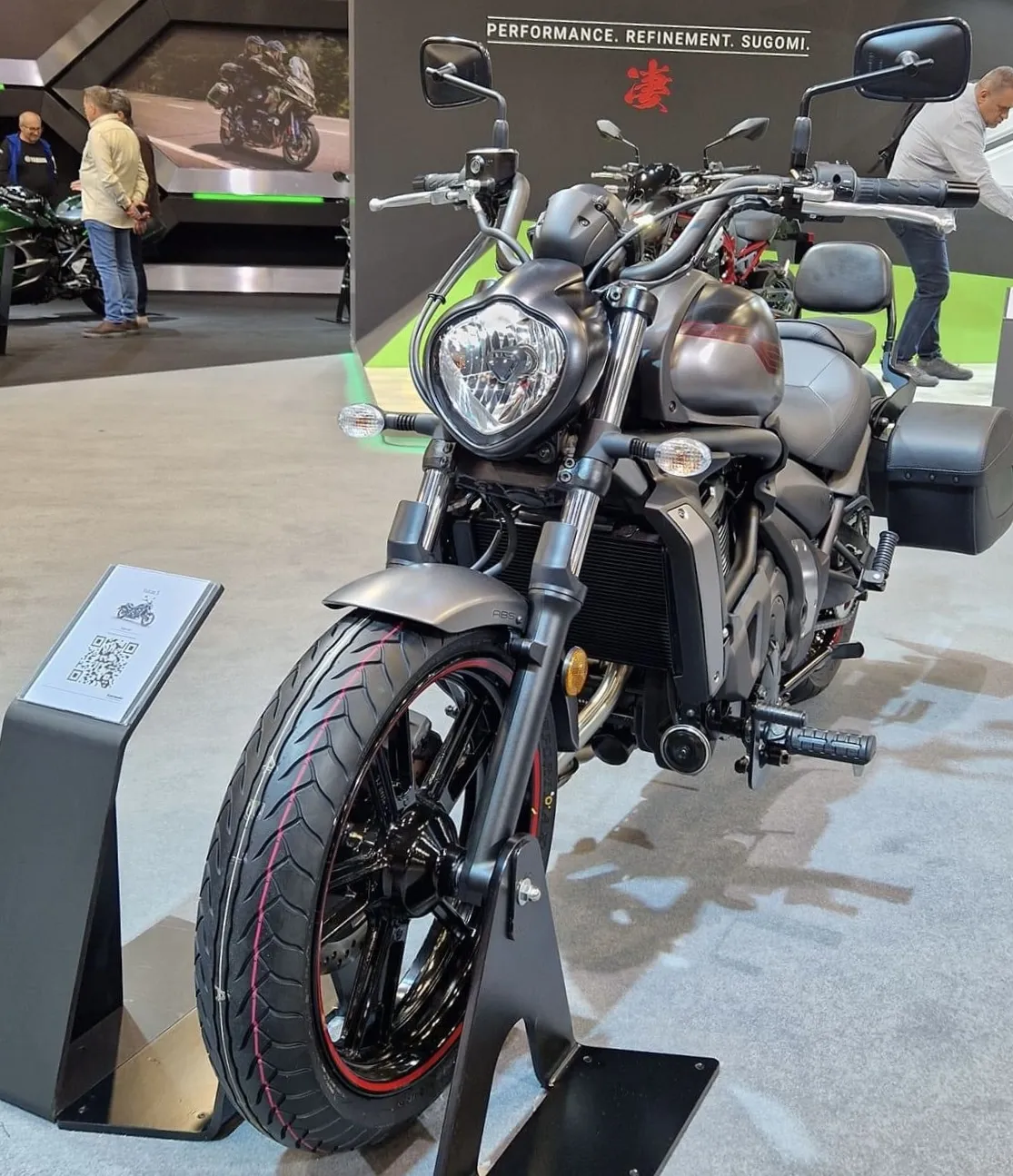
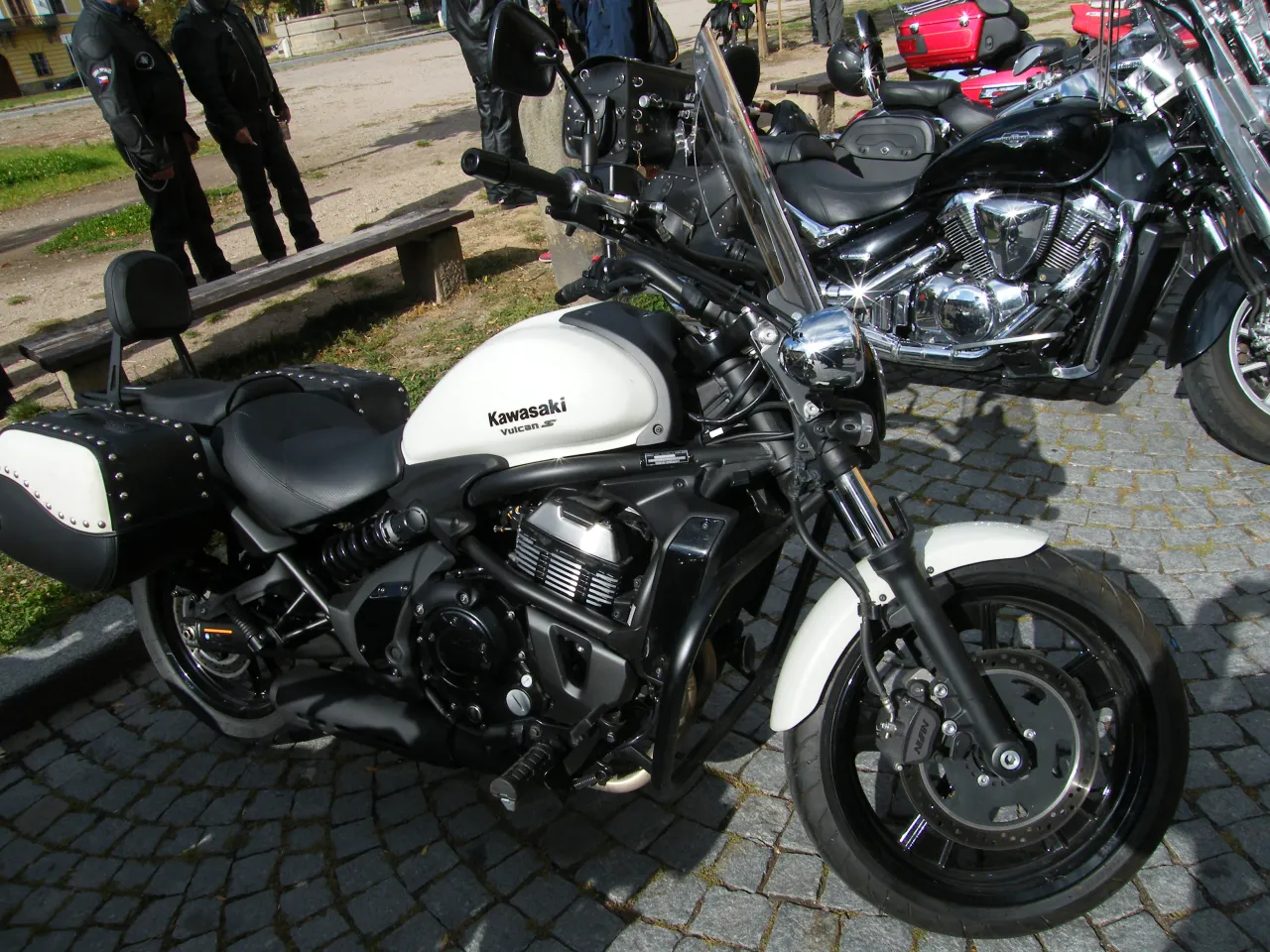
Kawasaki Vulcan S
€8,399
202217,996 km
Motorstore UithoornUithoorn
Dealer website


Compare 174 Kawasaki Vulcan S listings from different years and sales sites.

Kawasaki
Vulcan S
Cruiser · 649 cc · 61 hp
See typical prices, price changes and important differences.
Choose the model year and mileage for a price guide.
Based on asking prices, not sale prices. Trim, condition, maintenance and warranty still matter.
Based on price data from 7 of the past 12 months.
Used prices are trending down: the typical asking price is €995 lower than in May 2026.
Quick reference values. Model year, generation and trim can differ.
Models in the same category and price range to consider alongside the Vulcan S.
Features and handling differ by generation. Use this overview to find the right version.
Years2023–present
The current Vulcan S combines the proven 649cc twin with rider aids, ABS and a widely adjustable ergonomic package.
649 cc · 61 hp · 2 cyl. · A2 suitable
Years2020–2022
The Euro 5 update retained the low Easy-Reach concept with cleaner emissions technology and modern LED and connectivity options.
649 cc · 61 hp · 2 cyl. · A2 suitable
Years2015–2019
The Vulcan S uses Kawasaki's 649cc parallel twin in a low cruiser with adjustable footpegs and ergonomics.
649 cc · 61 hp · 2 cyl. · A2 suitable
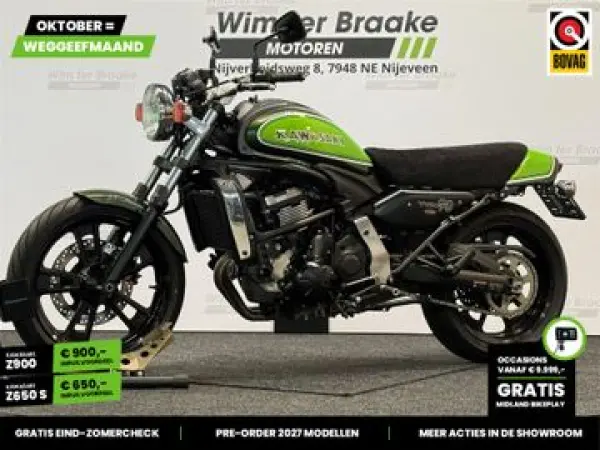
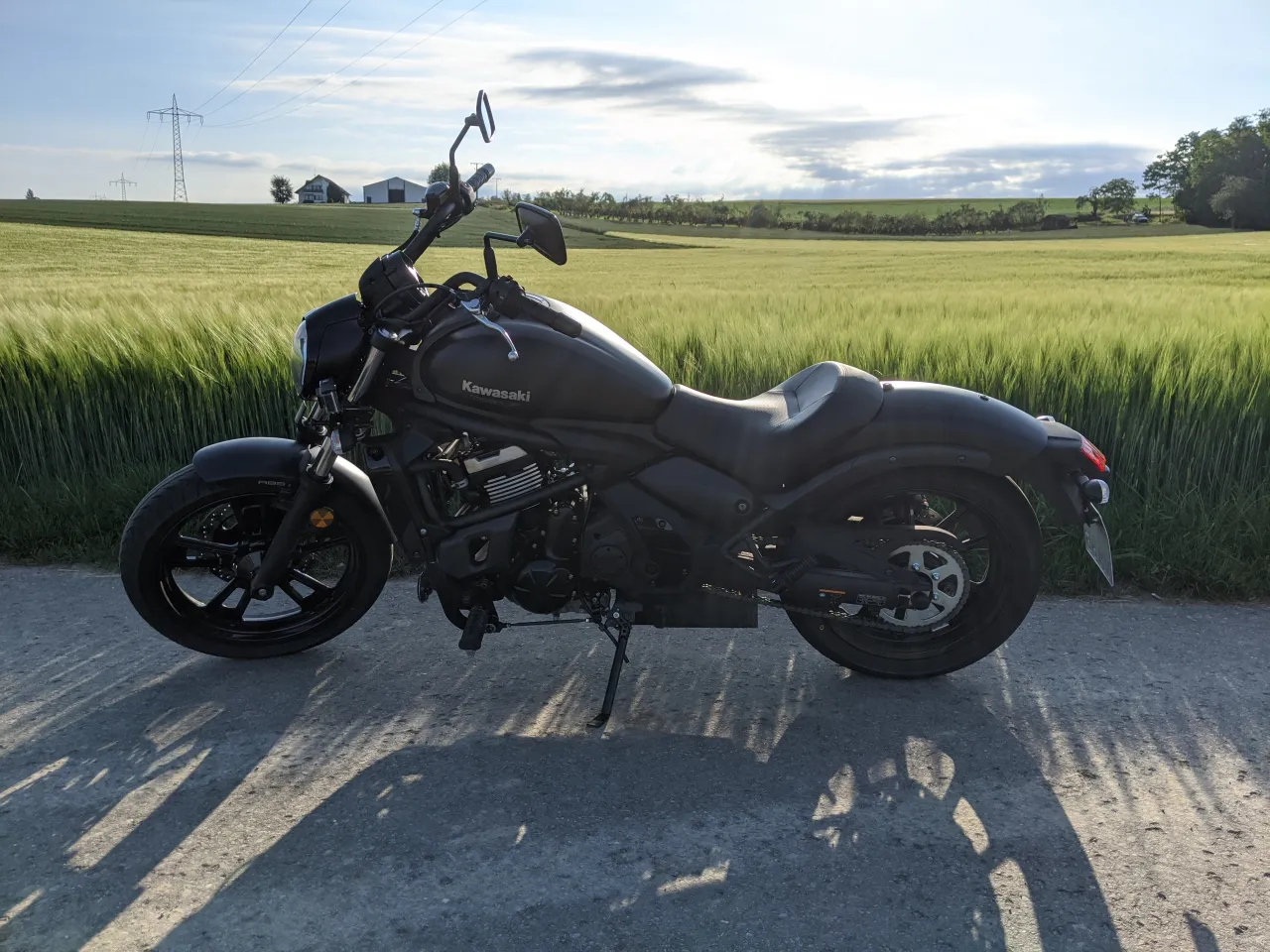
The Kawasaki Vulcan S has been on sale since 2015 as a light cruiser. Instead of the classic V-twin formula, Kawasaki uses the 649cc parallel-twin from the ER-6 and Versys with revised cams, a smaller airbox and a tuned exhaust for more low-rpm pull. Output sits at 45 kW (61 hp) and around 63 Nm of torque. The long-wheelbase, low-seat (705 mm) cruiser stance contrasts with the brand's Z-model DNA, but the Ergo-Fit system lets dealers adjust handlebar, footpegs and seat to suit rider height.
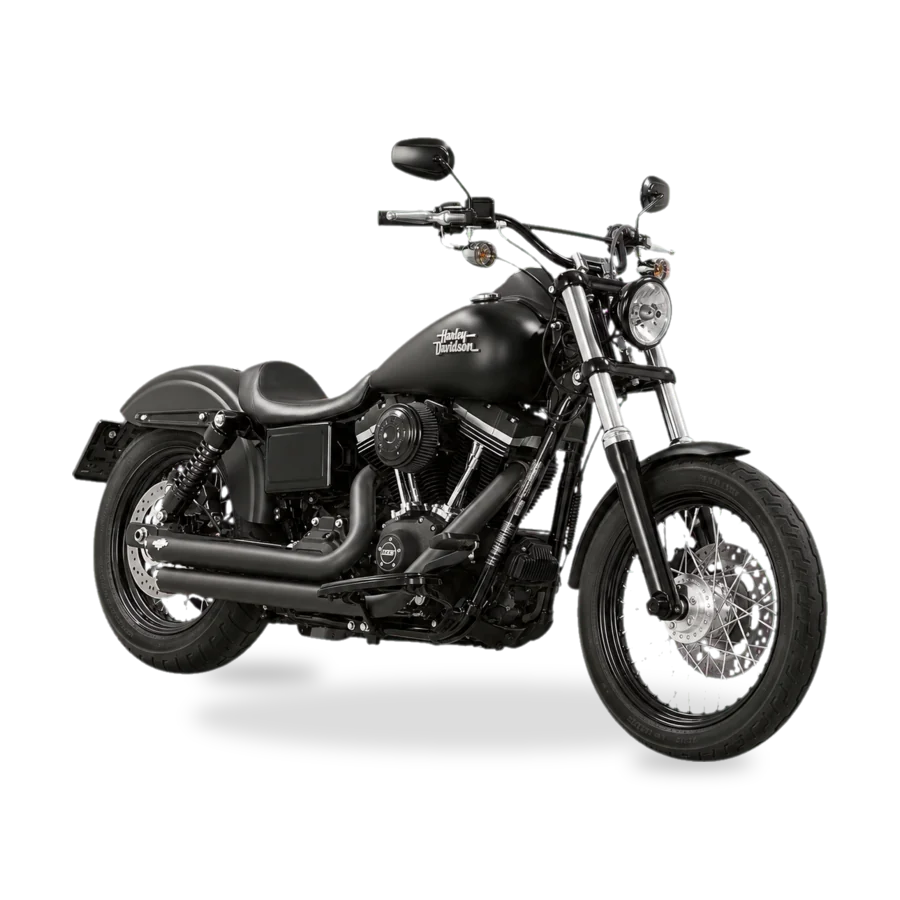
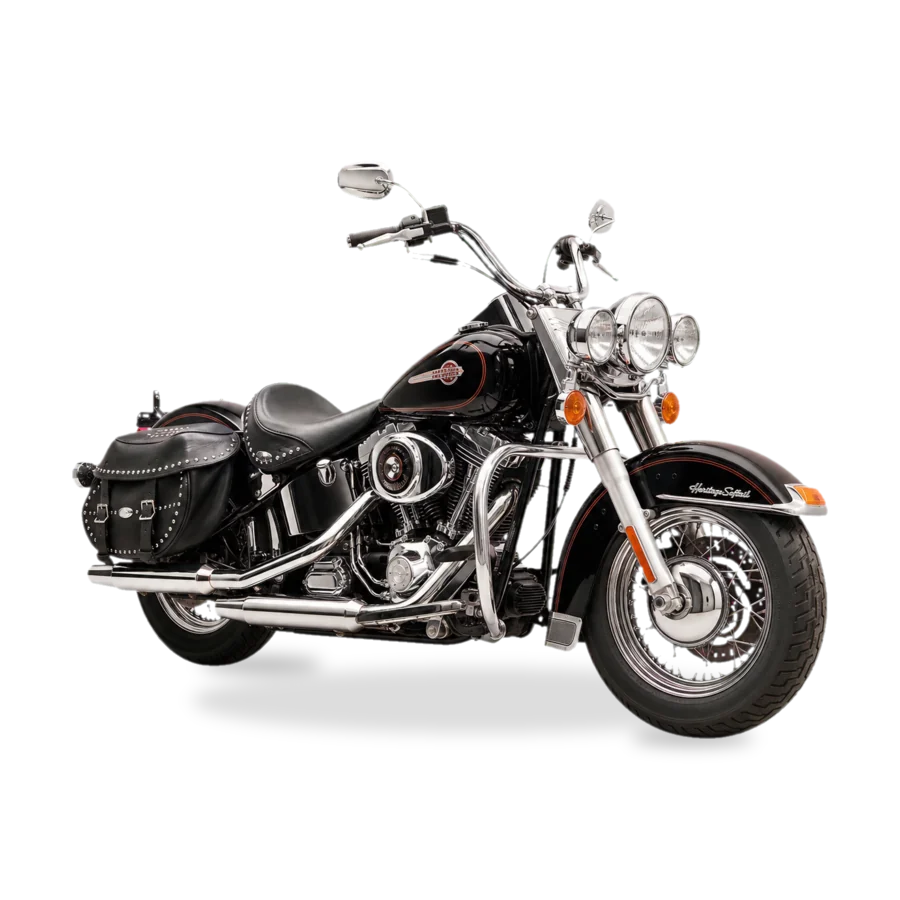
The Vulcan S targets newer riders and cruiser fans who do not want to wrestle a 280 kg V-twin. Its 235 kg weight and low centre of gravity make it manoeuvrable in town, and the 14-litre tank is just enough for around 250 km between fills. Long-distance touring needs accessories, wind protection and luggage are not standard, though Cafe and Tourer packages exist. Direct rivals include the Honda Rebel 500, Yamaha Bolt and Harley-Davidson Street 750. A 35 kW A2-licence version is available.
Check the clutch slave cylinder for leaks; this ER-6-derived part is a known weak point after 30,000-50,000 km.
Inspect the chrome around the headlight and exhaust for pitting; cruiser chrome is prone to road salt damage.
Verify the rear monoshock (hidden under the seat) is not sagging or weeping oil; it is an awkward service item often overlooked.
Test that the Ergo-Fit adjustments (seat, bars, pegs) are correctly set for the current rider.
Look for hairline cracks in the footpeg brackets if the bike has been ridden two-up; the long rear frame is only modestly braced for heavier loads.
A used Kawasaki Vulcan S costs €7,900 on average. Most cost €6,450 to €9,999. This is based on 174 motorcycles for sale now.
MotorMonitor now compares 174 used Kawasaki Vulcan S motorcycles from Dutch sales sites.
The average used Kawasaki Vulcan S is from 2021 and has done about 7,718 km.
The Kawasaki Vulcan S produces 60 hp (45 kW).
The Kawasaki Vulcan S weighs about 235 kg.
The top speed of the Kawasaki Vulcan S is around 180 km/h.
The seat height of the Kawasaki Vulcan S is about 705 mm.