AI

Yamaha
XVS 400
Cruiser · 399 cc
- Engine
- 399 cc
- Power
- 33 hp
This text was partly made with AI and may contain errors.
What should you pay for a XVS 400?
See typical prices, price changes and important differences.
Not enough prices for a useful guide yet
- Typical asking price
- —
- Current prices compared
- 0
This is a guide based on asking prices, not confirmed sale prices.
Asking prices
—typical asking price
We are still collecting prices. The trend appears when we have enough months.
Model family
XVS 400 at a glance
Quick reference values. Model year, generation and trim can differ.
Displacement
399 cc
Power
33 hp · 24 kW
Torque
32 Nm
Category
Cruiser
Specifications
- Displacement
- 399 cc
- Power
- 33 hp · 24 kW
- Torque
- 32 Nm
- Cylinders
- 2 cyl.
- Production
- 1996 – 2017
- Category
- Cruiser
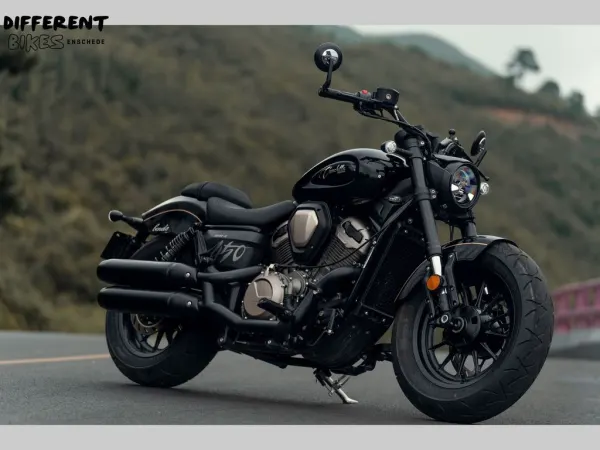
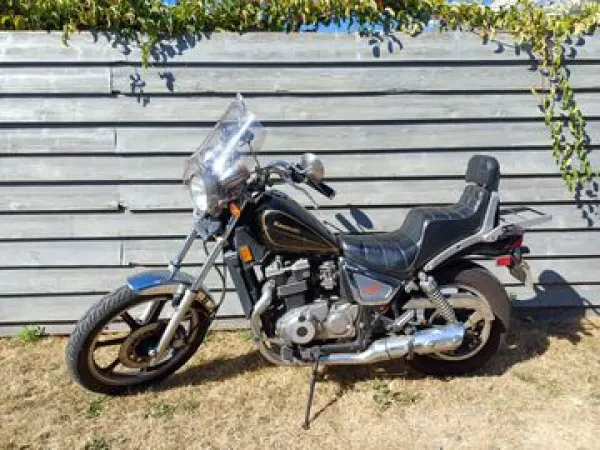
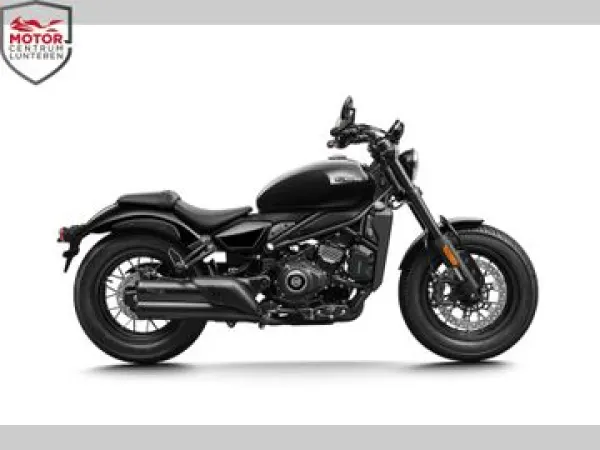
Comparable models
Also worth considering
Models in the same category and price range to consider alongside the XVS 400.


Generations and editions
Features and handling differ by generation. Use this overview to find the right version.
2 variants
Years
1998 - 2017
1998–2017 DragStar 400 Classic
EditionThe XVS400 Classic with specific cruiser bodywork and market equipment. Only explicit Classic/XVS400C descriptions belong to this row.
399 cc2 cyl.
Years
1996 - 2017
1996–2017 DragStar 400
GenerationThe standard XVS400 DragStar with a 399cc air-cooled V-twin and shaft drive. Assign only when the vehicle is not explicitly identified as Classic.
399 cc33 hp2 cyl.
About this model
About the Yamaha XVS 400
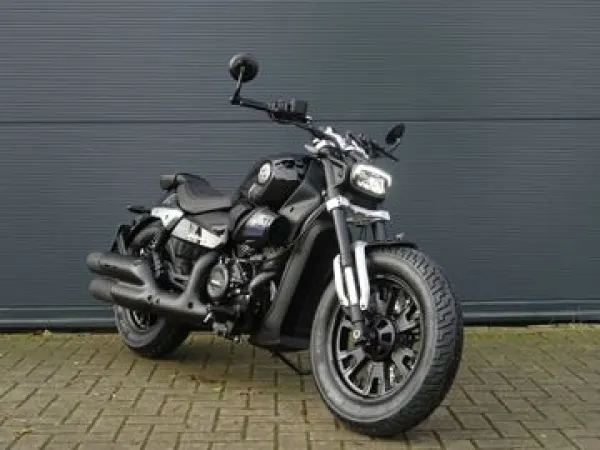
The Yamaha XVS400 DragStar is a Japanese 400cc cruiser that succeeded the Virago 400 in 1996. It uses its own air-cooled 399cc V-twin with shaft drive and is not a derivative specification row of the XVS650. Alongside the standard DragStar, the DragStar Classic appeared from 1998 with its own bodywork and wheel equipment. Both are mainly relevant as import motorcycles; frame code, Standard/Classic designation, model year, lighting and registration therefore matter more than the name “DragStar” alone.
- Category
- Cruiser
- Production
- 1996 – 2017
- Power
- 33 hp
Before you buy
What to check before buying
- Verify frame code, model year and Standard/Classic trim; XVS400 imports use different detail parts.
- Inspect carburettors, fuel tap, tank and intake rubbers for ageing, leaks and a stable cold start.
- Check shaft oil, final drive and rear hub for leaks, play and correct servicing.
- Test brakes, suspension, steering head and spoke/wheel equipment for wear and custom-work damage.
- Check import documents, lighting, exhaust and registered output before using the motorcycle on the road.