
AI

Yamaha
XC 180
Scooter · 171 cc
- Engine
- 171 cc
- Power
- 15 hp
- Weight
- 108 kg
This text was partly made with AI and may contain errors.
What should you pay for a XC 180?
See typical prices, price changes and important differences.
Not enough prices for a useful guide yet
- Typical asking price
- —
- Current prices compared
- 0
This is a guide based on asking prices, not confirmed sale prices.
Asking prices
—typical asking price
We are still collecting prices. The trend appears when we have enough months.
Model family
XC 180 at a glance
Quick reference values. Model year, generation and trim can differ.
Displacement
171 cc
Power
15 hp · 11 kW
Torque
15 Nm
Category
Scooter
Specifications
- Displacement
- 171 cc
- Power
- 15 hp · 11 kW
- Torque
- 15 Nm
- Weight
- 108 kg
- Production
- 1982 – 1985
- Category
- Scooter
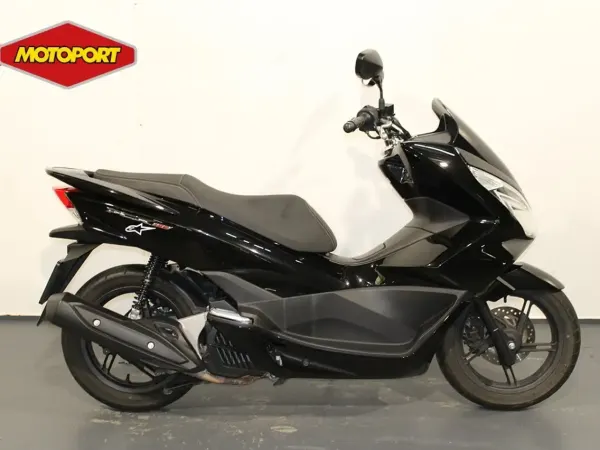
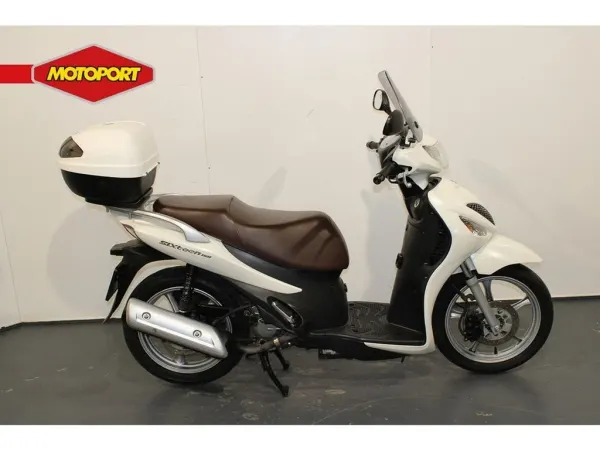
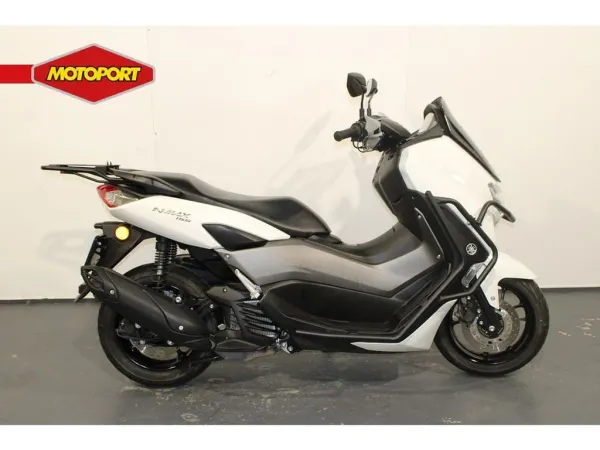
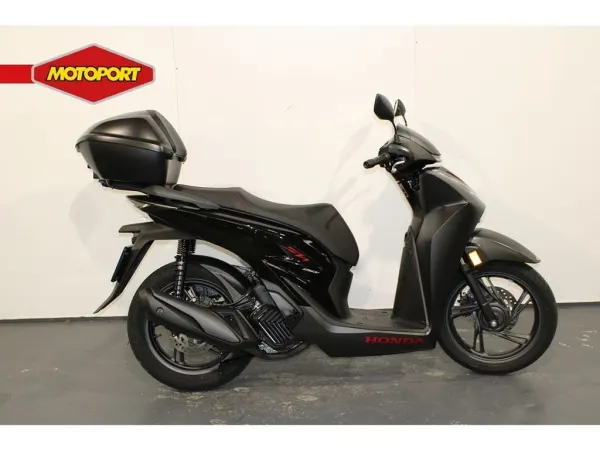
Comparable models
Also worth considering
Models in the same category and price range to consider alongside the XC 180.


Generations and editions
Features and handling differ by generation. Use this overview to find the right version.
1 variants
Years
1982 - 1985
1982–1985 · Cygnus XC 180
GenerationThe XC 180 is the 171cc Cygnus from Yamaha's early large-scooter range. Regional naming varies; match advertisements only to XC 180/XC180 and verify the frame number.
171 cc15 hp1 cyl.A2 suitable
About this model
About the Yamaha XC 180
The Yamaha XC 180 is the original large Cygnus scooter introduced in 1982. Its air-cooled 171cc four-stroke single, automatic transmission and relatively substantial bodywork were intended for relaxed urban riding and longer regional trips. It is distinct from the later XC 125: displacement, engine and model history are not interchangeable.
Buy an XC 180 on mechanical completeness first. After decades of storage, the fuel system, CVT, vacuum and intake rubbers, brakes and electrical connections matter more than shiny bodywork. Verify the frame number and market version carefully; Cygnus, Riva and other regional names occur. A complete, smooth-running example is a distinctive early large scooter, but parts sourcing and rebuild work need a realistic budget.
- Category
- Scooter
- Production
- 1982 – 1985
- Power
- 15 hp
- Weight
- 108 kg
Before you buy
What to check before buying
- Inspect the CVT for a worn belt, rollers, clutch and unusual vibration or slip.
- Inspect tank, carburettor, vacuum hoses and intake rubber for ageing, leaks and contamination after storage.
- Test cold starting, compression and smooth running; also check valve clearance and oil leaks around engine and final drive.
- Check brakes, tyres, forks and wheel bearings; period parts may have spent a long time unused.
- Measure charging voltage and test all lights, switches and the automatic choke with both a warm and cold engine.