
AI
Piaggio
PX 150
Scooter · 150 cc
- Engine
- 150 cc
- Power
- 9 hp
- Weight
- 120 kg
This text was partly made with AI and may contain errors.
What should you pay for a PX 150?
See typical prices, price changes and important differences.
Not enough prices for a useful guide yet
- Typical asking price
- —
- Current prices compared
- 0
This is a guide based on asking prices, not confirmed sale prices.
Asking prices
—typical asking price
We are still collecting prices. The trend appears when we have enough months.
Model family
PX 150 at a glance
Quick reference values. Model year, generation and trim can differ.
Displacement
150 cc
Power
9 hp · 7 kW
Torque
10 Nm
Category
Scooter
Specifications
- Displacement
- 150 cc
- Power
- 9 hp · 7 kW
- Torque
- 10 Nm
- Weight
- 120 kg
- Seat height
- 790 mm
- Top speed
- 95 km/h
- Production
- 1977 – 2016
- Category
- Scooter
Comparable models
Also worth considering
Models in the same category and price range to consider alongside the PX 150.



Generations and editions
Features and handling differ by generation. Use this overview to find the right version.
1 variants
Years
1977 - 2016
PX 150
GenerationThis technical reference row for the PX 150 combines the available catalogue data: 150 cc, 7 kW, 9 hp, 120 kg. It describes the model reference, but does not necessarily distinguish every production or equipment change. Always verify model year, trim and technical values against the individual motorcycle.
150 cc9 hp
About this model
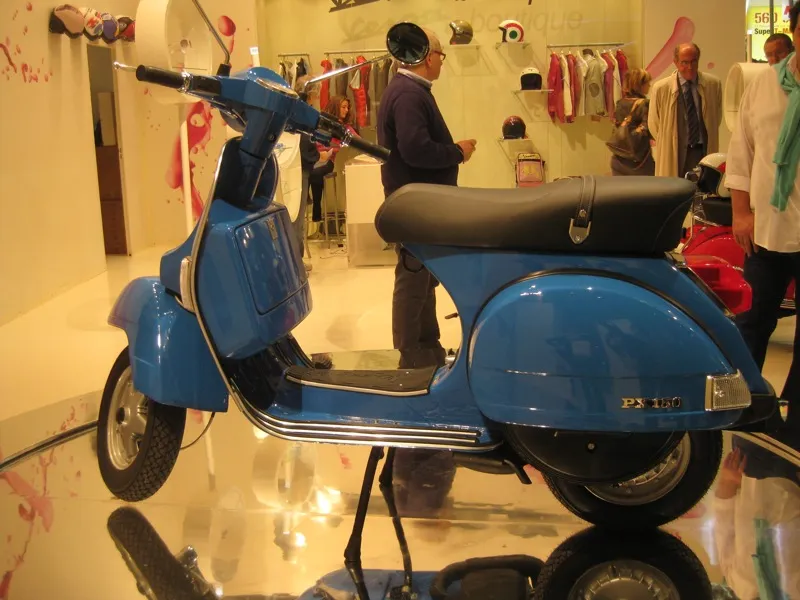
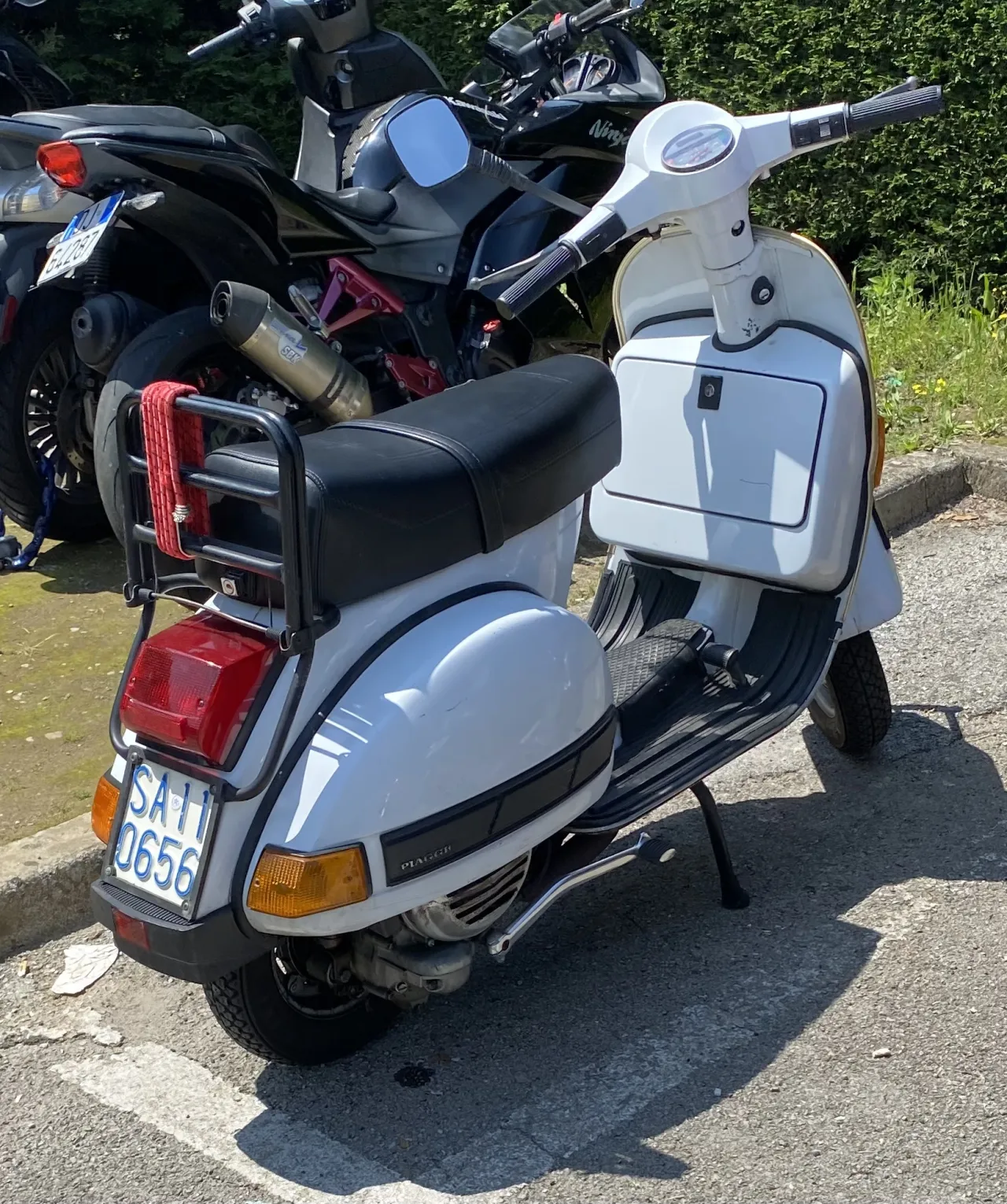
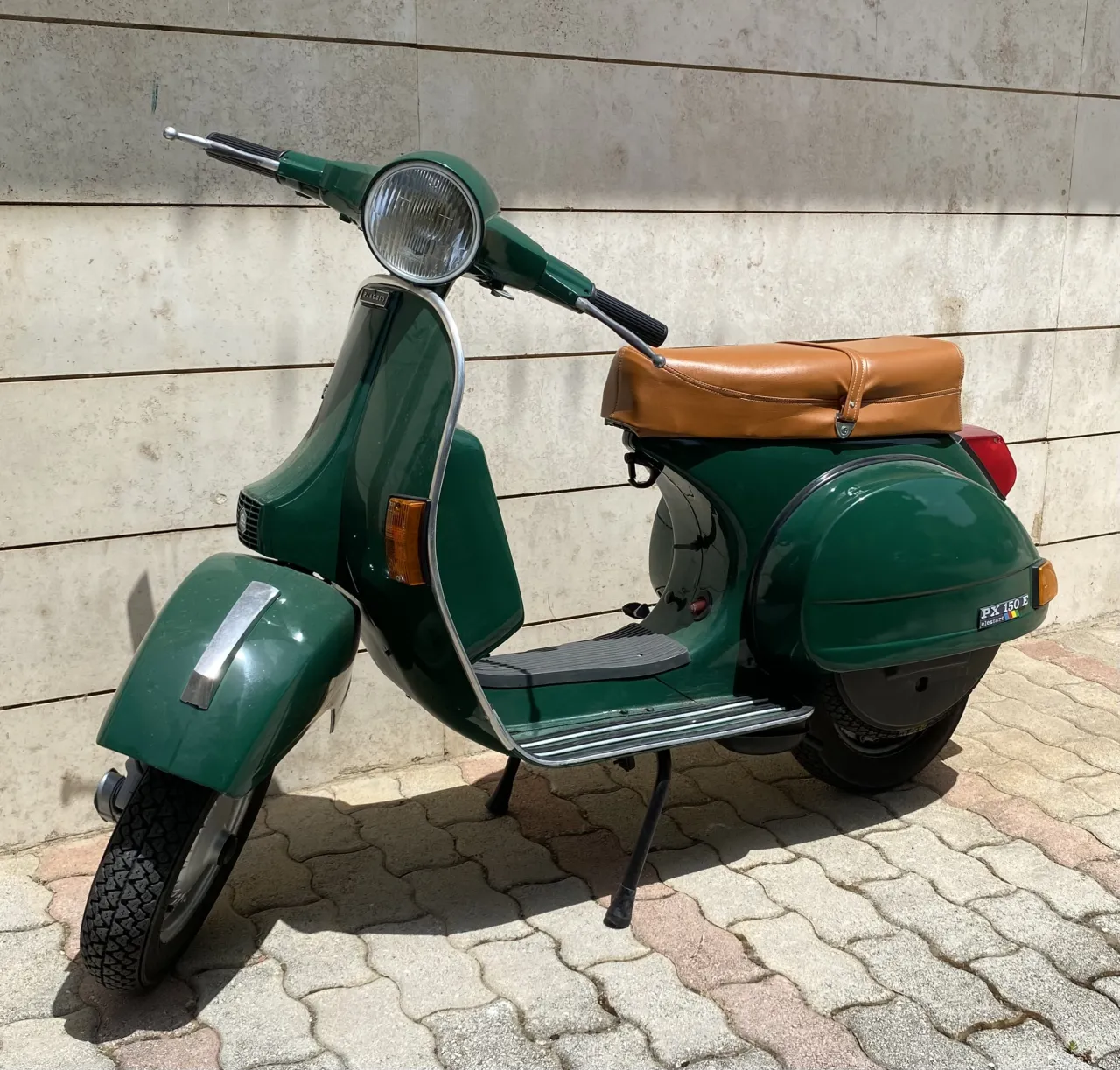
About the Piaggio PX 150
The Vespa PX 150 is one of the world's most iconic scooters, produced by Piaggio from 1977 to 2016 with brief interruptions. Original versions used a 150cc two-stroke engine; later models (from 2011 onward) switched to a four-stroke Euro-3 unit to meet emissions regulations. The steel monocoque body, rotating headset, and externally mounted spare tyre are characteristic design elements that remained essentially unchanged for decades.
The PX 150 is not intended for beginners: the riding style demands engagement thanks to the hand-shifted four-speed gearbox with a clutch lever. It appeals to riders seeking the authentic Vespa experience and remains popular as an everyday city scooter. Historically it competed with the Lambretta GP; today used examples are sought by collectors and restoration enthusiasts.
- Category
- Scooter
- Production
- 1977 – 2016
- Power
- 9 hp
- Weight
- 120 kg
Before you buy
What to check before buying
- Check for rust inside the bodywork, particularly the rear swing arm and floor panel; the steel construction is corrosion-prone and damage is difficult to spot from the outside.
- On pre-2011 two-stroke models, inspect the crankshaft seals: smoking at cold start or power loss is a known wear point.
- Check the hand-shifted clutch for slippage; the wet clutch can wear unevenly after extended use.
- Inspect the rear brake pedal and cables: the mechanical brakes can develop excessive play through age or poor adjustment.
- Confirm the original exhaust is fitted (and on two-strokes, the expansion chamber); replacement parts are scarce and affect engine character.