
AI
Piaggio
GTS 250
Scooter · 244 cc
- Engine
- 244 cc
- Power
- 22 hp
- Weight
- 148 kg
This text was partly made with AI and may contain errors.
What should you pay for a GTS 250?
See typical prices, price changes and important differences.
Not enough prices for a useful guide yet
- Typical asking price
- —
- Current prices compared
- 0
This is a guide based on asking prices, not confirmed sale prices.
Price trend+59%
Based on price data from 3 of the past 12 months.
The typical asking price is €1,425 higher than in May 2026.
Model family
GTS 250 at a glance
Quick reference values. Model year, generation and trim can differ.
Displacement
244 cc
Power
22 hp · 16 kW
Torque
20 Nm
Category
Scooter
Specifications
- Displacement
- 244 cc
- Power
- 22 hp · 16 kW
- Torque
- 20 Nm
- Weight
- 148 kg
- Seat height
- 790 mm
- Top speed
- 122 km/h
- Production
- 2005 – 2008
- Category
- Scooter
Comparable models
Also worth considering
Models in the same category and price range to consider alongside the GTS 250.

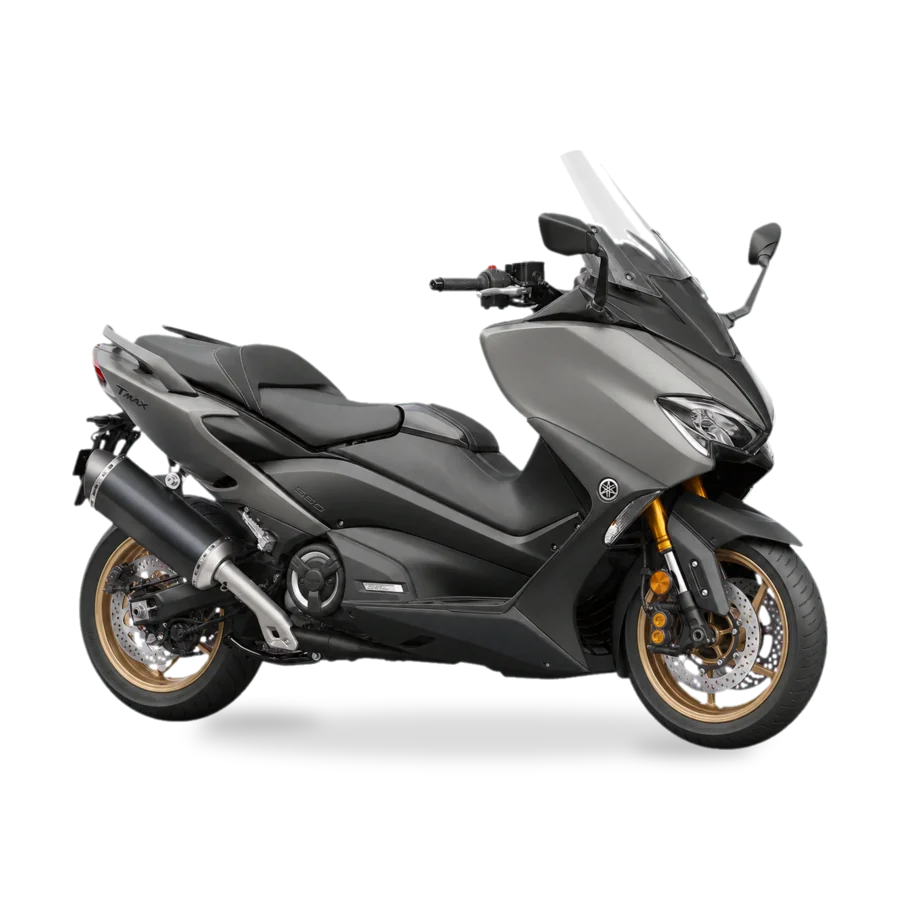


Generations and editions
Features and handling differ by generation. Use this overview to find the right version.
1 variants
Years
2005 - 2008
GTS 250
GenerationThis technical reference row for the GTS 250 combines the available catalogue data: 244 cc, 16 kW, 22 hp, 148 kg. It describes the model reference, but does not necessarily distinguish every production or equipment change. Always verify model year, trim and technical values against the individual motorcycle.
244 cc22 hp
About this model
About the Piaggio GTS 250
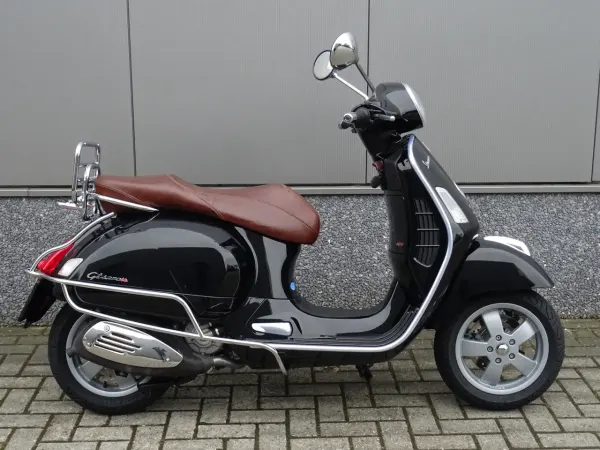
The Piaggio GTS 250 is effectively the Vespa GTS 250 (i.e.), the first large-frame Vespa with electronic fuel injection. It launched in 2005 as part of the Granturismo line with a liquid-cooled 244 cc single, automatic CVT and the classic Vespa steel monocoque frame. At the time it was the most powerful factory Vespa and was popular with riders who wanted the iconic styling combined with motorway capability.
The scooter targets commuters and weekend riders who want comfortable ergonomics, long-range capability and classic looks. A full-face helmet fits under the seat, and the low step-through makes it pillion-friendly. The steel frame is durable but more prone to rust than modern plastic-bodied scooters; the bike is also relatively heavy for its displacement, so acceleration feels less brisk than a comparable modern 300. Production ran until around 2008, when the GTS 300 took over.
- Category
- Scooter
- Production
- 2005 – 2008
- Power
- 22 hp
- Weight
- 148 kg
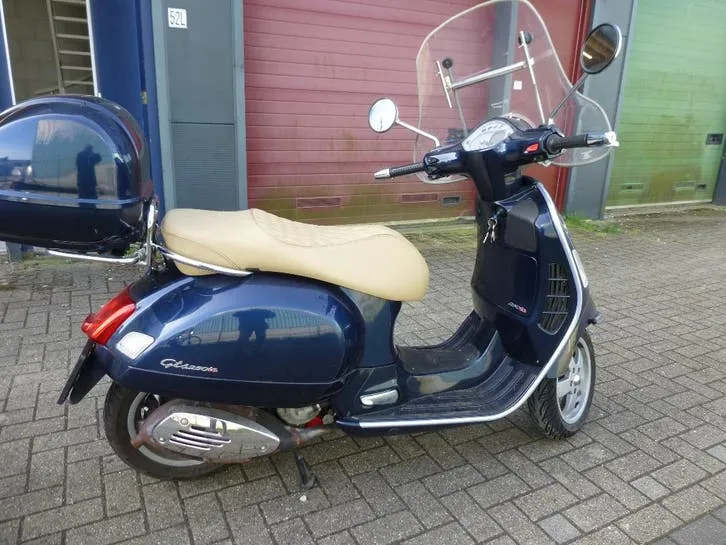
Before you buy
What to check before buying
- Check the steel monocoque frame under the floor panel and along the seam welds for rust; a known weak spot on older Vespa GTSs.
- Inspect the variator rollers, clutch shoes and CVT belt; heavy use wears them faster than expected.
- Watch for rough idling or hesitation when cold; often a fouled injector or worn oxygen sensor.
- Ask whether the water pump and coolant have been replaced recently; overheating quickly damages the cylinder head.
- Check for play in the steering head and rear swingarm bearings; these almost always loosen with age.