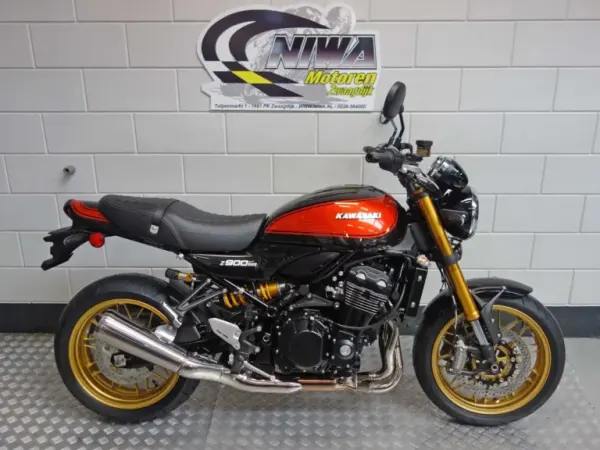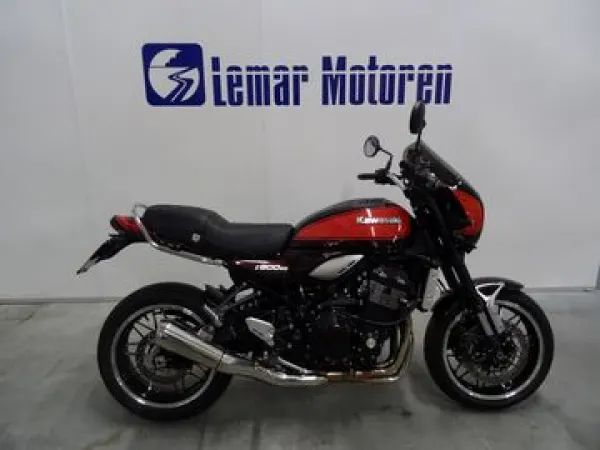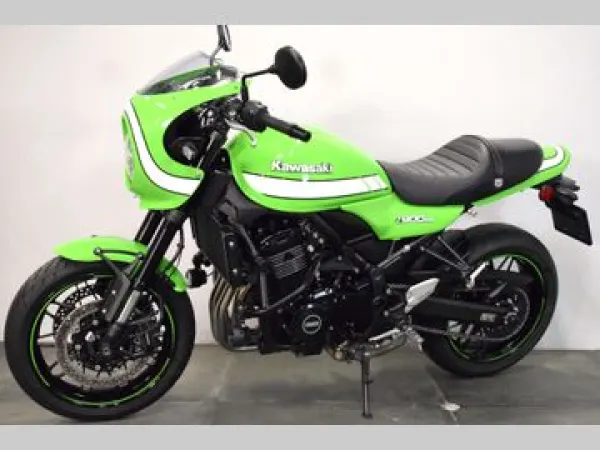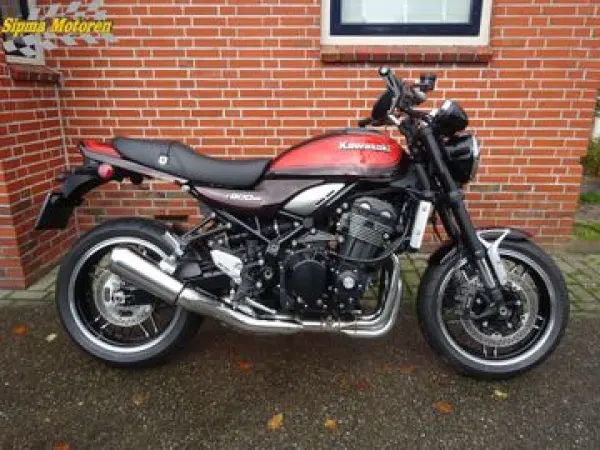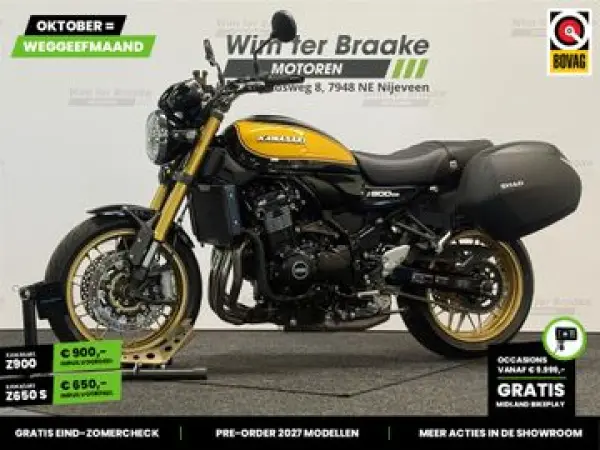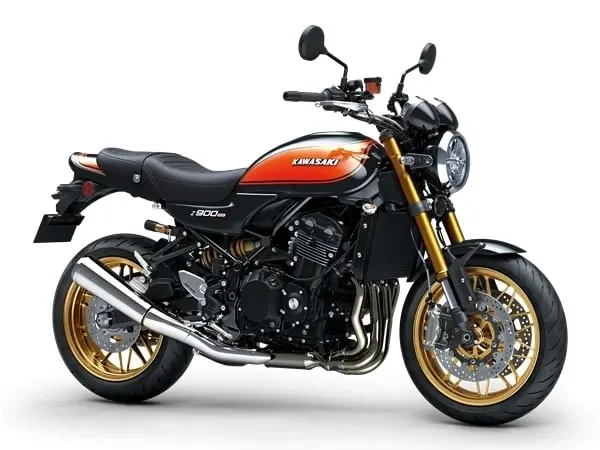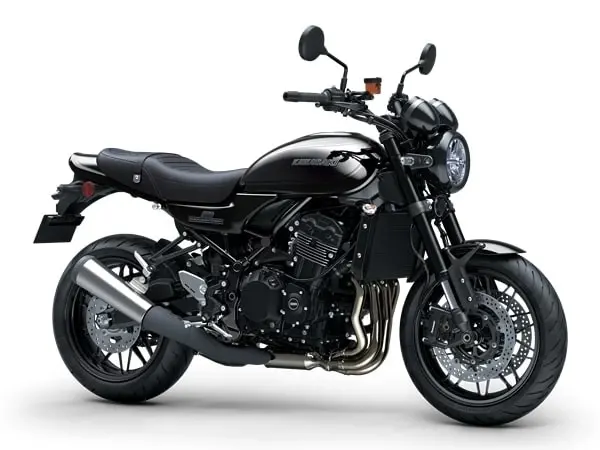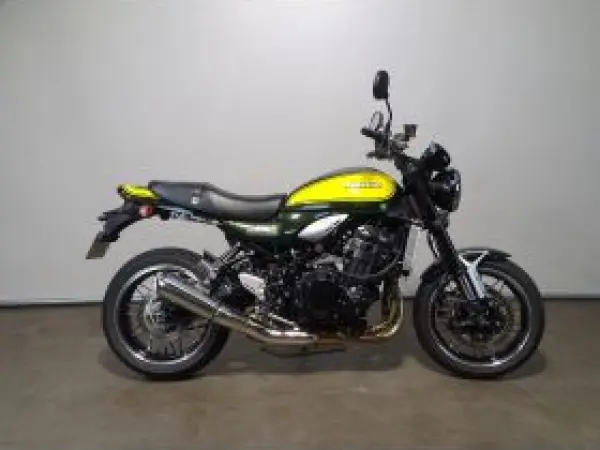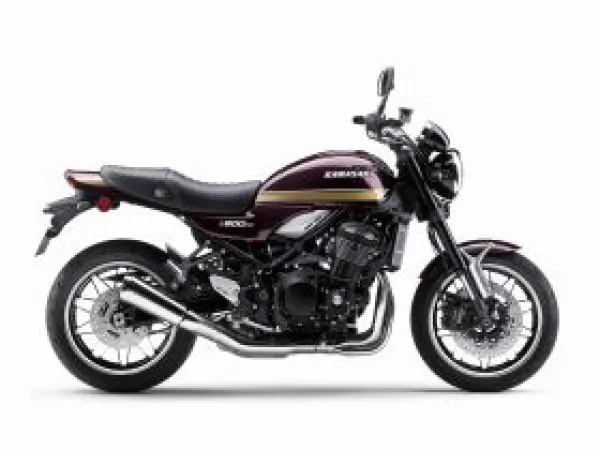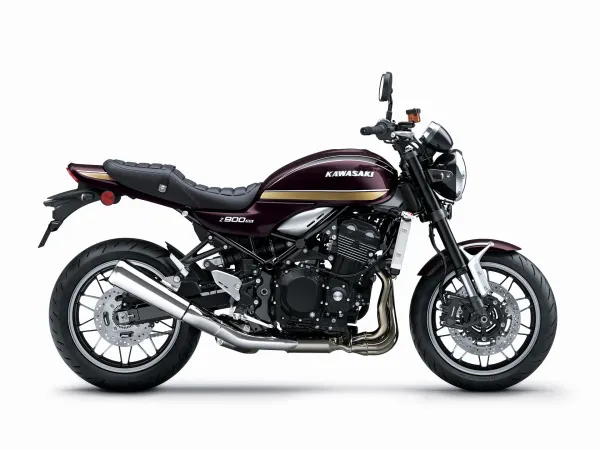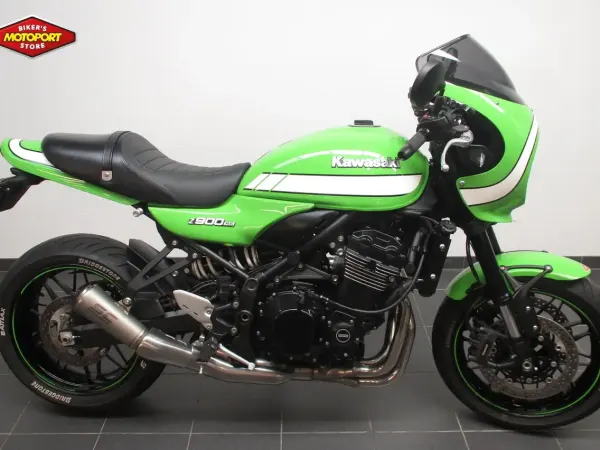
Kawasaki Z 900 RS
€9,990
202014,621 km
MotoPort ZelhemZelhem
Dealer website

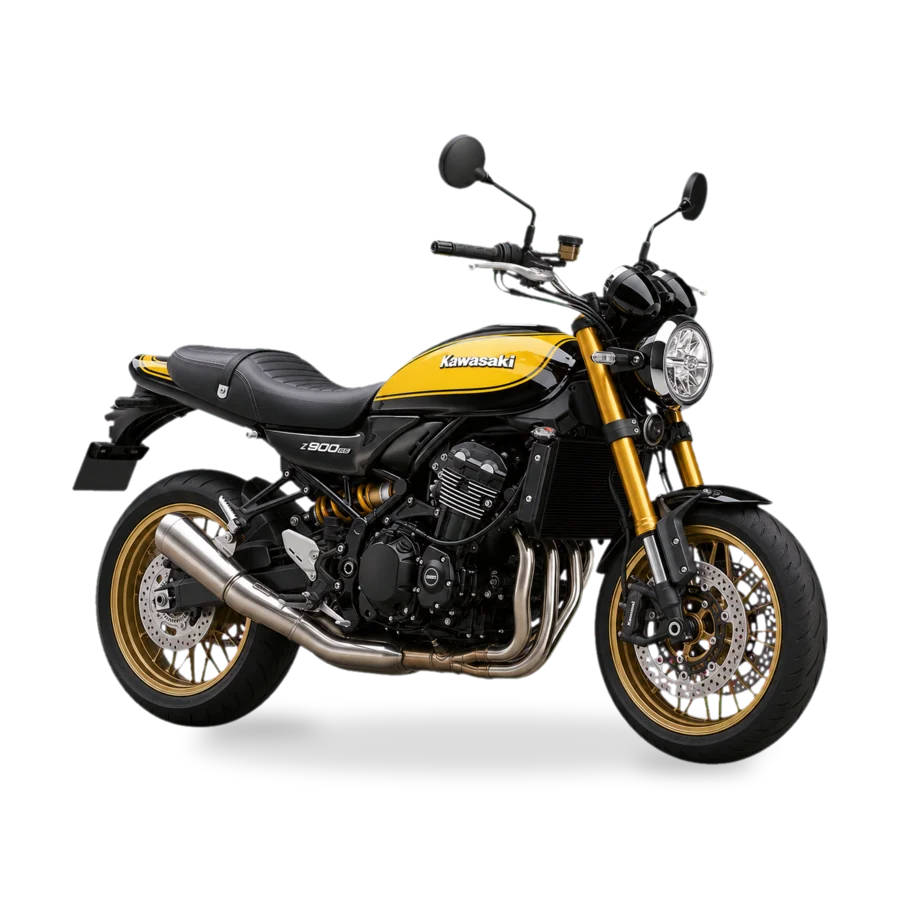
Kawasaki
Z 900 RS
Classic · 948 cc · 111 hp
See typical prices, price changes and important differences.
Choose the model year and mileage for a price guide.
Based on asking prices, not sale prices. Trim, condition, maintenance and warranty still matter.
Based on price data from 7 of the past 12 months.
Used prices are trending down: the typical asking price is €826 lower than in May 2026.
Quick reference values. Model year, generation and trim can differ.
Models in the same category and price range to consider alongside the Z 900 RS.
Features and handling differ by generation. Use this overview to find the right version.
Years2026–present
The updated RS retains the 948 cc four but gains electronic throttle, cruise control, IMU electronics and a revised exhaust. The classic shape remains while controls and rider aids become modern.
948 cc · 111 hp · 4 cyl.
Years2018–2025
The first Z900RS combines the 948 cc four with a round LED headlight, teardrop tank and classic twin-clock cockpit. Café and SE versions differ in fairing, brakes and suspension while sharing the cable-throttle drivetrain.
948 cc · 111 hp · 4 cyl.
The Kawasaki Z 900 RS is the retro naked launched in 2018 on top of the modern Z900 platform. Under the round headlight and teardrop tank sits a liquid-cooled 948 cc inline-four with a reworked tune: more low-end torque (98 Nm at 6,500 rpm) and a 111 hp ceiling, making the RS smoother and more old-school than the sharper Z900. The trellis steel frame, 41 mm USD fork and horizontal rear shock carry over from the Z900, while the handlebar, seat and chrome details quote the 1973 Z1. From 2022 onwards Kawasaki added LED lighting, a refreshed dash and a revised exhaust.
The RS is aimed at riders who would rather cruise than hunt: comfortable upright ergonomics, a low 820 mm seat and an inline-four soundtrack that defines the bike's character. It works for daily commutes and weekend rides, with the broad mid-range torque band pulling cleanly in city traffic. Period rivals are the Yamaha XSR900, Honda CB1000R and Triumph Speed Twin 1200. The Café trim adds clip-ons and a small fairing, the Performance an Akrapovic exhaust. Inspection points are mostly cosmetic: chrome, paintwork and the standard front rim scratch more easily than on the modern Z900.
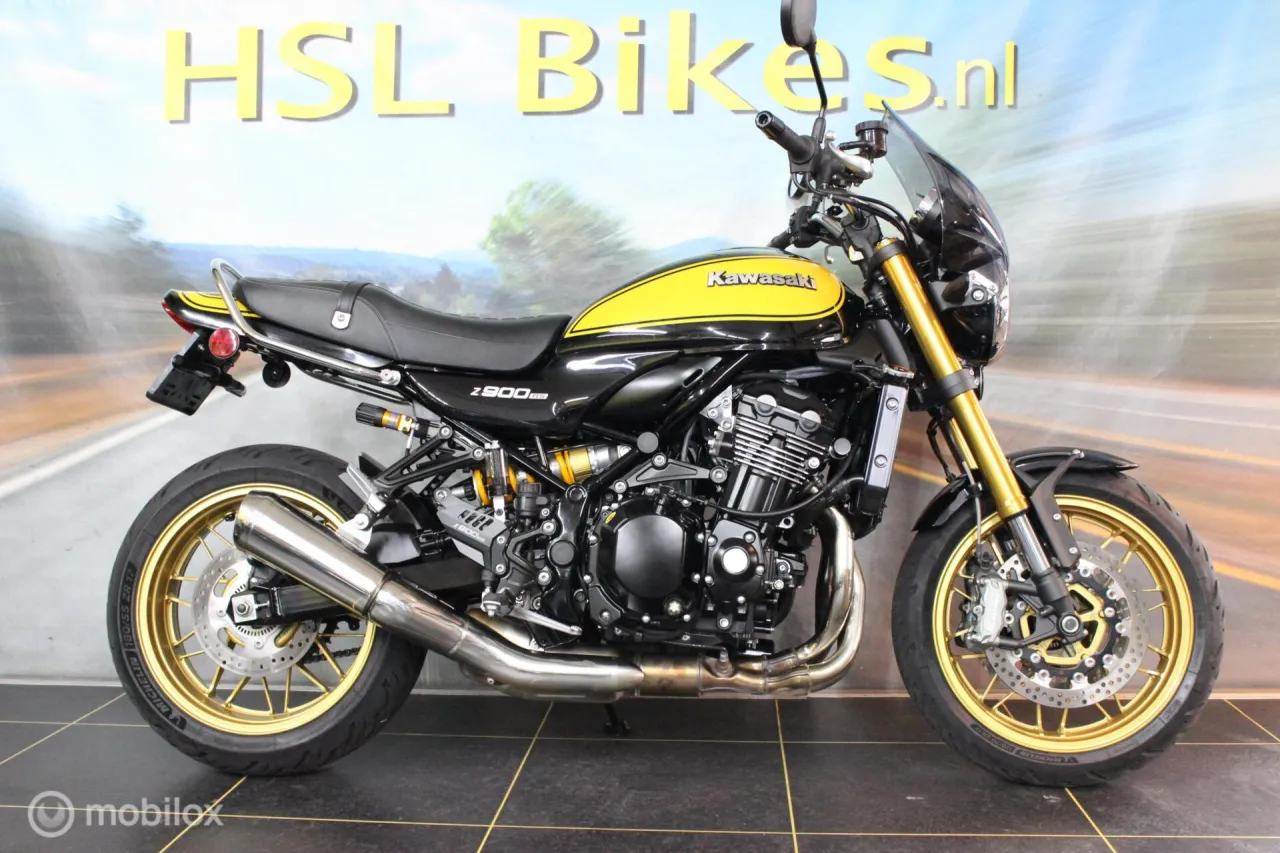
Check the chrome on the exhaust, rear mudguard and mirror stalks for pitting; replacements are expensive and originality matters at resale.
Inspect tank and side-cover paint, especially the Candy Tone Brown; small chips are hard to touch up.
Test the clutch lever for stiffness; on high-mileage examples the OEM clutch can wear out around 30,000 km.
Ask about the last valve-clearance service (every 24,000 km) and whether the spark plugs have been refreshed.
If buying a Performance trim, confirm the original exhaust is included; without it resale becomes harder.
A used Kawasaki Z 900 RS costs €11,624 on average. Most cost €8,749 to €14,649. This is based on 92 motorcycles for sale now.
MotorMonitor now compares 92 used Kawasaki Z 900 RS motorcycles from Dutch sales sites.
The average used Kawasaki Z 900 RS is from 2023 and has done about 8,479 km.
The Kawasaki Z 900 RS produces 110 hp (82 kW).
The Kawasaki Z 900 RS weighs about 216 kg.
The top speed of the Kawasaki Z 900 RS is around 230 km/h.
The seat height of the Kawasaki Z 900 RS is about 835 mm.