AI
Kawasaki
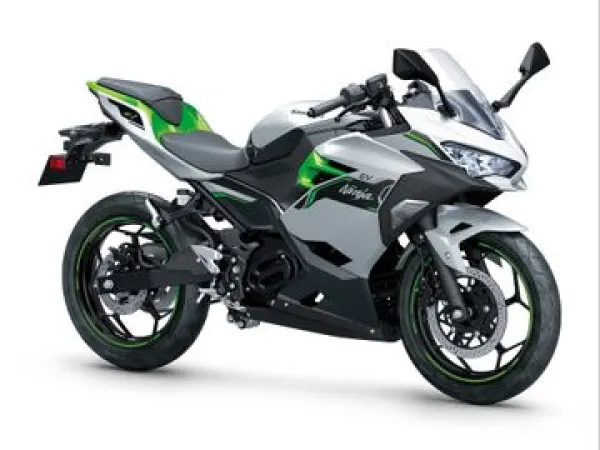
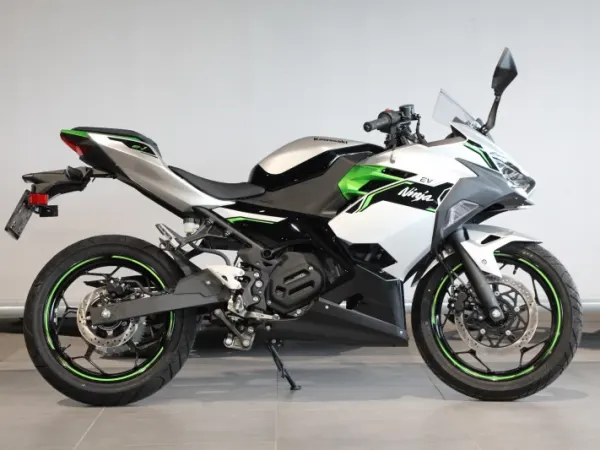
Ninja e-1
Sport
For sale now3 motorcycles
- Power
- 16 hp
- Weight
- 140 kg
- Price range
- €5,872 – €5,999
- Avg. mileage
- 0 km
- Common year
- 2024 · 3 motorcycles
This text was partly made with AI and may contain errors.
What should you pay for a Ninja e-1?
See typical prices, price changes and important differences.
Not enough prices for a useful guide yet
- Typical asking price
- —
- Current prices compared
- 3
This is a guide based on asking prices, not confirmed sale prices.
Price trend+11%
Based on price data from 6 of the past 12 months.
Used prices are trending up: the typical asking price is €604 higher than in May 2026.
Model family
Ninja e-1 at a glance
Quick reference values. Model year, generation and trim can differ.
Power
16 hp · 12 kW
Torque
40 Nm
Category
Sport
Specifications
- Power
- 16 hp · 12 kW
- Torque
- 40 Nm
- Weight
- 140 kg
- Seat height
- 785 mm
- Top speed
- 120 km/h
- Production
- 2023 – present
- Category
- Sport

Comparable models
Also worth considering
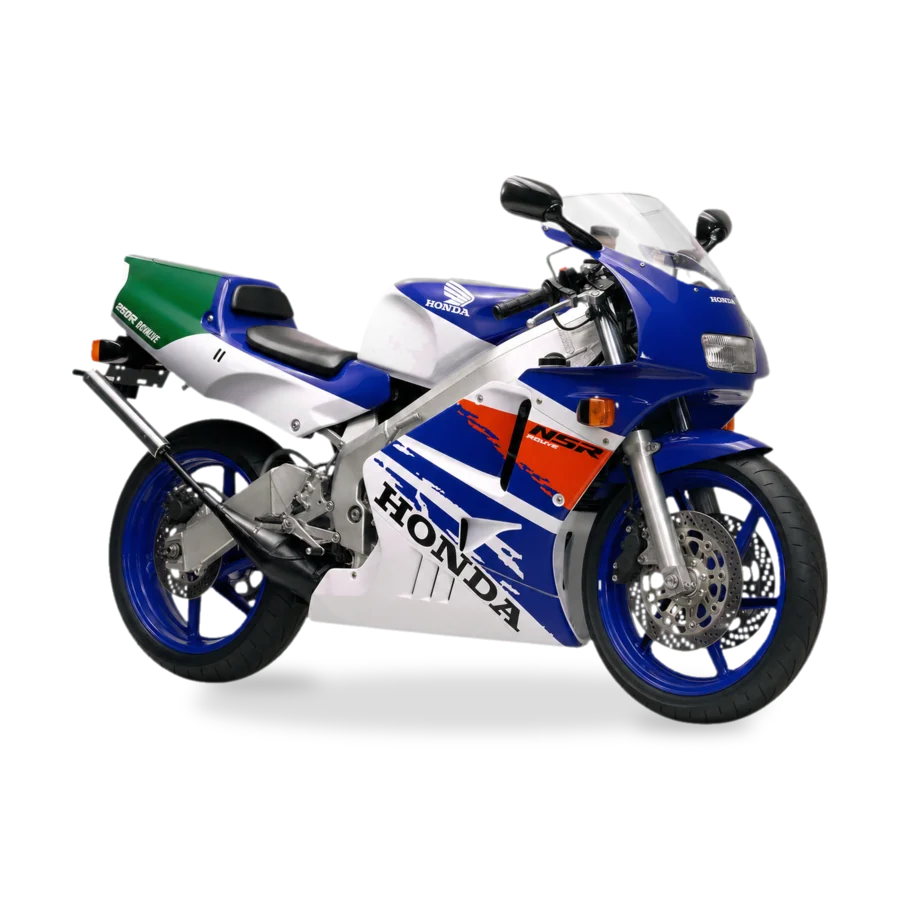
Models in the same category and price range to consider alongside the Ninja e-1.



Generations and editions
Features and handling differ by generation. Use this overview to find the right version.
1 variants
Years
2023 - present
2023–heden · Ninja e-1
GenerationThe Ninja e-1 uses an air-cooled permanent-magnet motor rated at 5 kW with 9 kW peak, fed by two removable 50.4 V/30 Ah batteries. Road mode reaches 88 km/h, or 105 km/h temporarily with e-Boost; Eco limits speed further. At 140 kg including batteries and with A1 eligibility, it is a city and regional motorcycle, not a petrol equivalent for 120 km/h cruising.
7 hpA2 suitable
About this model
About the Kawasaki Ninja e-1
The Kawasaki Ninja e-1 is Kawasaki's lightweight electric commuter motorcycle, with Ninja bodywork, two removable lithium-ion batteries and a fixed reduction rather than a conventional gearbox. The motor delivers 5 kW rated and 9 kW peak output, with e-Boost for temporary extra acceleration and speed. It is A1 compliant, weighs around 140 kg with batteries and is designed for city and short regional trips, not as a replacement for a 400 cc sport bike on long motorway journeys.
On a used purchase, the two batteries, chargers and charging history matter as much as the motorcycle itself. The Ninja e-1 has Road and Eco modes, regenerative deceleration, Walk Mode with reverse and a TFT display. Check both batteries, their locks, charging contacts and fault messages. Range and top speed depend strongly on mode, e-Boost, temperature and riding style; do not compare a laboratory figure with a promised daily motorway distance.
- Category
- Sport
- Production
- 2023 – present
- Power
- 16 hp
- Weight
- 140 kg
Before you buy
What to check before buying
- Check that both removable batteries, both keys/locks and their chargers are present; missing components are costly and immediately limit use.
- Test charging of both packs, charge contacts, battery locks and TFT display for warnings or intermittent connections.
- Check actual remaining charge, charging behaviour and any dealer battery-health diagnosis; range depends on use.
- Try Road, Eco, e-Boost and Walk Mode only safely: unusual power limitation or warnings need investigation before purchase.
- Inspect chain, brakes, tyres, radiator/motor-cooling openings and plastic bodywork for city and parking damage.
Frequently asked questions
Frequently asked questions about the Kawasaki Ninja e-1
What does a used Kawasaki Ninja e-1 cost?
A used Kawasaki Ninja e-1 costs €5,999 on average. Most cost €5,872 to €5,999. This is based on 3 motorcycles for sale now.
How many used Kawasaki Ninja e-1 are for sale?
MotorMonitor now compares 3 used Kawasaki Ninja e-1 motorcycles from Dutch sales sites.
What year and mileage does an average used Kawasaki Ninja e-1 have?
The average used Kawasaki Ninja e-1 is from 2024 and has done about 0 km.