
Kawasaki
CruiserEliminator 500
Compare 59 current Kawasaki Eliminator 500 listings across different model years and sales channels.
AI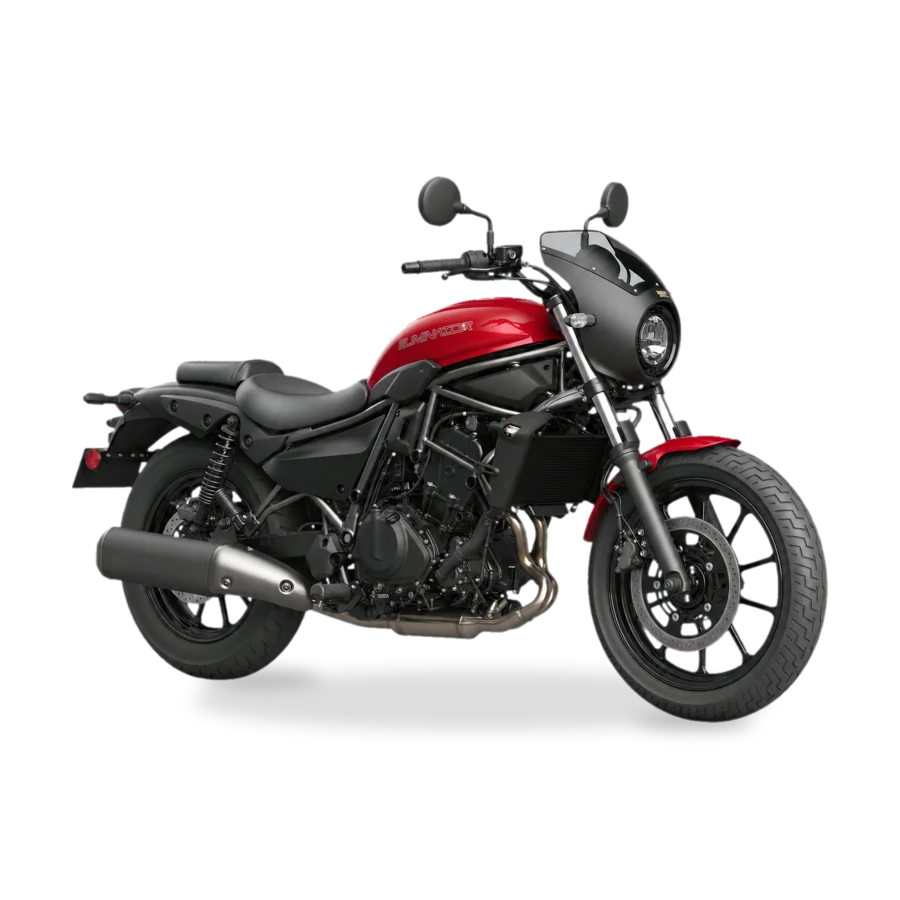
Kawasaki
Eliminator 500
Cruiser · 451 cc
Currently for sale59 motorcycles
- Engine
- 451 cc
- Power
- 45 hp
- Weight
- 176 kg
- Price range
- €6,627 – €7,899
- Avg. mileage
- 986 km
- Common year
- 2026 · 53 motorcycles
This content was partially generated with AI and may contain inaccuracies.
What should you pay for a Eliminator 500?
See the typical asking prices, how prices are changing and which differences between listings matter.
What is a typical asking price?
Choose the model year and mileage for a focused comparison.
Finding comparable motorcycles…
Based on asking prices, not sale prices. Trim, condition, maintenance and warranty still matter.
Price trend-3%
Based on price data from 4 of the past 12 months.
Used prices are trending down: the typical asking price is €249 lower than in June 2026.
Model family
Eliminator 500 at a glance
Quick reference values. Model year, generation and trim can differ.
Displacement
451 cc
Power
45 hp · 33 kW
Torque
43 Nm
Category
Cruiser
Specifications
- Displacement
- 451 cc
- Power
- 45 hp · 33 kW
- Torque
- 43 Nm
- Weight
- 176 kg
- Seat height
- 735 mm
- Fuel capacity
- 13 l
- Top speed
- 170 km/h
- Production
- 2023 – present
- Category
- Cruiser
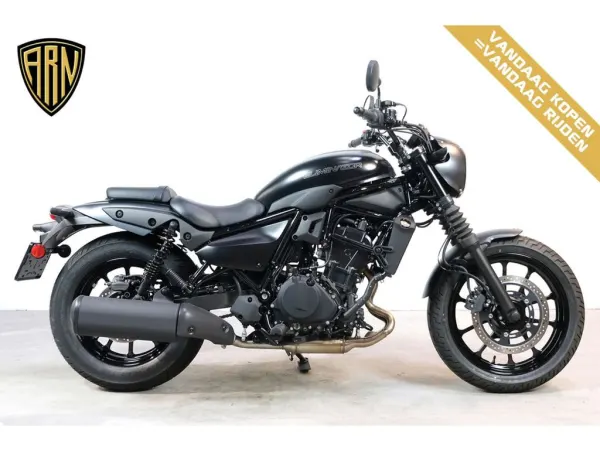
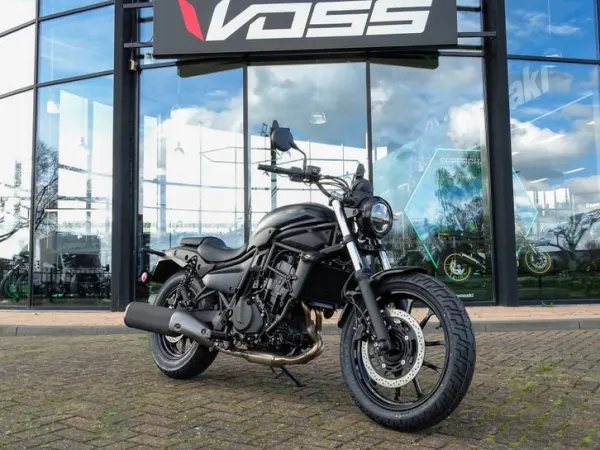
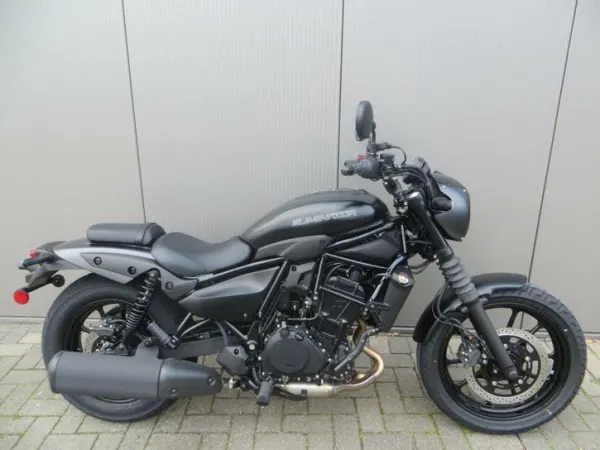
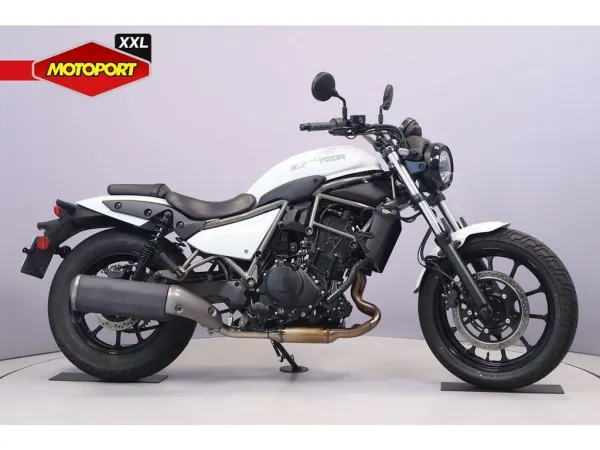
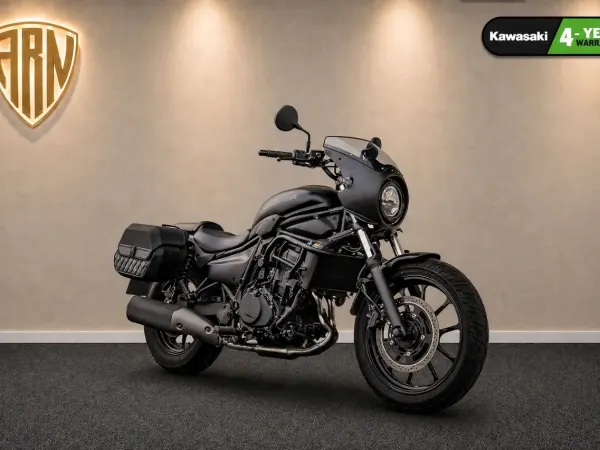
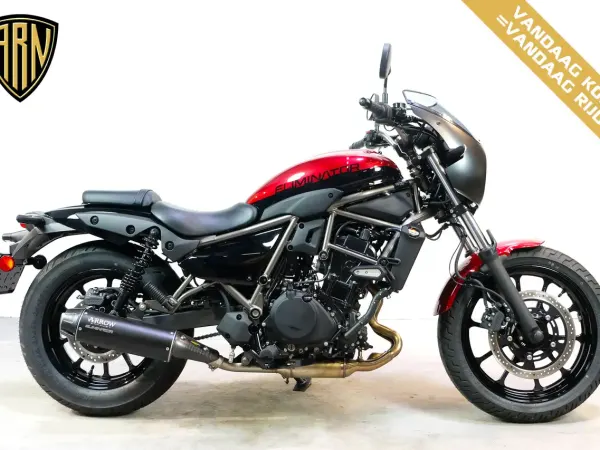
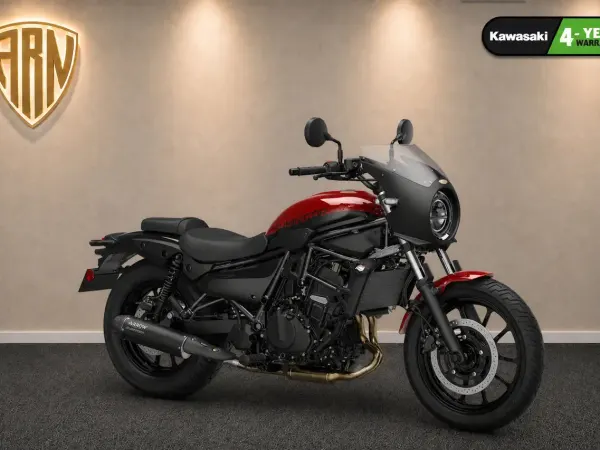
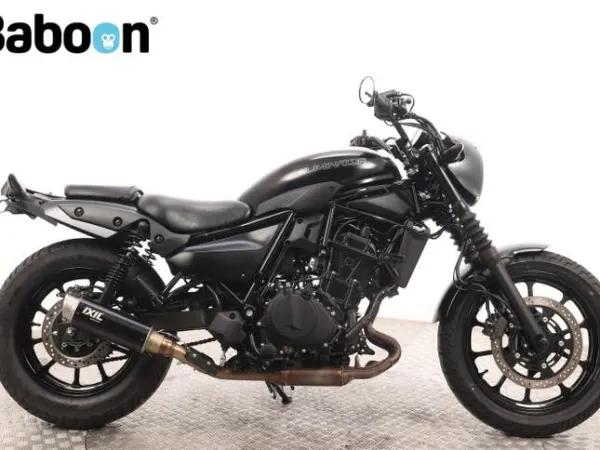
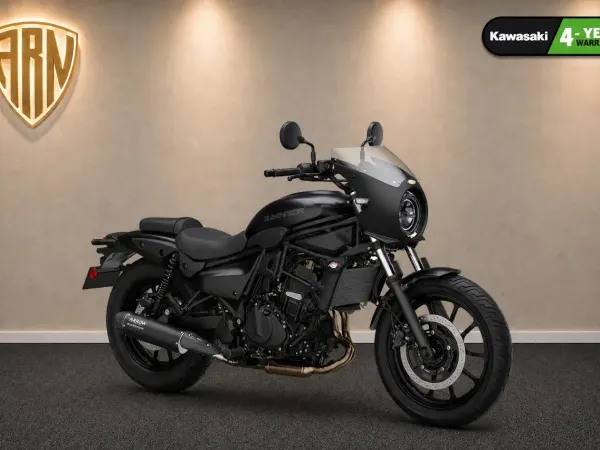
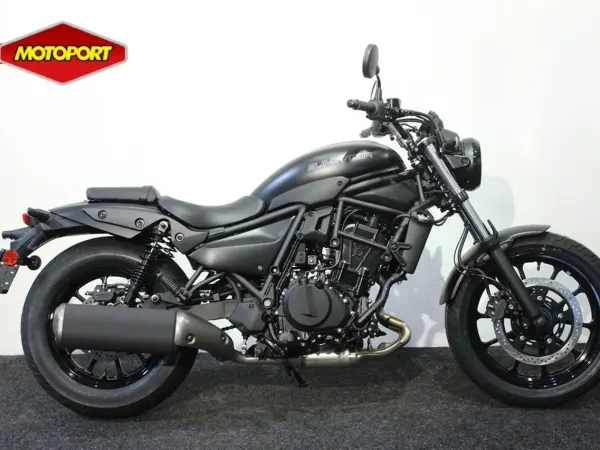
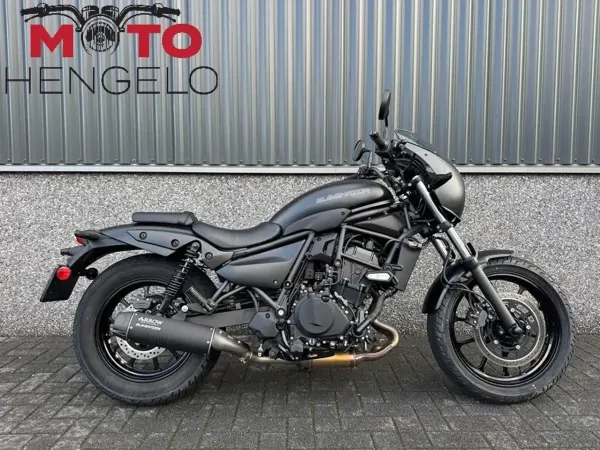
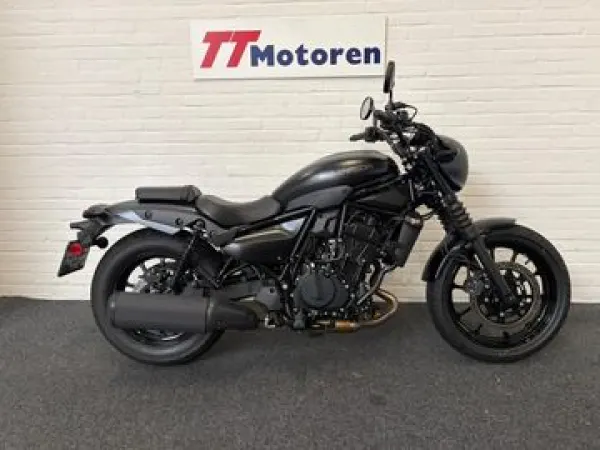
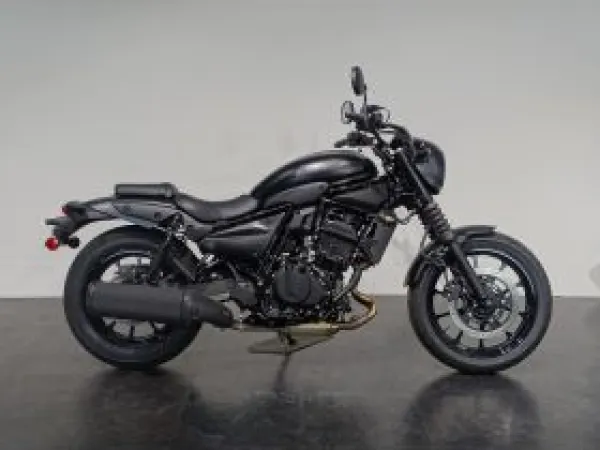
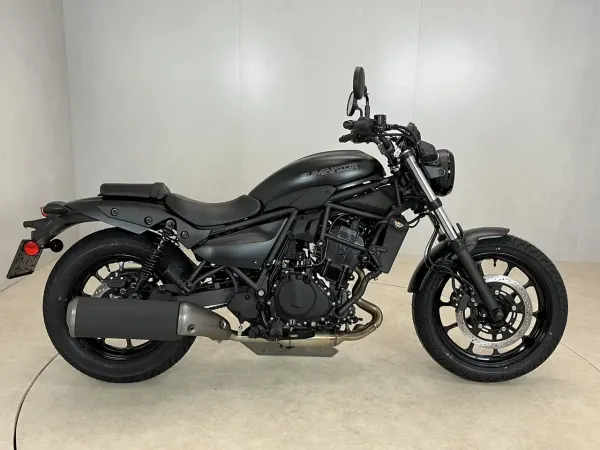
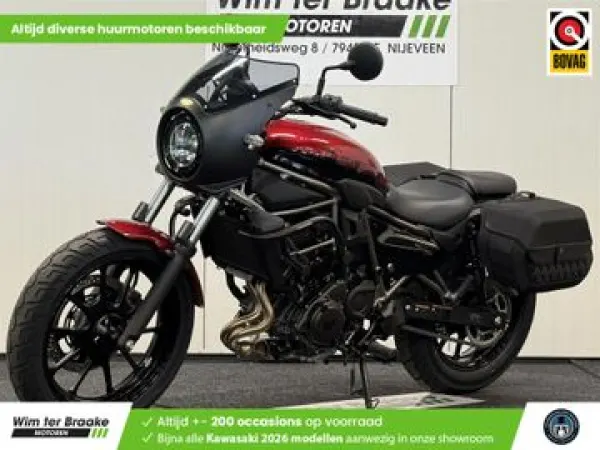
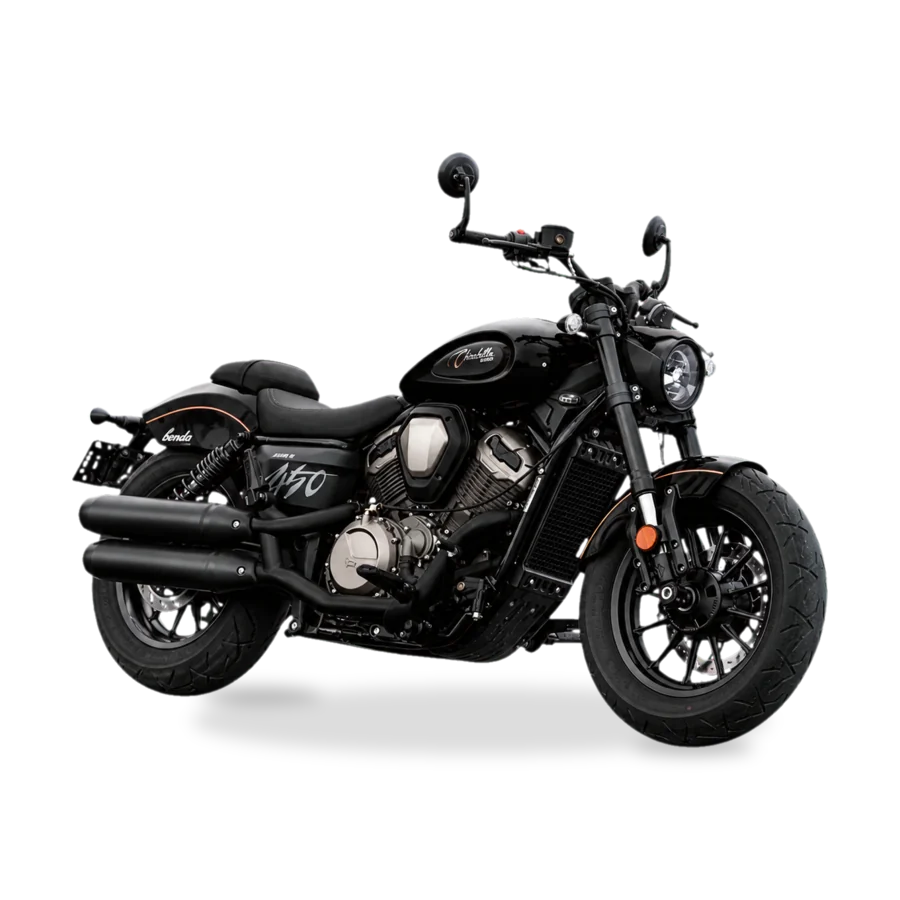
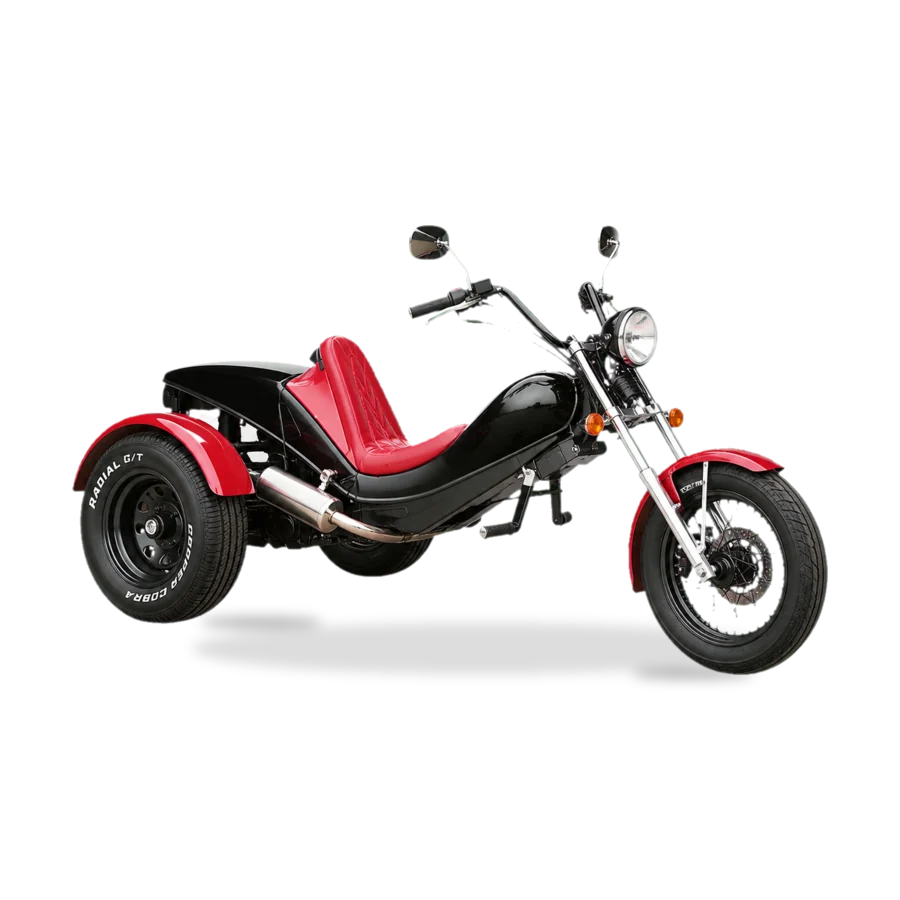
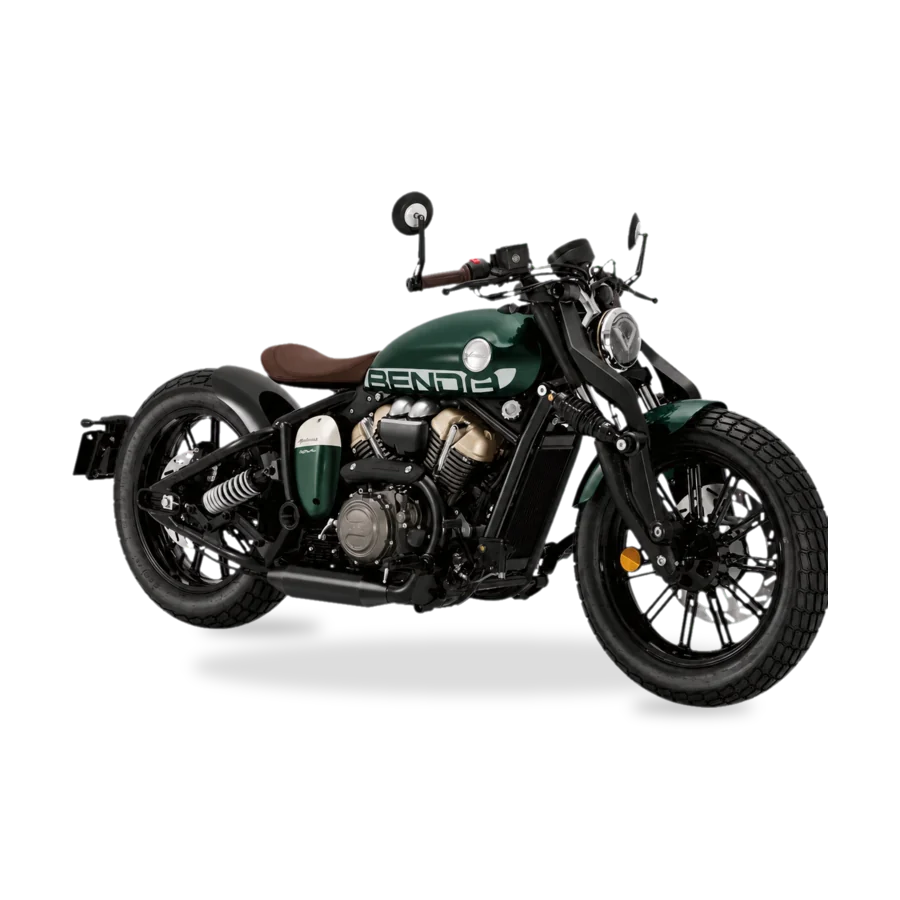
Comparable models
Also worth considering
Models in the same category and price range to consider alongside the Eliminator 500.


Generations and editions
Specs, riding character and visual clues can change sharply between generations. Use this overview to match listings to the right version.
2 variants
Years
2023 - present
Eliminator 500 SE
EditionThe SE retains the same 451 cc drivetrain and adds items including cowl, USB-C and specific finish. It is an equipment trim rather than a different engine; original SE parts are the identifiers.
451 cc45 hp2 cyl.A2 suitable
Years
2023 - present
Eliminator 500
GenerationThe returning Eliminator is a light 451 cc parallel-twin sport cruiser with a low seat and A2 power. The standard version is the base; check chain, suspension and corrosion on daily-used examples.
451 cc45 hp2 cyl.A2 suitable
About this model
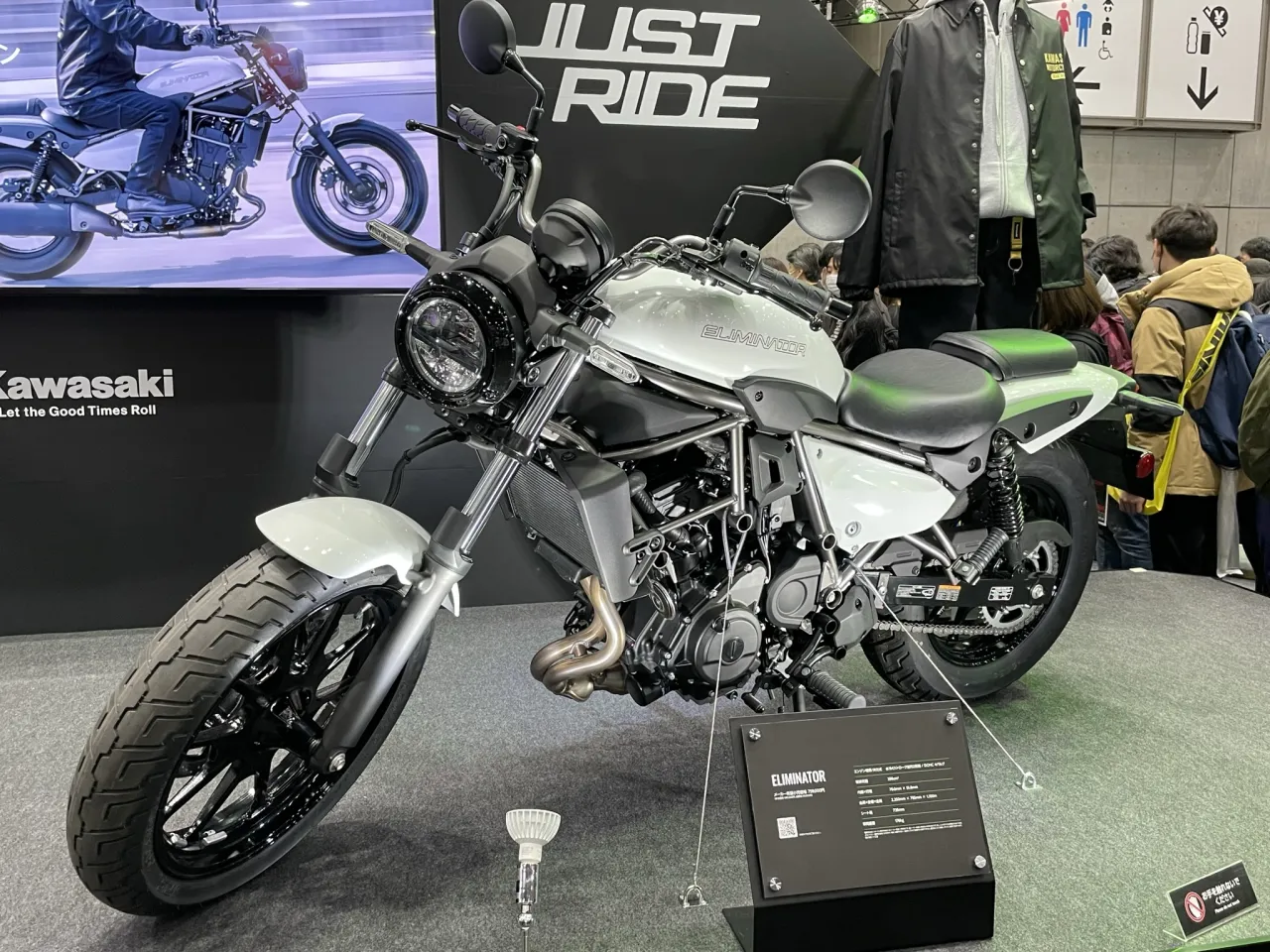
About the Kawasaki Eliminator 500
The Kawasaki Eliminator 500 is a light sport-cruiser that returned worldwide in 2023, built around a 451 cc parallel-twin derived from the Ninja 400/Z400. The standard model produces about 33.4 kW (45 hp) and 42.6 Nm, which keeps it within the European A2 licence limit. A long 1,520 mm wheelbase, 18-inch front wheel and laid-back ergonomics make it stable on motorways and B-roads, while the low 735 mm seat and roughly 176 kg dry weight make it approachable for shorter riders and returners.
The Eliminator 500 targets urban riders and relaxed weekend trips without the heavy feel of a traditional cruiser. The twin still revs cleanly, and ABS plus LED lighting come as standard; an SE trim adds USB-C, fork boots and a small headlight cowl. Direct rivals are the Honda Rebel 500 and Royal Enfield Super Meteor 650; compared with classic V-twin cruisers the Eliminator is noticeably lighter and more agile.
- Category
- Cruiser
- Production
- 2023 – present
- Power
- 45 hp
- Weight
- 176 kg
Before you buy
What to check before buying
- Check that the soft cruiser suspension doesn't bottom out with a passenger or luggage; rear preload adjustment is limited.
- Inspect chrome trim and the silencer for corrosion; early examples have already seen a few Dutch winters.
- Ask about chain-and-sprocket service; the long wheelbase eats chains if maintenance is skipped.
- Test the slipper clutch from a cold start for any drag or notchy take-up.
- Confirm the LED headlight housing is condensation-free and all DRL/indicator functions work.
Frequently asked questions
Frequently asked questions about the Kawasaki Eliminator 500
What does a used Kawasaki Eliminator 500 cost?
A used Kawasaki Eliminator 500 costs on average €7,250 on MotorMonitor. Most examples fall between €6,627 and €7,899, based on 59 motorcycles currently for sale.
How many used Kawasaki Eliminator 500 are for sale?
MotorMonitor currently compares 59 used Kawasaki Eliminator 500 motorcycles, gathered from several Dutch marketplaces and dealer sites.
What year and mileage does an average used Kawasaki Eliminator 500 have?
The average used Kawasaki Eliminator 500 is from 2026 and has around 986 km on the odometer, based on the current supply.