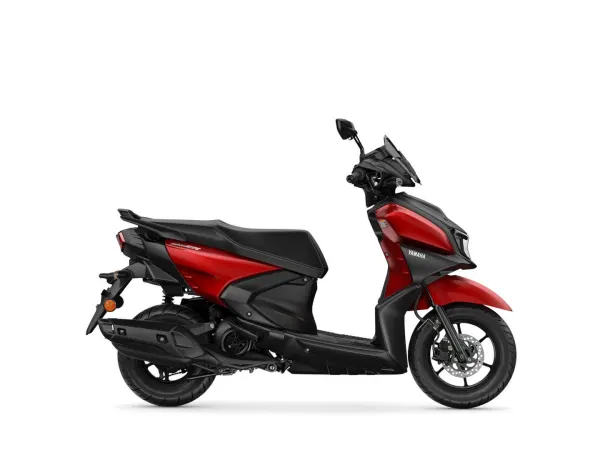
Yamaha Rayzr
ViaBOVAG.nlMotorOccasion.nlAutoScout24.nl

Honda
SH 100
Scooter · 96 cc
See typical prices, price changes and important differences.
This is a guide based on asking prices, not confirmed sale prices.
We are still collecting prices. The trend appears when we have enough months.
Quick reference values. Model year, generation and trim can differ.
Displacement
96 cc
Power
8 hp · 6 kW
Category
Scooter
Models in the same category and price range to consider alongside the SH 100.
Features and handling differ by generation. Use this overview to find the right version.
Years
1996 - 2001
The early 100cc SH is the simple carburetted large-wheel version. Verify the actual type approval, as markets and production years differ.
The Honda SH100 is an early member of Honda's large-wheel SH scooter family. Its compact four-stroke single and 16-inch wheels identify it as practical town transport long before the SH125i became a staple. Exact specification varies by market and year, so displacement, type plate and registration should be checked carefully.
Buying an SH100 is mainly about simple mobility and the stability that large wheels bring on poor road surfaces. It is not a modern fuel-injected scooter: service history, carburetion condition and consumable-parts availability matter more than a low odometer reading. An original, sound-running scooter is normally more appealing than a cosmetic restoration with uncertain mechanical condition.