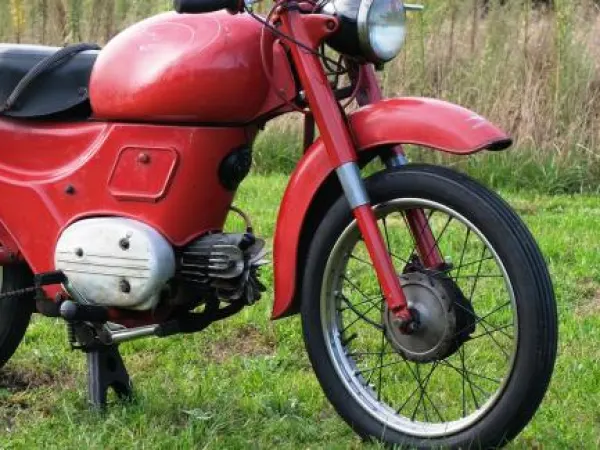
Moto Guzzi Zigolo 110cc
Dealer website
Yamaha
RX 80
Classic · 79 cc
See typical prices, price changes and important differences.
This is a guide based on asking prices, not confirmed sale prices.
We are still collecting prices. The trend appears when we have enough months.
Quick reference values. Model year, generation and trim can differ.
Displacement
79 cc
Power
8 hp · 6 kW
Category
Classic
Models in the same category and price range to consider alongside the RX 80.
Features and handling differ by generation. Use this overview to find the right version.
Years
1977 - 1983
The RX 80 is the lightweight air-cooled 80cc two-stroke. In particular, verify that it is registered as a motorcycle and remains complete.
The Yamaha RX 80 is a small air-cooled two-stroke from the late 1970s and early 1980s. At around 80cc it is light, simple and primarily attractive as a classic for buyers seeking an original small-capacity motorcycle. It does not offer larger RD performance, but it needs the same attention to fuel supply, correct lubrication and crankshaft health.
Buy an RX 80 on completeness and paperwork. Small machines are often modified, used as mopeds or stored for long periods. Check engine and frame numbers, compression, oil or premix system, tank and exhaust. Brakes, tyres and lighting deserve as much attention as the engine. An original, well-running RX 80 is more enjoyable and more valuable than a project with missing parts.