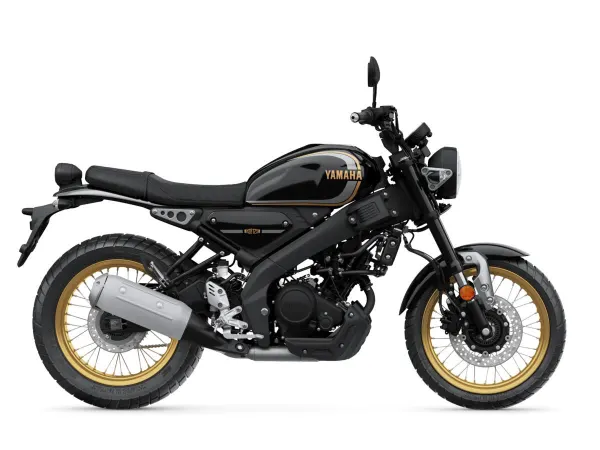
Yamaha XSR 125
ViaBOVAG.nlMotorOccasion.nlAutoScout24.nlMarktplaats.nl

Yamaha
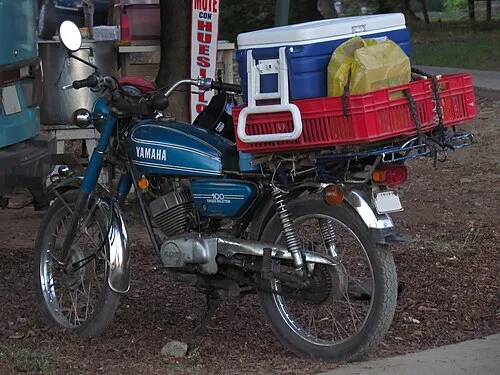
RS 100
Classic · 95 cc
See typical prices, price changes and important differences.
This is a guide based on asking prices, not confirmed sale prices.
Based on price data from 2 of the past 12 months.
The typical asking price has barely changed since July 2026.
Quick reference values. Model year, generation and trim can differ.
Displacement
95 cc
Power
10 hp · 7 kW
Category
Classic
Models in the same category and price range to consider alongside the RS 100.
Features and handling differ by generation. Use this overview to find the right version.
Years
1977 - present
The RS 100 is a lightweight classic two-stroke of about 95cc. Verify year and registration data because small import and market variants can differ.
The Yamaha RS 100 is a light classic 100cc two-stroke for relaxed recreational use. RDW data indicates roughly 95cc and modest output, so it is not a miniature RD but a simple lightweight machine for collectors and fans of small Japanese two-strokes. Low weight and straightforward mechanics are appealing, but parts supply and a sound starting point matter more than performance.
When viewing, confirm matching engine and frame numbers, a clean tank interior and complete oil and fuel systems. Given the age, wiring, brakes, tyres and rubber parts may need more attention than the engine itself. An original RS 100 is more desirable than a converted moped or a project with unclear paperwork.