AI

Yamaha
R 5
Classic · 347 cc
- Engine
- 347 cc
- Power
- 36 hp
- Weight
- 159 kg
This text was partly made with AI and may contain errors.
What should you pay for a R 5?
See typical prices, price changes and important differences.
Not enough prices for a useful guide yet
- Typical asking price
- —
- Current prices compared
- 0
This is a guide based on asking prices, not confirmed sale prices.
Asking prices
—typical asking price
We are still collecting prices. The trend appears when we have enough months.
Model family
R 5 at a glance
Quick reference values. Model year, generation and trim can differ.
Displacement
347 cc
Power
36 hp · 27 kW
Category
Classic
Specifications
- Displacement
- 347 cc
- Power
- 36 hp · 27 kW
- Weight
- 159 kg
- Seat height
- 780 mm
- Top speed
- 170 km/h
- Production
- 1970 – 1972
- Category
- Classic
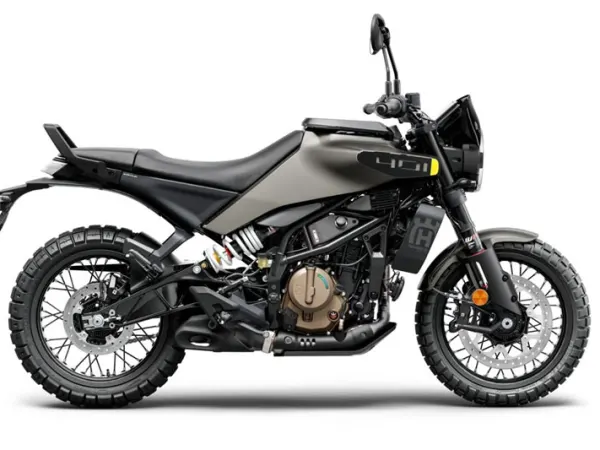
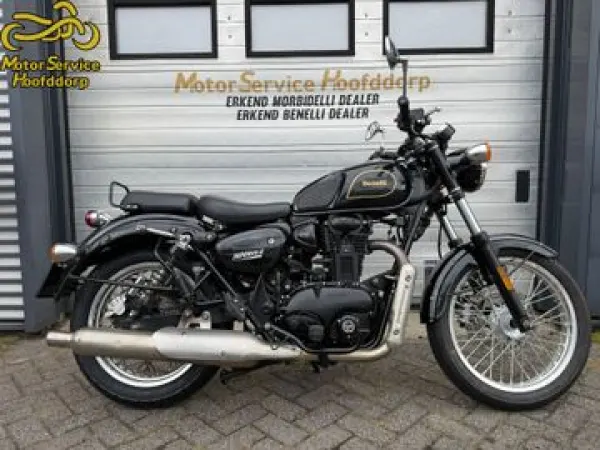
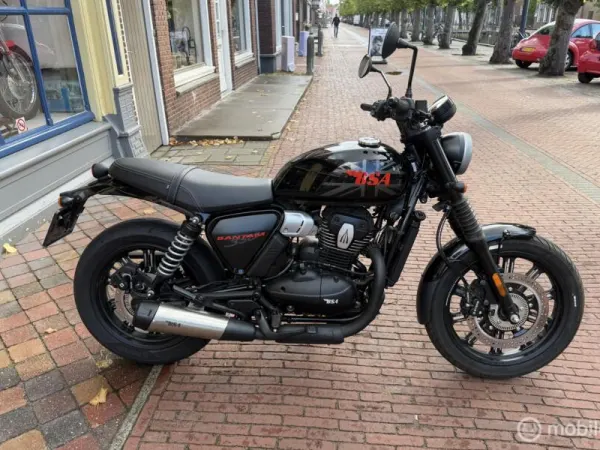
Comparable models
Also worth considering
Models in the same category and price range to consider alongside the R 5.


Generations and editions
Features and handling differ by generation. Use this overview to find the right version.
1 variants
Years
1970 - 1972
1970–1972 R5
GenerationThe original 350cc R5 directly predates the RD350. Identify it by its air-cooled twin and drum brakes; buy on mechanical health and originality.
347 cc36 hp2 cyl.
About this model
About the Yamaha R 5
The Yamaha R5 is a compact, air-cooled 350cc two-stroke twin from the early 1970s. It predates the RD350 and is recognised by its simple period styling, drum brakes and twin exhausts. The lively parallel twin makes its power high in the rev range, so correct oil-injection and carburettor set-up matter more than a low indicated mileage.
It suits an enthusiast looking for a light classic tourer or a carefully restored project. Do not expect modern braking or chassis stability; the appeal is direct engine character and relatively accessible mechanical design. Buy on originality, crankshaft and bore condition, and the availability of correct exhaust, ignition and body parts.
- Category
- Classic
- Production
- 1970 – 1972
- Power
- 36 hp
- Weight
- 159 kg
Before you buy
What to check before buying
- Check crank seals and main bearings for air leaks, rumbling or an unstable idle.
- Verify that the Autolube oil pump is correctly adjusted and that its hoses are not old or hardened.
- Inspect carburettors, float needles and tank for corrosion; long storage often causes fuel problems.
- Check drum brakes, spokes and rims for wear, corrosion and correct trueness.