AI

Yamaha
DS 5
Classic · 246 cc
- Engine
- 246 cc
- Power
- 30 hp
- Weight
- 151 kg
This text was partly made with AI and may contain errors.
What should you pay for a DS 5?
See typical prices, price changes and important differences.
Not enough prices for a useful guide yet
- Typical asking price
- —
- Current prices compared
- 0
This is a guide based on asking prices, not confirmed sale prices.
Asking prices
—typical asking price
We are still collecting prices. The trend appears when we have enough months.
Model family
DS 5 at a glance
Quick reference values. Model year, generation and trim can differ.
Displacement
246 cc
Power
30 hp · 22 kW
Category
Classic
Specifications
- Displacement
- 246 cc
- Power
- 30 hp · 22 kW
- Weight
- 151 kg
- Fuel capacity
- 12 l
- Top speed
- 140 km/h
- Production
- 1967 – 1968
- Category
- Classic
Comparable models
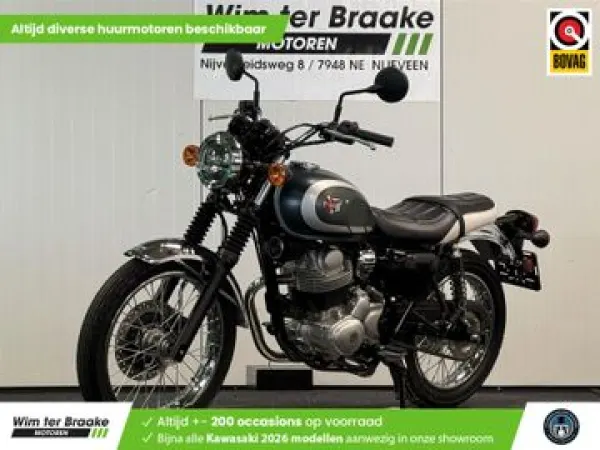
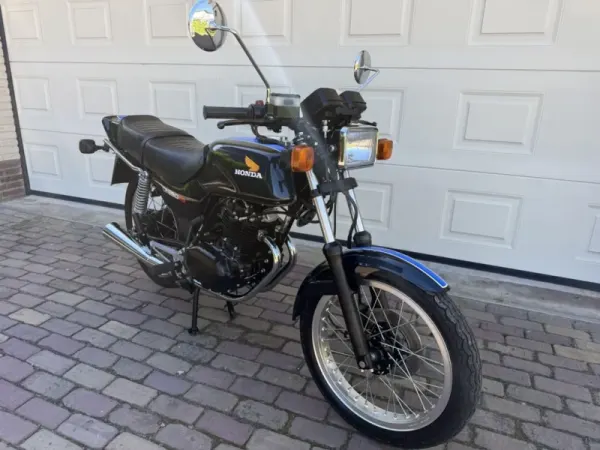
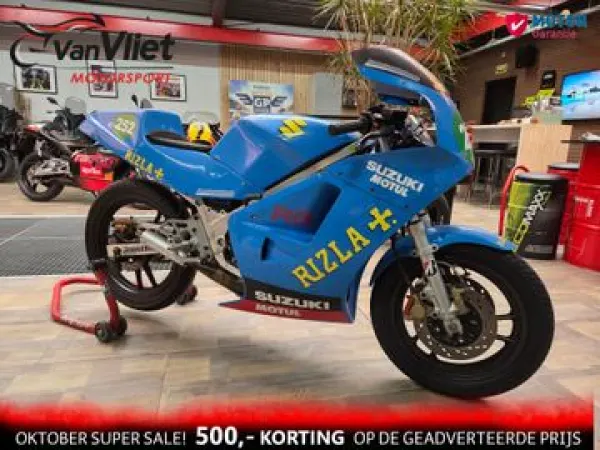
Also worth considering
Models in the same category and price range to consider alongside the DS 5.


Generations and editions
Features and handling differ by generation. Use this overview to find the right version.
1 variants
Years
1967 - 1968
1967–1968 · DS 5
GenerationThe DS 5 is Yamaha's early 246cc air-cooled two-stroke twin. Buy on completeness and evidence of crankshaft and oil-pump work.
246 cc30 hp2 cyl.A2 suitable
About this model
About the Yamaha DS 5
The Yamaha DS 5 is an early air-cooled 250cc two-stroke twin from the 1960s and an important step towards Yamaha's later RD family. It has simple steel construction, drum brakes and an engine that comes alive higher in the rev range. A DS 5 is now a genuine restoration classic; originality and the availability of model-specific parts matter more than outright performance.
Choose the most complete example you can find. Check that engine, exhausts, carburettors, side panels and instruments belong to the model, as replacements are not always easy to source. Crank seals, the oil pump and tank condition are the technical essentials. A carefully rebuilt DS 5 is a light historical weekend bike; riders wanting maintenance-free use are usually better served by a younger classic.
- Category
- Classic
- Production
- 1967 – 1968
- Power
- 30 hp
- Weight
- 151 kg
Before you buy
What to check before buying
- Check compression, crank noise and seals; an air leak is harmful to an old two-stroke.
- Inspect the Autolube pump, lines and oil tank for leaks or blockage.
- Inspect tank, exhausts and spokes for internal corrosion and assess chrome condition.
- Test drum brakes, cables, dynamo and ignition; storage often causes electrical faults.