
Vespa
ScooterPrimavera 150 3V
Compare Vespa Primavera 150 3V listings from different years and sales sites.
AI

Vespa
Primavera 150 3V
Scooter · 155 cc
- Engine
- 155 cc
- Power
- 13 hp
This text was partly made with AI and may contain errors.
What should you pay for a Primavera 150 3V?
See typical prices, price changes and important differences.
Not enough prices for a useful guide yet
- Typical asking price
- —
- Current prices compared
- 0
This is a guide based on asking prices, not confirmed sale prices.
Asking prices
—typical asking price
We are still collecting prices. The trend appears when we have enough months.
Model family
Primavera 150 3V at a glance
Quick reference values. Model year, generation and trim can differ.
Displacement
155 cc
Power
13 hp · 10 kW
Category
Scooter
Specifications
- Displacement
- 155 cc
- Power
- 13 hp · 10 kW
- Production
- 2013 – 2016
- Category
- Scooter
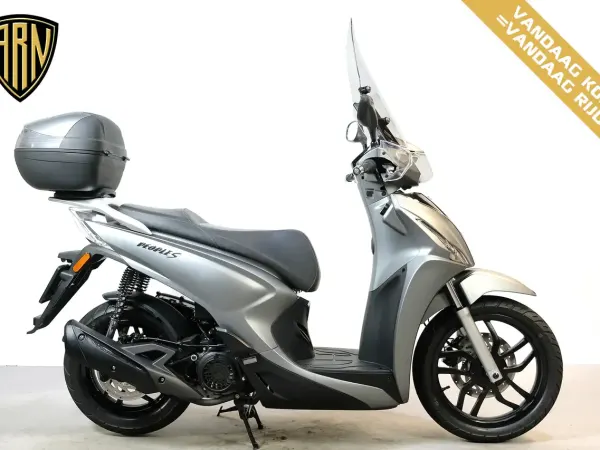
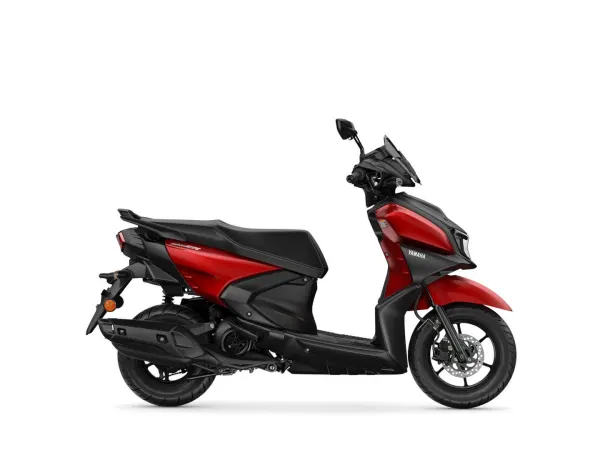
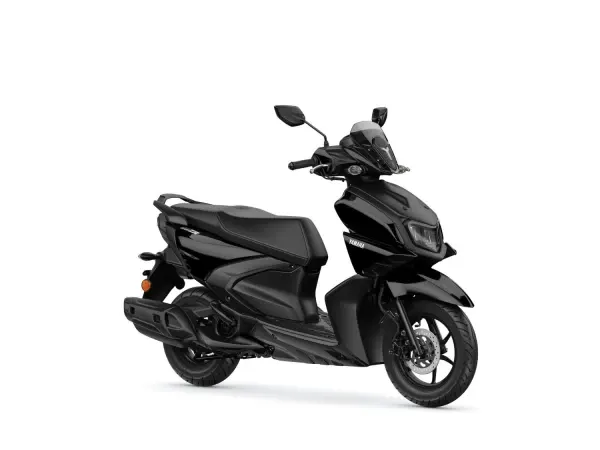
Comparable models
Also worth considering
Models in the same category and price range to consider alongside the Primavera 150 3V.

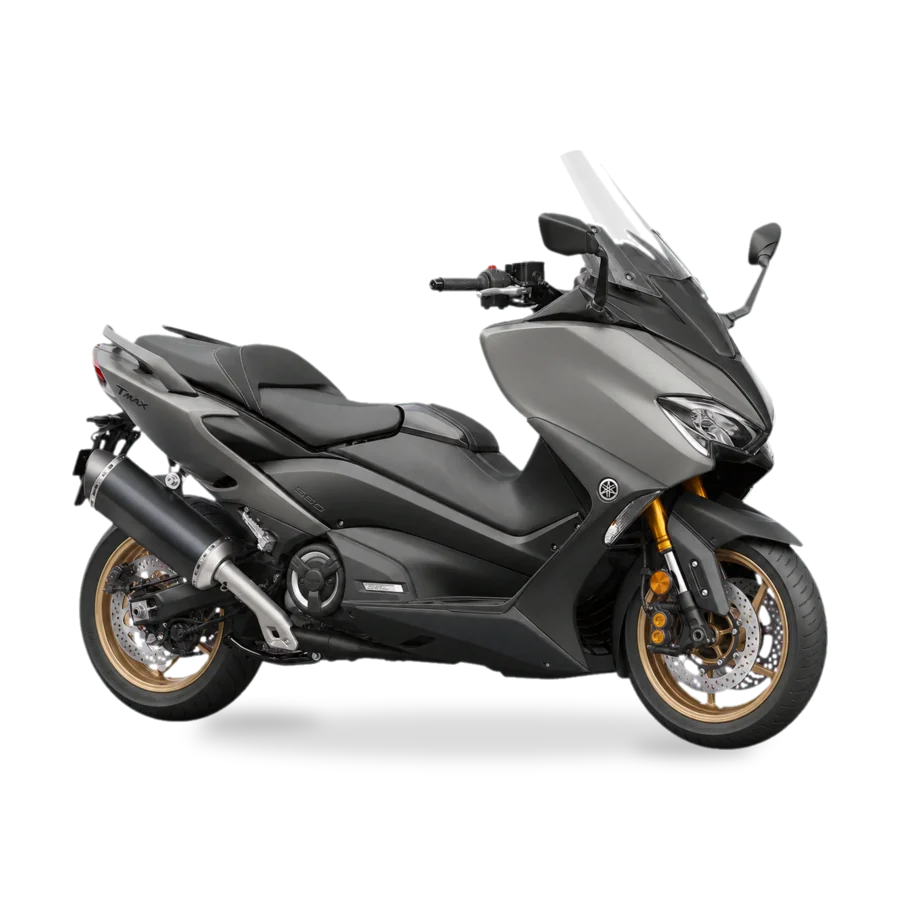


Generations and editions
Features and handling differ by generation. Use this overview to find the right version.
1 variants
Years
2013 - 2016
2013-2016 Primavera 150 3V
GenerationThe early modern Primavera 150 with air-cooled three-valve engine. Verify engine code and emissions version before comparing parts with later i-get models.
155 cc13 hp1 cyl.A2 suitable
About this model
About the Vespa Primavera 150 3V
The Vespa Primavera 150 3V is the modern steel-bodied Primavera with Piaggio's air-cooled three-valve 150cc four-stroke. It belongs to the first modern Primavera generation and combines classic bodywork with automatic CVT and more open-road reserve than a 50 or 125. Verify engine code and year because later i-get/Euro versions differ technically.
On a used Primavera 150, documented oil, belt and roller service is essential. It should start cleanly, pull away without vibration and brake stably. Inspect steel bodywork, forks, tyres, battery and body-panel fixings, especially on scooters parked frequently in the city.
- Category
- Scooter
- Production
- 2013 – 2016
- Power
- 13 hp
Before you buy
What to check before buying
- Check belt, rollers, clutch and CVT for service; the road test should be free of slip, vibration or rev flare.
- Check oil services, valve clearance and engine code to distinguish the 3V from later i-get versions.
- Inspect steel monocoque, floor, panels, forks and steering-head bearings for corrosion, damage and stable handling.
- Test brakes, tyres, battery, charging voltage, lights and any ABS equipment for the actual version.