
AI

Vespa
150 Cosa
Scooter · 150 cc
- Engine
- 150 cc
- Power
- 11 hp
- Weight
- 115 kg
This text was partly made with AI and may contain errors.
What should you pay for a 150 Cosa?
See typical prices, price changes and important differences.
Not enough prices for a useful guide yet
- Typical asking price
- —
- Current prices compared
- 0
This is a guide based on asking prices, not confirmed sale prices.
Asking prices
—typical asking price
We are still collecting prices. The trend appears when we have enough months.
Model family
150 Cosa at a glance
Quick reference values. Model year, generation and trim can differ.
Displacement
150 cc
Power
11 hp · 8 kW
Torque
13 Nm
Category
Scooter
Specifications
- Displacement
- 150 cc
- Power
- 11 hp · 8 kW
- Torque
- 13 Nm
- Weight
- 115 kg
- Seat height
- 775 mm
- Fuel capacity
- 8 l
- Top speed
- 95 km/h
- Production
- 1988 – 1991
- Category
- Scooter
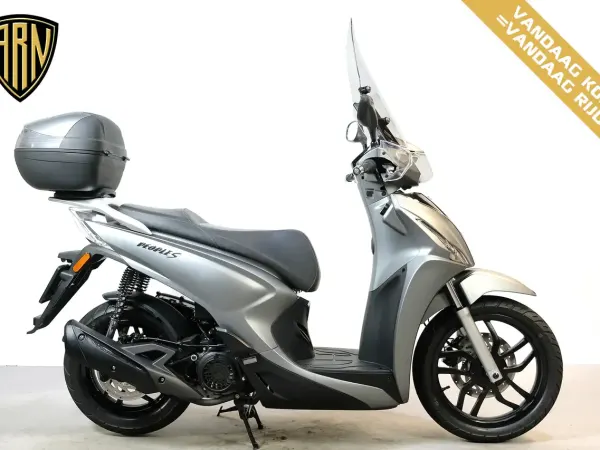
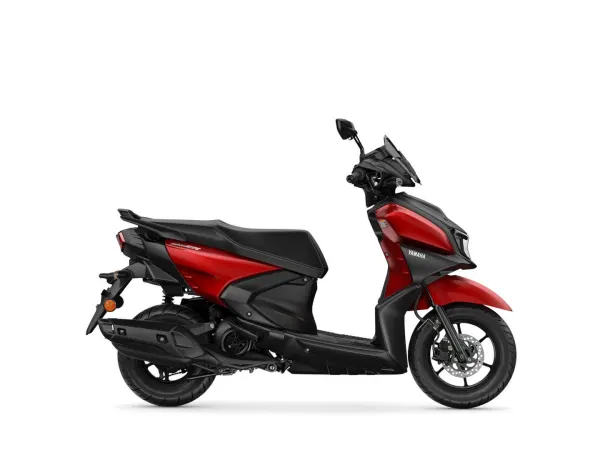
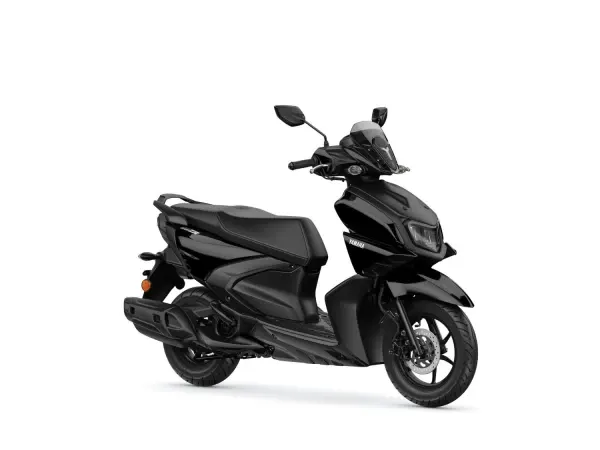
Comparable models
Also worth considering
Models in the same category and price range to consider alongside the 150 Cosa.

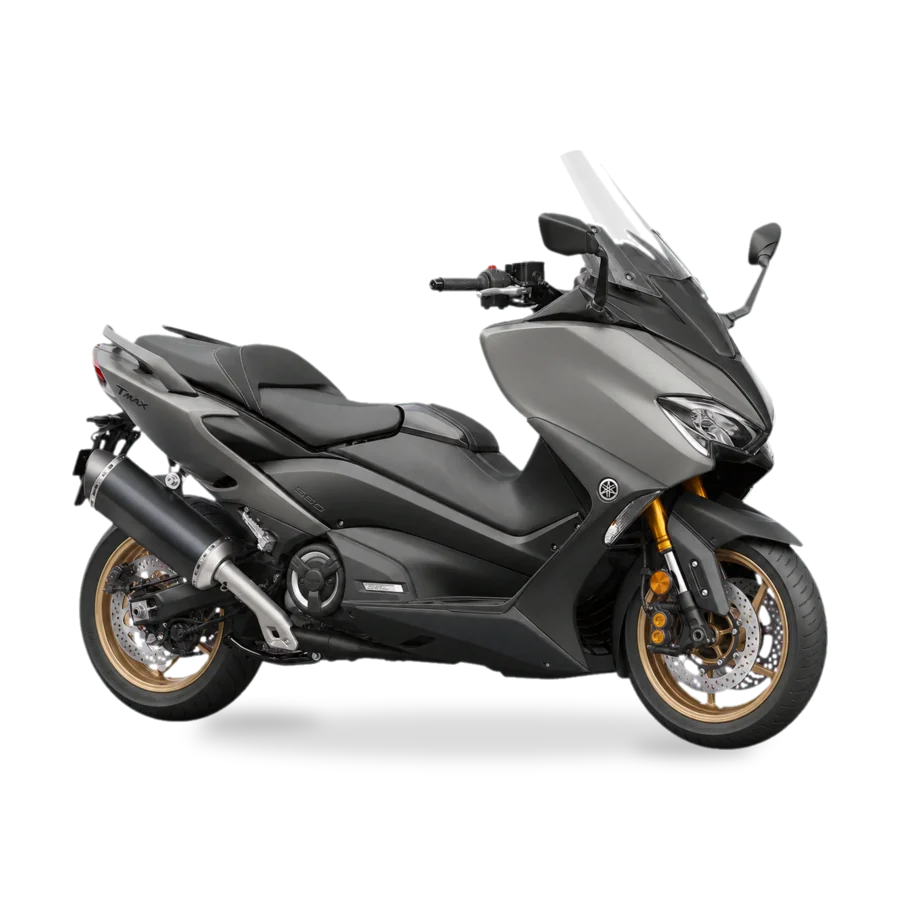


Generations and editions
Features and handling differ by generation. Use this overview to find the right version.
1 variants
Years
1988 - 1991
1988–1991 Cosa 150
Generation150cc manual Cosa with steel monocoque and more useful secondary-road performance than the 125. Body rust, brakes and correct controls determine quality.
150 cc11 hp1 cyl.A2 suitable
About this model
About the Vespa 150 Cosa
The Vespa 150 Cosa is the more powerful version of Piaggio's angular late-1980s and early-1990s Cosa series. It combines the steel monocoque body and manual shifting of a classic Vespa with a 150cc two-stroke and more modern brakes than older PX generations. The extra capacity makes it more suitable for secondary roads without losing classic character.
Buy a 150 Cosa on bodywork, brakes and complete mechanical condition. Inspect rust in the monocoque thoroughly, test every gear and check carburettor, cables and hydraulic brakes. The Cosa is less universally loved than a PX, but an original well-kept 150 can be a very usable classic. Avoid scooters with ill-fitting panels, unclear restorations or an engine that runs poorly when warm.
- Category
- Scooter
- Production
- 1988 – 1991
- Power
- 11 hp
- Weight
- 115 kg
Before you buy
What to check before buying
- Inspect floor, tunnel, underside and wheel arches for rust and poor repair work.
- Check carburettor, fuel tap, oil system and engine compression for leaks and warm running.
- Test shifting, clutch and gear cables for correct adjustment and full gear selection.
- Check brakes and hydraulic components for leaks, seizure and adequate braking force.
- Match frame number to documents and look for complete Cosa-specific body and control parts.