
AI

Vespa
125 Cosa
Scooter · 123 cc
- Engine
- 123 cc
- Power
- 9 hp
- Weight
- 112 kg
This text was partly made with AI and may contain errors.
What should you pay for a 125 Cosa?
See typical prices, price changes and important differences.
Not enough prices for a useful guide yet
- Typical asking price
- —
- Current prices compared
- 0
This is a guide based on asking prices, not confirmed sale prices.
Asking prices
—typical asking price
We are still collecting prices. The trend appears when we have enough months.
Model family
125 Cosa at a glance
Quick reference values. Model year, generation and trim can differ.
Displacement
123 cc
Power
9 hp · 7 kW
Torque
10 Nm
Category
Scooter
Specifications
- Displacement
- 123 cc
- Power
- 9 hp · 7 kW
- Torque
- 10 Nm
- Weight
- 112 kg
- Seat height
- 775 mm
- Fuel capacity
- 8 l
- Top speed
- 90 km/h
- Production
- 1988 – 1991
- Category
- Scooter
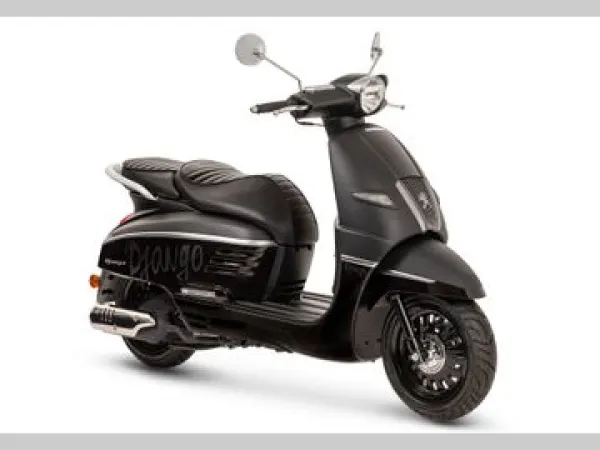
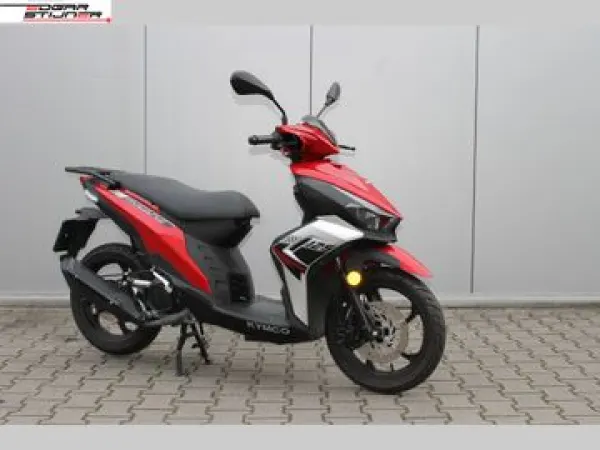
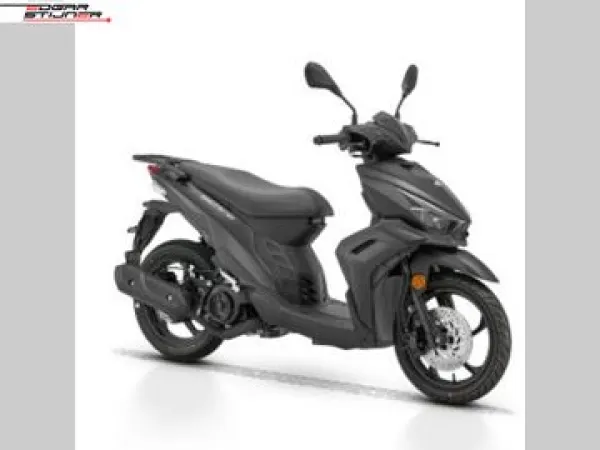
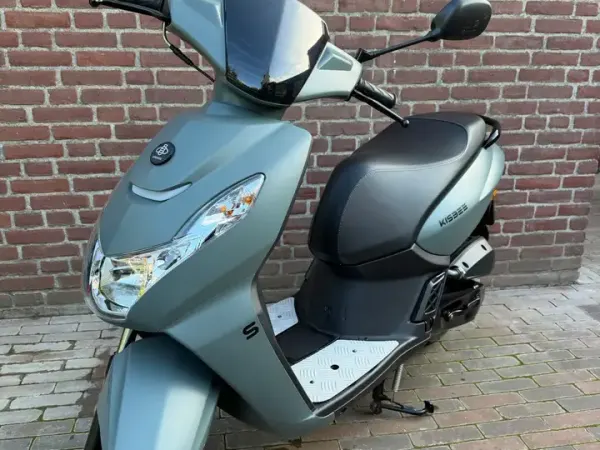
Comparable models
Also worth considering
Models in the same category and price range to consider alongside the 125 Cosa.

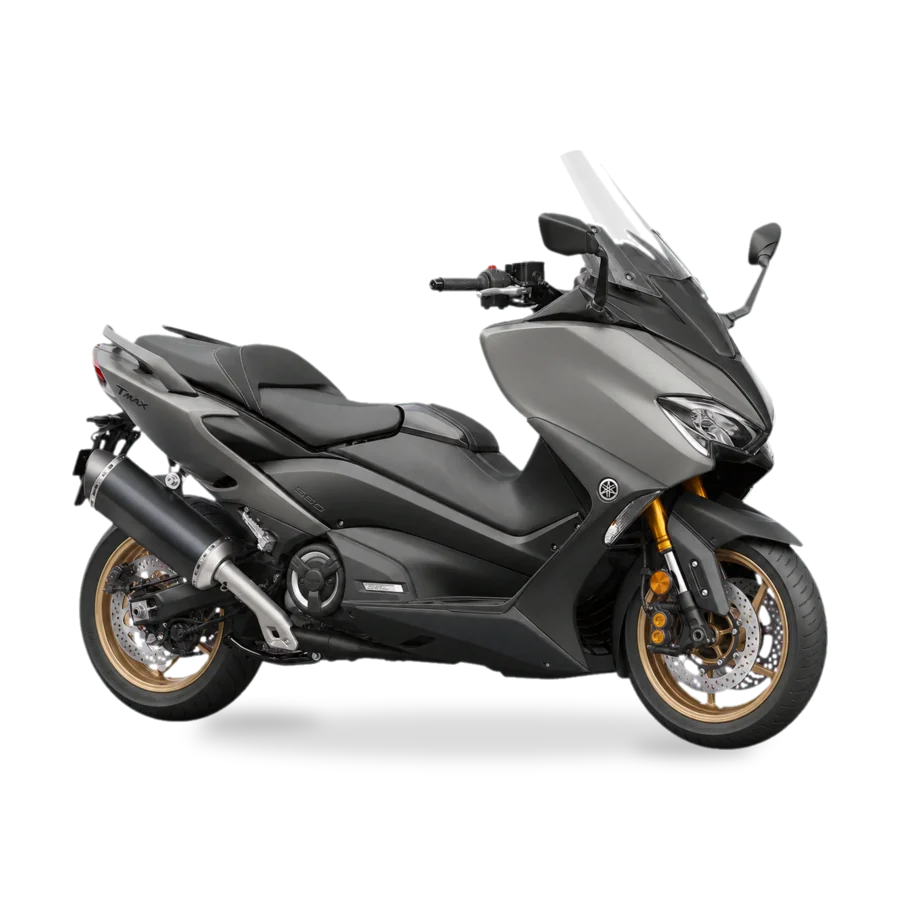


Generations and editions
Features and handling differ by generation. Use this overview to find the right version.
1 variants
Years
1988 - 1991
1988–1991 Cosa 125
GenerationAngular 123cc manual two-stroke Vespa with steel monocoque. A classic choice where body rust, brakes and cable operation are the key buying points.
123 cc9 hp1 cyl.A2 suitable
About this model
About the Vespa 125 Cosa
The Vespa 125 Cosa is the angular successor to the classic PX line, built in the late 1980s and early 1990s. It retains the steel monocoque body, manual gearbox and two-stroke character of a traditional Vespa, while adding more modern brakes, different bodywork and extra practicality.
The Cosa appeals to riders who want classic Vespa engineering without the exact PX appearance. A good purchase is about bodywork, brakes and engine condition: rust in the steel monocoque matters more than superficial paint, and a poorly adjusted carburettor or worn shift cables makes it less pleasant. Prefer a complete, unmodified scooter with clear service history and correct documents.
- Category
- Scooter
- Production
- 1988 – 1991
- Power
- 9 hp
- Weight
- 112 kg
Before you buy
What to check before buying
- Inspect floorboard, tunnel, underside and mudguard for rust, poor welding repairs and filler.
- Check carburettor, fuel tap and two-stroke lubrication for stable running and leaks.
- Test manual shift, clutch and gear cables for light action and full gear selection.
- Check brakes, hydraulic parts where fitted and tyres for age and operation.
- Match frame and engine numbers to registration documents and look for complete Cosa-specific body panels.