
AI

Suzuki
GT 50
Classic · 49 cc
- Engine
- 49 cc
- Power
- 7 hp
This text was partly made with AI and may contain errors.
What should you pay for a GT 50?
See typical prices, price changes and important differences.
Not enough prices for a useful guide yet
- Typical asking price
- —
- Current prices compared
- 0
This is a guide based on asking prices, not confirmed sale prices.
Asking prices
—typical asking price
We are still collecting prices. The trend appears when we have enough months.
Model family
GT 50 at a glance
Quick reference values. Model year, generation and trim can differ.
Displacement
49 cc
Power
7 hp · 5 kW
Category
Classic
Specifications
- Displacement
- 49 cc
- Power
- 7 hp · 5 kW
- Production
- 1977 – present
- Category
- Classic
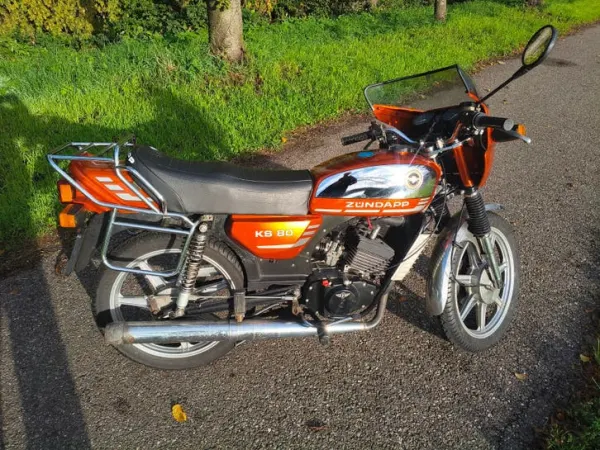
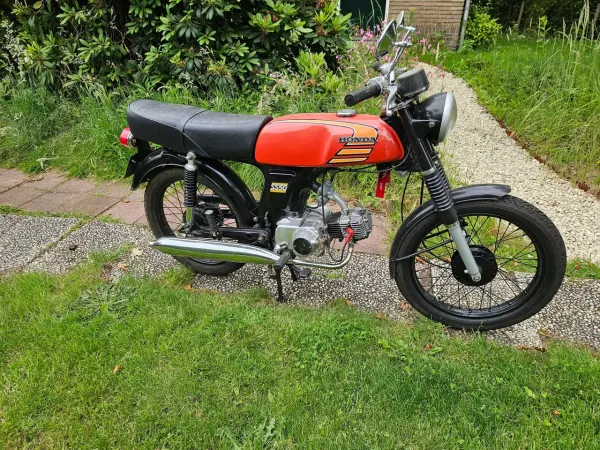
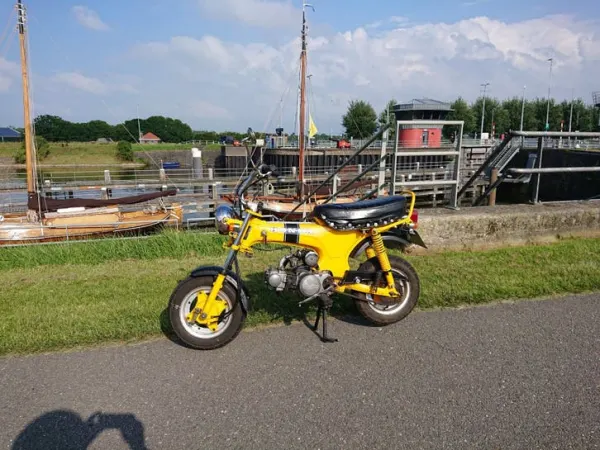
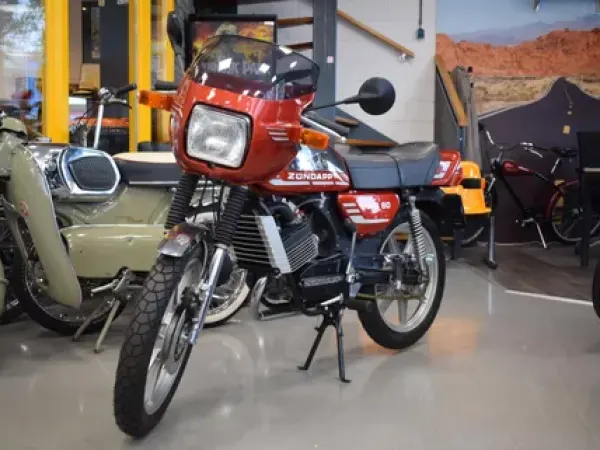
Comparable models
Also worth considering
Models in the same category and price range to consider alongside the GT 50.

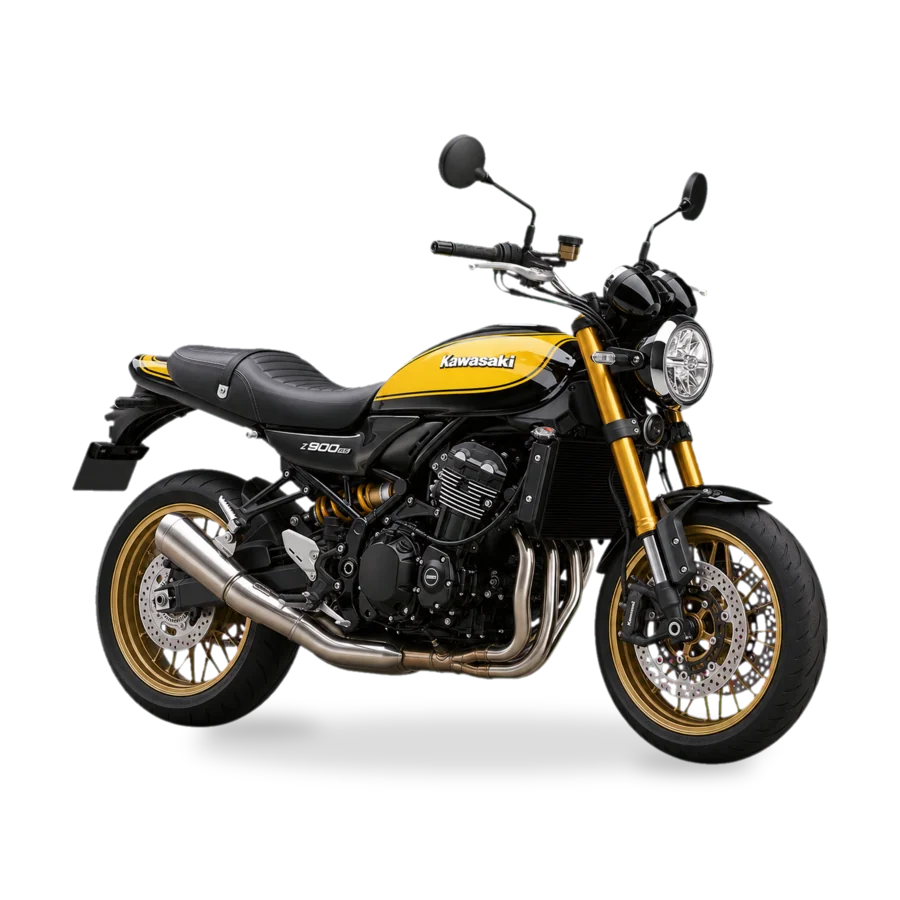


Generations and editions
Features and handling differ by generation. Use this overview to find the right version.
2 variants
Years
1980 - 1980
1980 RG50E / GT50
GenerationThe RG50E is Suzuki's documented 1980 development with a sharper front end and higher quoted output. Use this row only where the model year or designation supports the E version; earlier GT50/RG50 adverts belong to the preceding generation.
49 cc7 hp1 cyl.
Years
1977 - 1979
1977–1979 RG50 / GT50
GenerationThe original air-cooled RG50 underpins the GT50 naming used in several European catalogues. It has a 49cc single-cylinder two-stroke, five-speed transmission, 17-inch wheels and low dry weight; engine code and model year matter more than the name alone.
49 cc6 hp1 cyl.
About this model
About the Suzuki GT 50
Suzuki GT50 is a European catalogue name within the small Suzuki RG50/GT50/ZR50 family. It is a light 50cc geared motorcycle with an air-cooled single-cylinder two-stroke engine, five-speed gearbox and 17-inch wheels, not a scooter. Suzuki's Digital Library documents the related RG50 from 1977 and the more powerful RG50E from 1980.
- Category
- Classic
- Production
- 1977 – present
- Power
- 7 hp
Before you buy
What to check before buying
- Check compression, starting and throttle response; cylinder, piston and crank bearings are critical on an older two-stroke.
- Confirm that the oil-injection system is present and correctly adjusted; a bypassed or faulty oil pump can damage the engine.
- Inspect the tank, tap and carburettor for rust, contamination and leaks after storage.
- Inspect the frame, wheels, spokes and wiring carefully for corrosion, damage and non-original repairs.