AI

Kawasaki
KDX 250
Enduro · 249 cc
- Engine
- 249 cc
- Power
- 35 hp
- Weight
- 132 kg
This text was partly made with AI and may contain errors.
What should you pay for a KDX 250?
See typical prices, price changes and important differences.
Not enough prices for a useful guide yet
- Typical asking price
- —
- Current prices compared
- 0
This is a guide based on asking prices, not confirmed sale prices.
Asking prices
—typical asking price
We are still collecting prices. The trend appears when we have enough months.
Model family
KDX 250 at a glance
Quick reference values. Model year, generation and trim can differ.
Displacement
249 cc
Power
35 hp · 26 kW
Category
Enduro
Specifications
- Displacement
- 249 cc
- Power
- 35 hp · 26 kW
- Weight
- 132 kg
- Seat height
- 915 mm
- Fuel capacity
- 11 l
- Production
- 1991 – 1995
- Category
- Enduro
Search results
0 results for Kawasaki KDX 250
Similar motorcycles
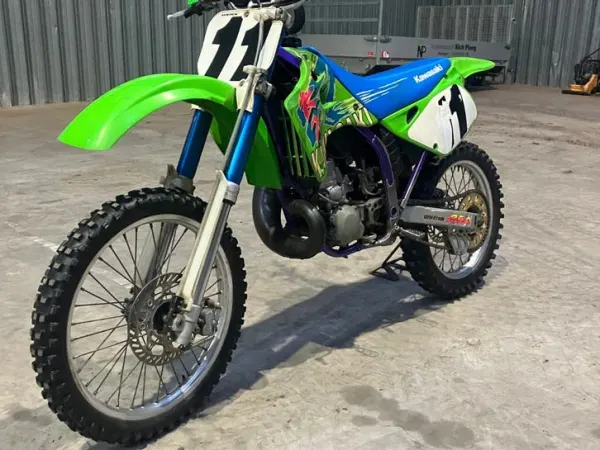
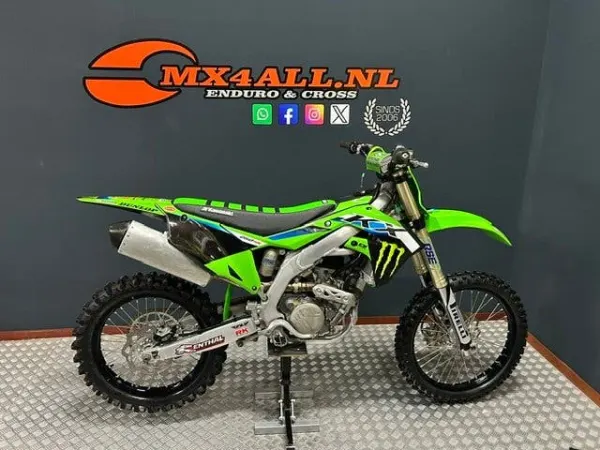
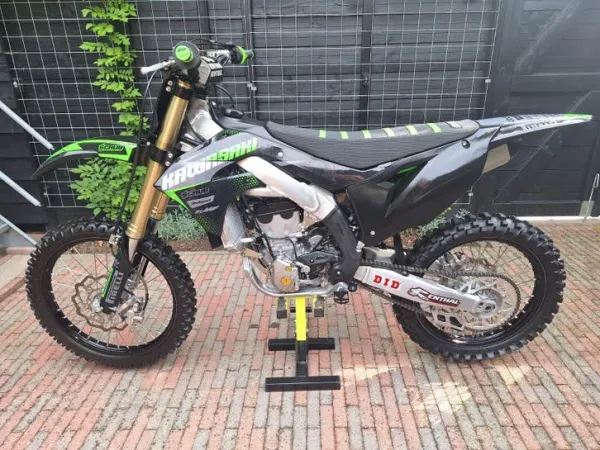
Comparable models
Also worth considering
Models in the same category and price range to consider alongside the KDX 250.



Generations and editions
Features and handling differ by generation. Use this overview to find the right version.
2 variants
Years
1991 - 1995
1991–1995 KDX250R
GenerationThe KDX250R is the liquid-cooled 249cc two-stroke enduro from the D/E period, with KIPS and long-travel suspension. Model year and the R designation are needed to distinguish it from earlier KDX250s and the SR.
249 cc35 hp1 cyl.
Years
1991 - 1994
1991–1994 KDX250SR
EditionThe KDX250SR is the Japanese road-legal derivative of the KDX250R, with a balancer and wider-ratio gearbox. Match it only with an explicit SR designation or verifiable model code.
249 cc39 hp1 cyl.
About this model
About the Kawasaki KDX 250
Kawasaki used the KDX 250 name for several off-road generations. This profile focuses on the RDW-supported KDX250R period from 1991: a 249cc liquid-cooled two-stroke enduro with the KIPS exhaust valve and long-travel suspension. The KDX250SR is the Japanese road-going version with different, more road-oriented homologation. Older air-cooled KDX250 models are not interchangeable with this generation without a model code or reliable source evidence.
The KDX250R suits riders seeking a light classic enduro with a lively two-stroke engine. It rewards correct maintenance, but is not a carefree modern trail bike: oiling, carburation, cooling and the KIPS mechanism determine how well it starts and runs. When buying, frame and engine numbers, original enduro equipment and availability of model-specific plastics and engine parts matter at least as much as mileage.
- Category
- Enduro
- Production
- 1991 – 1995
- Power
- 35 hp
- Weight
- 132 kg
Before you buy
What to check before buying
- Inspect the cylinder, piston, compression and cold start; ask for documented rebuild or piston history rather than relying on stated mileage.
- Check the KIPS exhaust valve and its actuation for carbon build-up, sticking or uneven power delivery; dismantle it only according to the workshop manual.
- Inspect radiators, hoses, water pump and coolant for leaks or corrosion, and look for overheating evidence around the cylinder and head gasket.
- Check fork tubes, shock, linkage bearings, swingarm and wheel/head bearings for play after off-road use.
- Compare frame and engine numbers with the paperwork and watch for missing lighting, unapproved modifications or worn plastics that can be difficult to replace.