AI
Kawasaki
A1 Samurai
Classic · 247 cc
- Engine
- 247 cc
- Power
- 31 hp
This text was partly made with AI and may contain errors.
What should you pay for a A1 Samurai?
See typical prices, price changes and important differences.
Not enough prices for a useful guide yet
- Typical asking price
- —
- Current prices compared
- 0
This is a guide based on asking prices, not confirmed sale prices.
Asking prices
—typical asking price
We are still collecting prices. The trend appears when we have enough months.
Model family
A1 Samurai at a glance
Quick reference values. Model year, generation and trim can differ.
Displacement
247 cc
Power
31 hp · 23 kW
Category
Classic
Specifications
- Displacement
- 247 cc
- Power
- 31 hp · 23 kW
- Cylinders
- 2 cyl.
- Production
- 1967 – 1971
- Category
- Classic
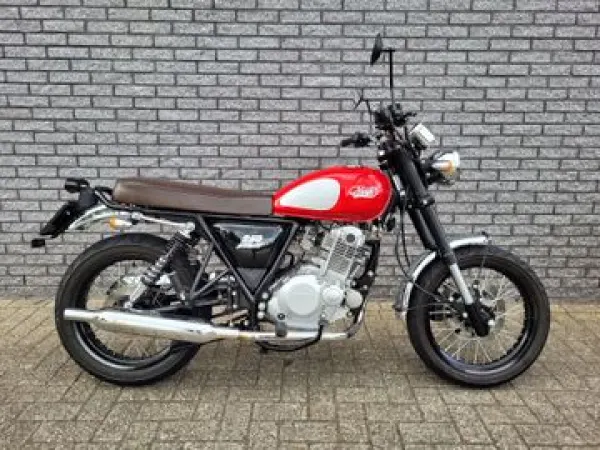
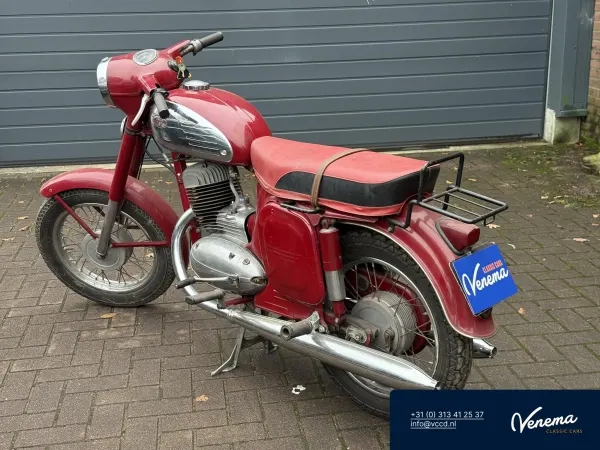
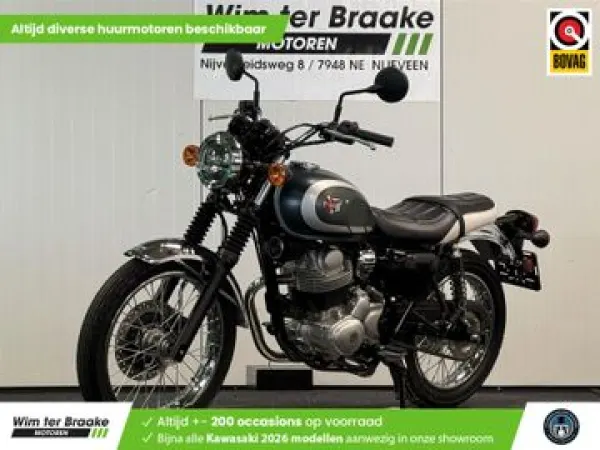
Comparable models
Also worth considering
Models in the same category and price range to consider alongside the A1 Samurai.


Generations and editions
Features and handling differ by generation. Use this overview to find the right version.
1 variants
Years
1967 - 1971
1967–1971 A1 Samurai
GenerationThe 247cc A1 Samurai production series. Air-cooled parallel twin with rotary inlet valves, kickstarting and five gears; verify individual market and road/scrambler equipment separately.
247 cc31 hp2 cyl.
About this model
About the Kawasaki A1 Samurai
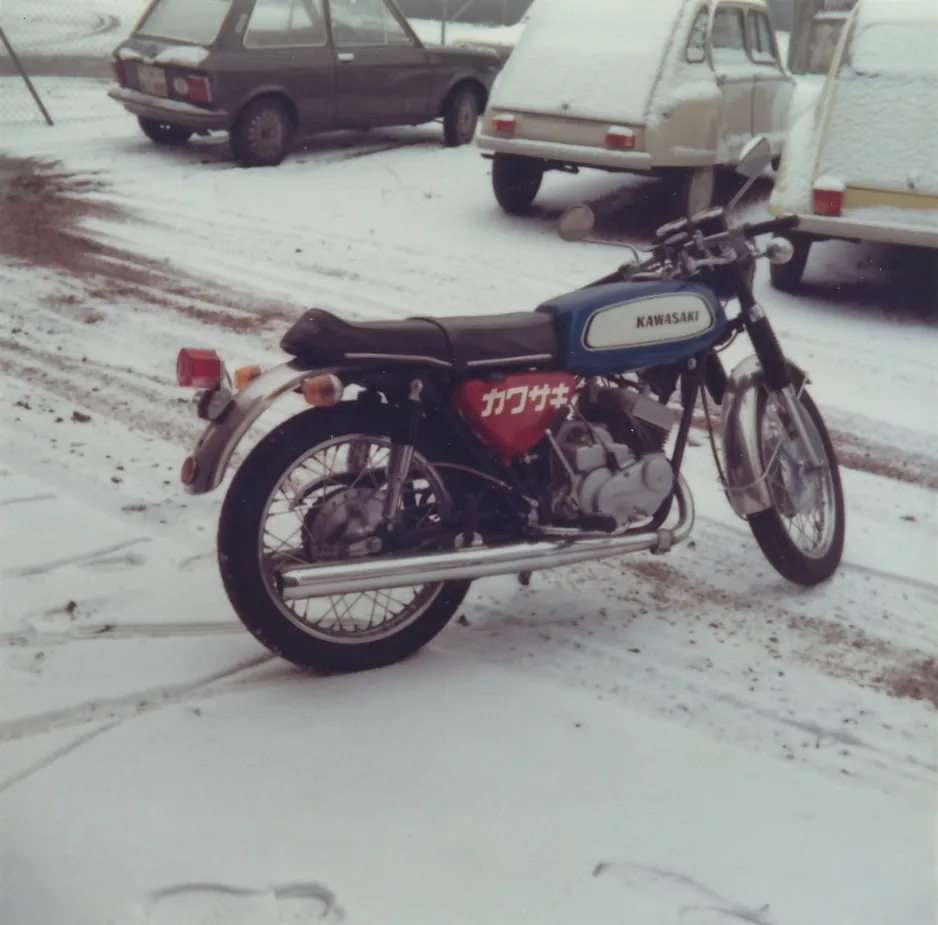
The Kawasaki A1 Samurai is a lightweight 250cc two-stroke twin from Kawasaki's early international breakthrough. Sold from 1967 through 1971, the Samurai combines an air-cooled parallel twin with rotary inlet valves, kickstarting and a five-speed gearbox. For a motorcycle of this era it is technically specific: originality of the engine, oiling system, carburettors and exhaust parts has a major effect on both reliability and value. The larger A7 Avenger shares part of the basic architecture but is a separate 338cc model; do not identify them by appearance alone.
- Category
- Classic
- Production
- 1967 – 1971
- Power
- 31 hp
Before you buy
What to check before buying
- Check the frame and engine numbers against the model year; period Kawasaki numbers do not always run in exact sequence.
- Have the oiling system, carburettors and ignition operation and adjustment checked before extended riding.
- Inspect cylinders, pistons, crankshaft bearings and exhausts for wear or signs of incorrect two-stroke oil adjustment.
- Check the condition and availability of original drum brakes, wheels, switches, instruments and exhaust parts; replacements can affect value.
- Look for corrosion in the tank, frame, spoked wheels and mountings, and document any restoration with photographs and invoices.