
AI
Honda
RS 500
Sport · 499 cc
- Engine
- 499 cc
- Power
- 125 hp
- Weight
- 115 kg
This text was partly made with AI and may contain errors.
What should you pay for a RS 500?
See typical prices, price changes and important differences.
Not enough prices for a useful guide yet
- Typical asking price
- —
- Current prices compared
- 0
This is a guide based on asking prices, not confirmed sale prices.
Asking prices
—typical asking price
We are still collecting prices. The trend appears when we have enough months.
Model family
RS 500 at a glance
Quick reference values. Model year, generation and trim can differ.
Displacement
499 cc
Power
125 hp · 92 kW
Category
Sport
Specifications
- Displacement
- 499 cc
- Power
- 125 hp · 92 kW
- Weight
- 115 kg
- Production
- 1983 – 1984
- Category
- Sport
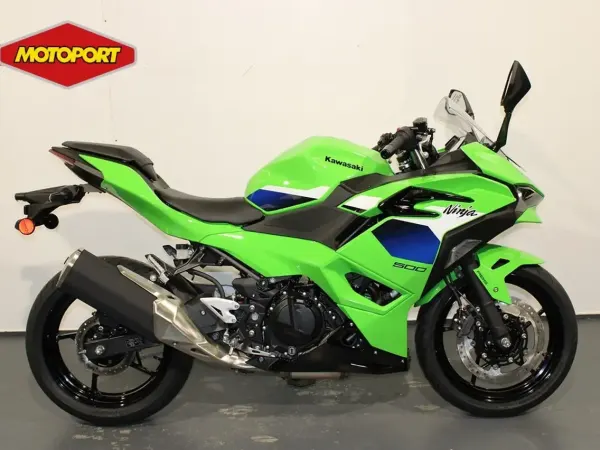
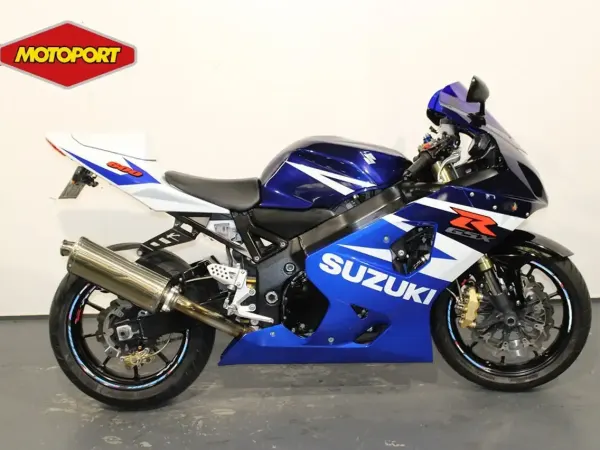
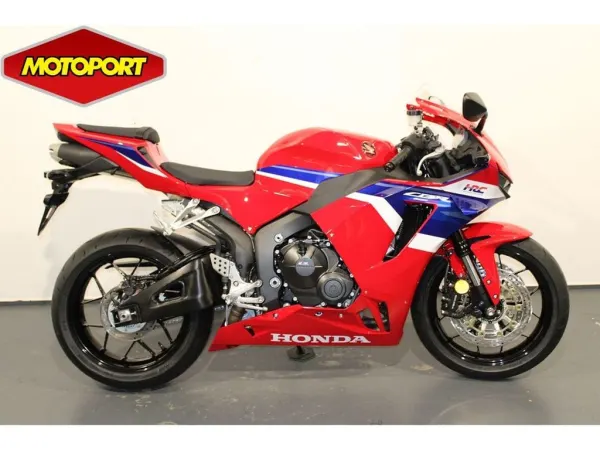
Comparable models
Also worth considering
Models in the same category and price range to consider alongside the RS 500.


Generations and editions
Features and handling differ by generation. Use this overview to find the right version.
1 variants
Years
1983 - 1984
RS500 V3 GP racer
GenerationThe customer RS500 uses a 499cc 90-degree reed-valve V3 two-stroke. This generation is relevant only to circuit and collector use, not normal road matching.
499 cc125 hp3 cyl.
About this model
About the Honda RS 500
The Honda RS500 is a customer racer for the mid-1980s 500cc Grand Prix class. Its liquid-cooled 499cc reed-valve V3 two-stroke was built for circuit use and has nothing in common with a road motorcycle: power arrives high in the rev range, gearbox and clutch are race-specific, and specialist knowledge is essential.
An RS500 is for a collector or historic racer with access to specialist maintenance. Inspect the frame, expansion chambers, crankshaft and cylinders for correct provenance and crash damage. Ask for engine-rebuild records, spares and documentation; a cosmetically complete bike without proven mechanical condition can cost far more than its purchase price suggests.
- Category
- Sport
- Production
- 1983 – 1984
- Power
- 125 hp
- Weight
- 115 kg
Before you buy
What to check before buying
- Check crankshaft, cylinders and pistons for rebuild invoices and measurement records; a race two-stroke requires specialist periodic work.
- Inspect aluminium frame, swingarm and welds for crash or repair evidence.
- Check expansion chambers, carburettors and reed housings for correct race parts and damage.
- Verify engine/frame numbers, provenance and included spares before buying.