
AI

Bimota
SB 5
Classic · 1,135 cc
- Engine
- 1,135 cc
This text was partly made with AI and may contain errors.
What should you pay for a SB 5?
See typical prices, price changes and important differences.
Not enough prices for a useful guide yet
- Typical asking price
- —
- Current prices compared
- 0
This is a guide based on asking prices, not confirmed sale prices.
Asking prices
—typical asking price
We are still collecting prices. The trend appears when we have enough months.
Model family
SB 5 at a glance
Quick reference values. Model year, generation and trim can differ.
Displacement
1,135 cc
Category
Classic
Specifications
- Displacement
- 1,135 cc
- Production
- 1985 – 1986
- Category
- Classic
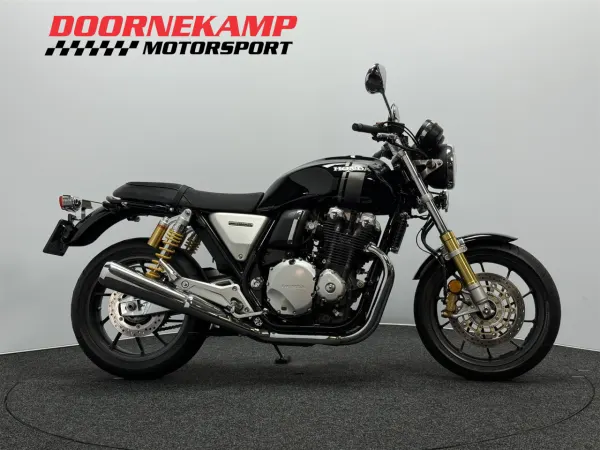
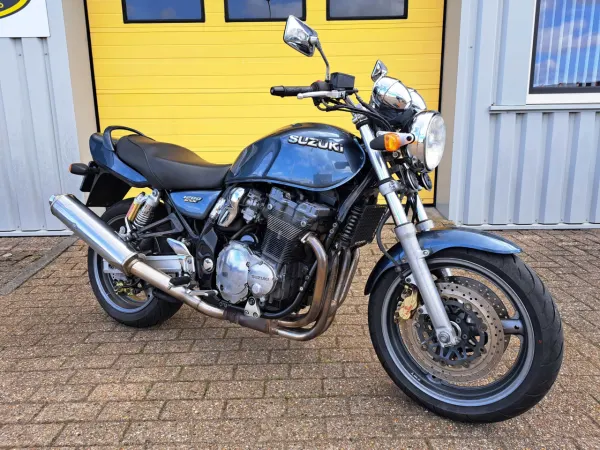
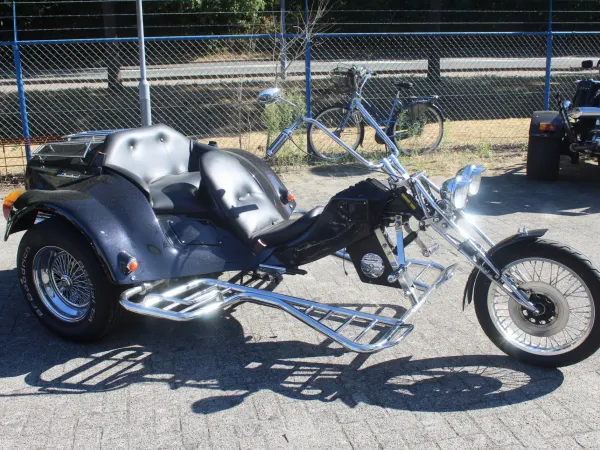
Comparable models
Also worth considering
Models in the same category and price range to consider alongside the SB 5.

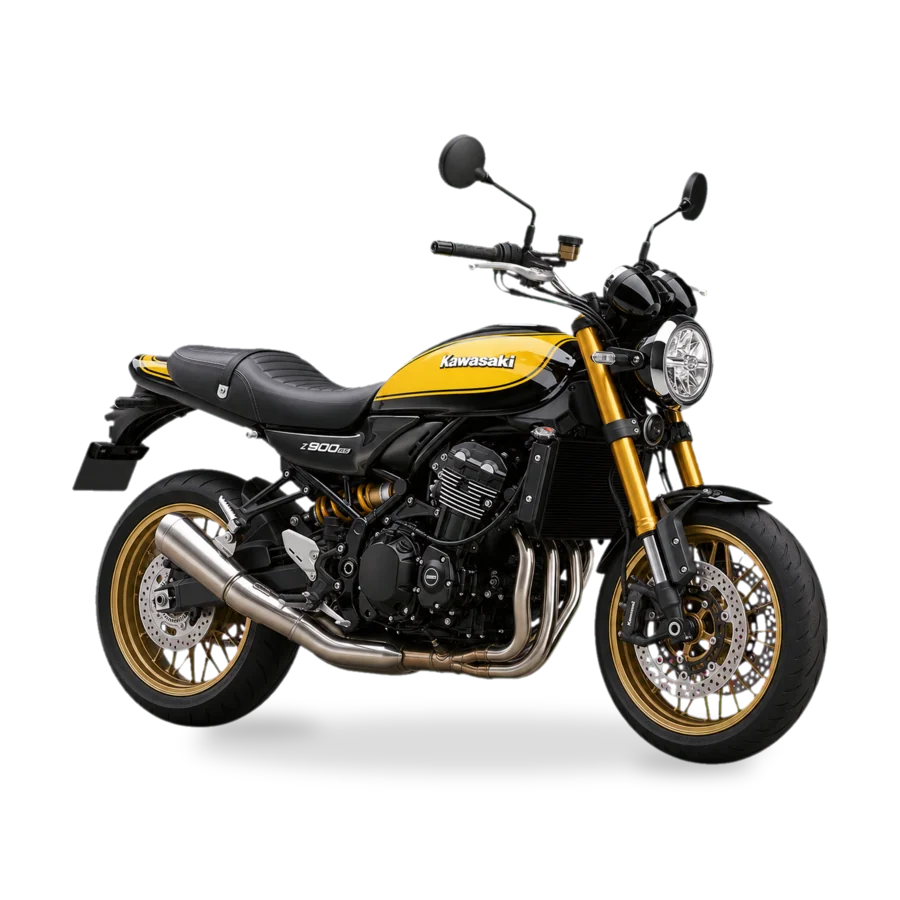


Generations and editions
Features and handling differ by generation. Use this overview to find the right version.
1 variants
Years
1985 - 1986
1985–1986 SB5 (GSX 1135)
GenerationThe fully faired, two-up SB5 with the 1,135cc Suzuki inline four from the GSX1100/GS1150 family. Keep it separate from the 1,075cc SB4 and the later GSX-R-powered SB6.
1135 cc4 cyl.
About this model
About the Bimota SB 5
The Bimota SB5 is the 1,135cc Suzuki-powered Bimota of 1985–1986. It uses an air/oil-cooled inline four from the Suzuki GSX1100/GS1150 family in Bimota's own frame, with chain drive and a fully faired two-up sports-GT layout. The SB5 is the larger successor within the early Suzuki-Bimota line, but is not an SB4 or SB6: on a historic motorcycle, always verify frame, engine and documentary numbers before identifying its specification or parts.
- Category
- Classic
- Production
- 1985 – 1986
Before you buy
What to check before buying
- Verify that engine and papers belong to an SB5 with Suzuki GSX1100EF basis. Check engine code and installation before attributing donor parts or technical values to the motorcycle.
- Inspect the full fairing, removable two-person seat and all mountings for completeness, cracks and non-original repairs. These SB5 body parts are model-specific, not standard Suzuki panels.
- Check frame, engine and fairing mountings for correct spacers, fasteners and signs of alteration. Any non-standard or incomplete assembly should be documented before purchase.