
AI

Bimota
SB 1
Classic · 500 cc
- Engine
- 500 cc
This text was partly made with AI and may contain errors.
What should you pay for a SB 1?
See typical prices, price changes and important differences.
Not enough prices for a useful guide yet
- Typical asking price
- —
- Current prices compared
- 0
This is a guide based on asking prices, not confirmed sale prices.
Asking prices
—typical asking price
We are still collecting prices. The trend appears when we have enough months.
Model family
SB 1 at a glance
Quick reference values. Model year, generation and trim can differ.
Displacement
500 cc
Category
Classic
Specifications
- Displacement
- 500 cc
- Production
- 1976 – 1980
- Category
- Classic
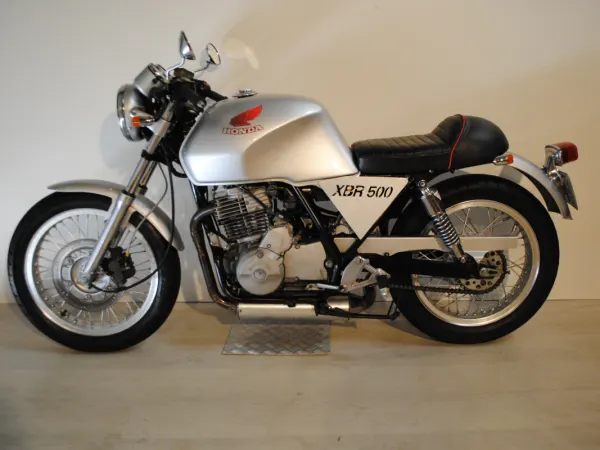
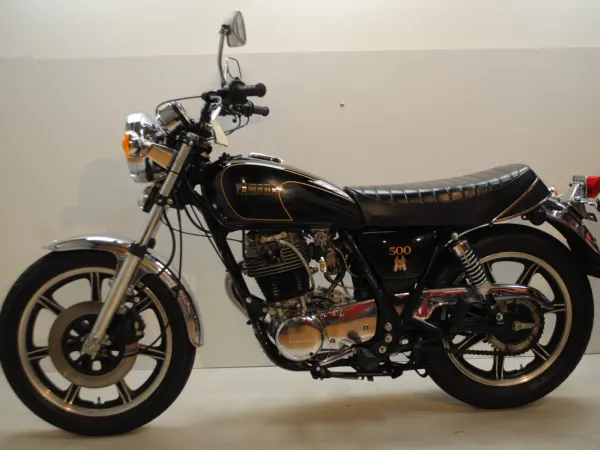
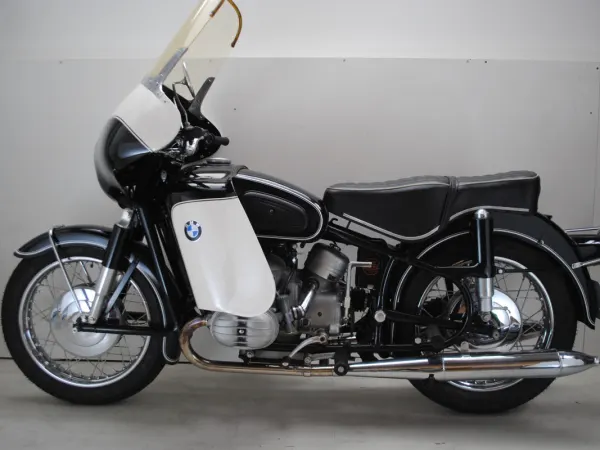

Comparable models
Also worth considering
Models in the same category and price range to consider alongside the SB 1.

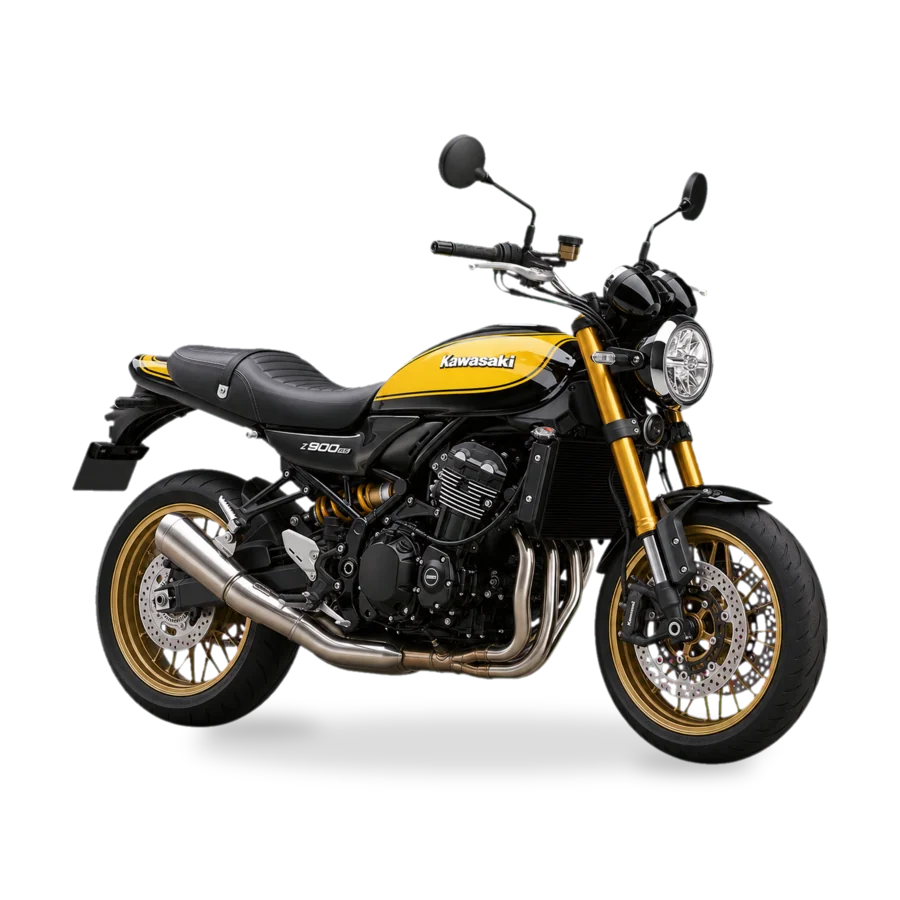


Generations and editions
Features and handling differ by generation. Use this overview to find the right version.
1 variants
Years
1976 - 1980
1976–1980 SB1 (TR500)
GenerationThe Suzuki TR500-powered two-stroke racing SB1 with Bimota chassis and coaxial swingarm pivot. Keep it strictly separate from the GS750 inline-four-powered SB2.
500 cc2 cyl.
About this model
About the Bimota SB 1
The Bimota SB1 is the first Suzuki-powered Bimota and a true racing motorcycle, developed on commission from Suzuki Italia. Its core is the liquid-cooled Suzuki TR500 two-stroke twin in Bimota's own chassis. The SB1 introduced Bimota's coaxial alignment of the drive-sprocket shaft and swingarm pivot, keeping chain tension constant through suspension travel. It belongs to the small 1976–1980 SB1 series and is emphatically not an SB2: that later machine uses the four-stroke Suzuki GS750 inline four. On any historic racer, verify frame, engine and provenance, because configuration and original racing parts determine its exact specification and value.
- Category
- Classic
- Production
- 1976 – 1980
Before you buy
What to check before buying
- Verify SB1 identity and its Suzuki TR500 racing basis through frame number, engine provenance and historic documentation. It was a small racing series built for Suzuki Italia, so the model name alone is not proof.
- Check the coaxial swingarm pivot for play, cracks and correct assembly. It is a defining SB1 design detail and affects chain line and handling.
- Inspect the linkage monoshock, bearings and mountings for free movement and documented service. The SB1 was an early application of this arrangement, so replacement parts or modifications should be traceable.